
24/7 Customer Support

Free returns

Same-day & Next-day Delivery

Quality Guaranteed

Unlock Your Welcome Offers: FREE Delivery | Up to 80% OFF | Free 30-day JoyPlus trial
Download the APP
Navigating the world of child car seats can feel overwhelming. With regulations to understand, different types to consider and your child's safety as the top priority, making the right choice is crucial. As your child grows out of their toddler car seat, a booster car seat becomes the next essential step to ensure they travel safely and comfortably.
This guide is designed to simplify the process. We will walk you through the key considerations for selecting a booster seat in the UK and share some of our top recommendations for 2026 to help you find a suitable option for your family's needs.
Before looking at specific models, understanding a few key features will help you narrow down your search and make a more informed decision.
You will notice two main safety standards on the market: ECE R44/04 and the newer R129 (i-Size).
How the seat connects to your vehicle is another important factor.
For children moving into this stage, a high back booster seat is widely recommended. It provides crucial side-impact protection for the head and torso and includes belt guides that ensure the vehicle's seat belt is correctly positioned over your child's shoulder and pelvis. This is particularly important for a car seat for 4 year old children who are just transitioning into a booster. Backless boosters are more compact but offer less protection.
Here are a few standout options that cater to different needs, from portability to long-term use.

Why It Stands Out: This backless booster is all about convenience and portability. Weighing less than 1kg, it’s incredibly easy to move between cars, making it an excellent choice for school runs, travel or as a spare for grandparents.
Pros:
Who is it for?

Why It Stands Out: This seat combines the latest R129 i-Size safety standard with the ease of ISOFIX installation. It’s a modern high back booster seat designed for parents who prioritise advanced safety features and a secure fit.
Pros:
Who is it for?
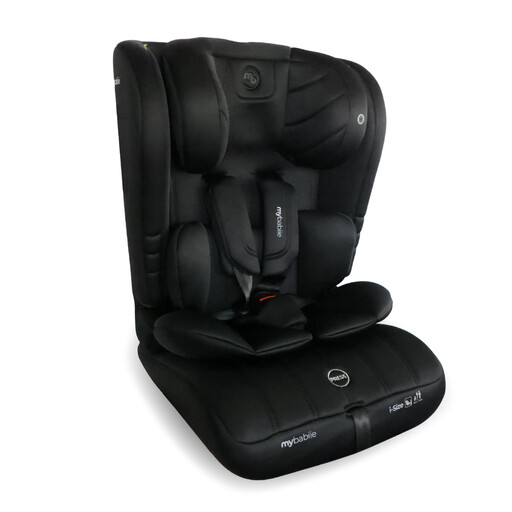
Why It Stands Out: Offering exceptional longevity, this combination car seat is a true investment. It functions as a harnessed toddler car seat from 9 months and then converts into a high back booster seat, serving your child for over a decade.
Pros:
Who is it for?
If these recommendations aren't quite what you're looking for, or if you'd like to see different styles and features, you can browse our full collection of car seats to find the perfect match for your vehicle and family.
Under current UK law, backless booster seats can only be used for children weighing more than 22kg (approximately 6-7 years old) and taller than 125cm. For younger or smaller children, a high back booster seat is required to ensure the seat belt fits correctly and to provide necessary side-impact protection.
The primary difference is the way they are classified and tested. A Group 2/3 car seat is based on the older R44 regulation and is approved for children weighing between 15kg and 36kg. An R129 car seat is approved based on a child's height (e.g., 100-150cm) and must pass more stringent side-impact tests, making it a more modern safety standard.
The best way to ensure a fit is to check the car seat manufacturer's vehicle compatibility list, which is usually available on their website. For ISOFIX car seats, you should also confirm that your car has ISOFIX anchor points, which are standard in most cars manufactured since 2006. For seats installed with a seat belt, compatibility is generally universal, but it's always wise to check for a secure and stable fit before use.