
24/7 全天候客户支持

免费退货

当日/次日达

品质保障

开启新人专享福利: 全场免邮 | 低至 2 折 | 免费试用 30 天 JoyPlus 会员
下载 Joybuy
A brightening toner can make a useful middle step between cleansing and moisturising, but choosing one is not simply a matter of finding the highest percentage on the front label. UK shoppers are often comparing products for dullness, dryness, uneven tone, dark spots and sensitivity, while marketing language can make very different formulas appear interchangeable.
The right choice depends on the ingredients your skin can tolerate, the level of hydration required and how easily the toner fits into your existing routine. Here is how to compare the options without paying for features you may not use.
A toner may help skin look fresher by adding water, smoothing surface dryness or supporting a more even-looking complexion. However, cosmetic products should not be treated as guaranteed solutions for pigmentation, acne marks or age-related changes. Claims such as “instant correction” or fixed-day results should be read as marketing language rather than a promise for every user.
Ingredients including niacinamide, vitamin C derivatives, glutathione, arbutin and gentle exfoliants appear in many brightening formulas, but the overall formula and your regular use matter more than one headline ingredient.
“Vitamin C toner” can refer to several different ingredients, including ascorbyl glucoside, sodium ascorbyl phosphate or 3-O-ethyl ascorbic acid. These are not identical in formulation or skin feel. Some products also include fragrance, citrus oils or exfoliating acids, which may not suit reactive skin.
Check the complete ingredient list, especially if you already use retinoids, AHA, BHA or prescription skincare. Introduce one new product at a time and patch test before applying it widely.
A milky or oil-containing toner can be comfortable for dry skin, but may feel too rich for oily or acne-prone users. Conversely, a watery toner with humectants may feel refreshing but may not provide enough lasting comfort in cold, centrally heated UK homes.
Look beyond phrases such as “deep hydration”. Check for practical ingredients such as glycerin, panthenol, beta-glucan, ceramides, sodium PCA and hyaluronic acid, then consider whether you will apply a moisturiser afterwards.
For a toner for dull skin or a toner for dark spots, niacinamide and vitamin C derivatives are common options. Niacinamide may also support the appearance of an even complexion and help maintain a comfortable skin feel. Products with PHA, salicylic acid or willow bark add a surface-refining function, but should be introduced cautiously if your routine already contains exfoliants.
A niacinamide toner is not automatically more effective than a simpler formula. A lower-complexity product may be easier to use consistently, particularly for sensitive skin.
If your main concern is tightness or dehydration, prioritise a hydrating toner, hyaluronic acid toner or barrier repair toner. Hyaluronic acid attracts water to the skin’s surface, while glycerin and panthenol are also widely used moisturising ingredients. Ceramide NP, lecithin and cholesterol are commonly included in formulas designed to complement the skin barrier.
For dry skin, a toner should usually be followed with a moisturiser to help reduce water loss. Applying it to slightly damp skin may improve comfort, although it does not replace a cream or lotion.
Compare bottle size as well as price. A 400ml toner may offer practical value for twice-daily use, while a 120–150ml mist or treatment-style toner may be more convenient for travel or occasional application.
Also check whether the product contains fragrance, essential oils, alcohol denat. or exfoliating acids. These ingredients are not unsuitable for everyone, but they are important considerations when selecting a toner for sensitive skin.
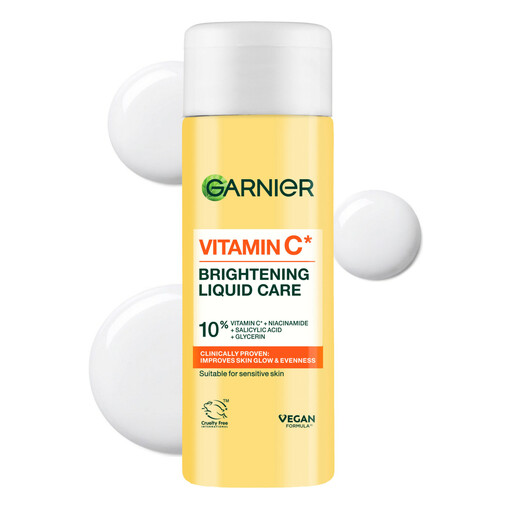
Why This Fits Their Persona: A straightforward daily option for shoppers starting a brightening routine without choosing a large multi-active formula.
The formula lists vitamin C derivative, niacinamide, salicylic acid and 10% glycerin, making the ingredient purpose clearer than a vague “glow” label. It does contain fragrance, so sensitive users should patch test.
Light liquid texture; combines humectant hydration with tone-focused ingredients in a 120ml bottle.
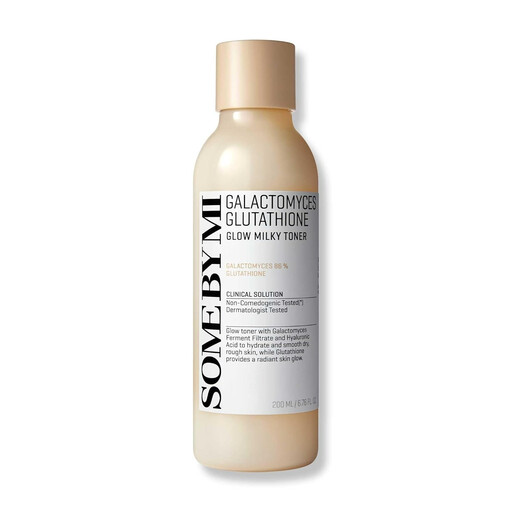
Why This Fits Their Persona: Suits shoppers wanting a more nourishing Korean brightening toner for dry, dull or uneven-looking skin.
Its milky texture signals a more conditioning step rather than a plain water-like toner. The ingredient list includes niacinamide, panthenol, hydrolysed hyaluronic acid and ceramide NP.
200ml size; contains galactomyces ferment filtrate and barrier-supporting ingredients without artificial fragrance listed in the supplied product information.
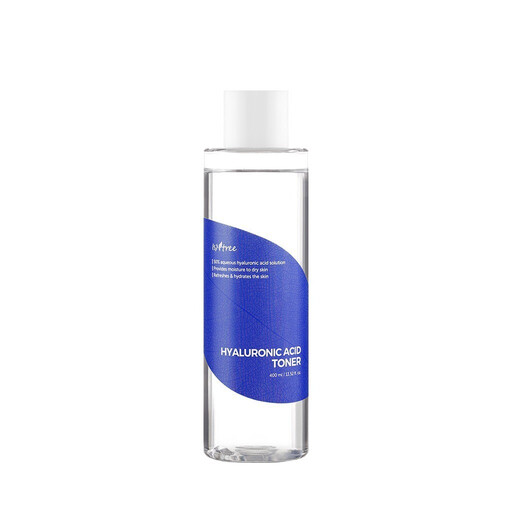
Why This Fits Their Persona: A practical pick for heavy daily users, dry skin and households that prefer a generous bottle for repeated application.
Rather than relying mainly on brightening language, it focuses on five forms of hyaluronic acid plus panthenol, beta-glucan and aloe. It is not an exfoliating or pigment-focused toner.
400ml format; alcohol-, fragrance- and artificial-colour-free according to the supplied product details.
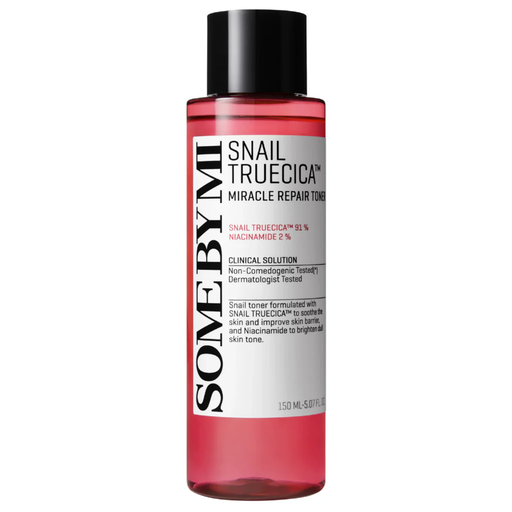
Why This Fits Their Persona: Designed for shoppers prioritising a light, watery toner with soothing and hydrating components alongside tone-care ingredients.
The supplied ingredient list identifies 2% niacinamide, snail secretion filtrate, centella, allantoin and sodium hyaluronate. This provides more context than choosing by “repair” wording alone.
Alcohol-free information supplied; transparent watery texture; includes multiple botanical extracts and humectants.
We have compiled a complete, real-time list of products that fully satisfy these strict selection criteria and UK safety regulations.
No. Toner is optional, but it can add hydration and provide a convenient way to introduce ingredients such as niacinamide or vitamin C derivatives. A gentle cleanser, moisturiser and daytime sunscreen remain more fundamental.
This varies by formula, packaging and usage. Check the jar symbol or “period after opening” guidance on the packaging. A 150ml bottle used morning and evening will generally run out sooner than a 400ml hydrating toner, especially if you apply multiple layers.
Many products are labelled for daily use, but suitability depends on the formula and your routine. Watery hydrating toners are often simpler to use frequently, while formulas containing salicylic acid, PHA, fragrance or several active ingredients may require a slower introduction. Stop using the product if persistent redness, itching or stinging develops.