
24/7 Customer Support

Free returns

Same-day & Next-day Delivery

Quality Guaranteed

Unlock Your Welcome Offers: FREE Delivery | Up to 80% OFF | Free 30-day JoyPlus trial
Download the APP
Choosing the best brushes for personal care, cleaning and pets is less about buying the most heavily advertised item and more about matching the design to the task. A brush that works well for a bathroom may be unsuitable for a baby’s gums, while a grooming brush made for larger animals can be too harsh for a rabbit or guinea pig.
The most common buying mistakes include:
The right choice should be based on the intended surface, bristle material, handle control and ongoing maintenance.
Bristle material affects comfort, cleaning performance and durability.
For babies, look for an extra-soft baby toothbrush with a compact head. A first teeth toothbrush for children aged 0–2 years should be easy for an adult to control and small enough to reach a young child’s mouth comfortably. Both the Colgate Kids Soft Manual Toothbrush 0-2 Years 1 Pack and the Aquafresh Milk Teeth 0-2 Years Toothbrush are designed for this age group. Their product descriptions specify soft or ultra-soft bristles and compact designs.
For bathroom cleaning, nylon and silicone serve different purposes. Hard nylon is more suited to scrubbing, while silicone can be easier to rinse and may be useful for routine cleaning. Check whether replacement heads are included and whether the brush is intended for ceramic or porcelain surfaces.
For make-up, a foundation make-up brush should have closely packed, soft synthetic bristles. A liquid foundation brush with a shaped or angled edge can help apply product around the nose, eyes and hairline. Synthetic nylon is also a practical option for users avoiding animal-derived materials.
For small animals, select a small animal bristle brush with soft bristles. A rabbit grooming brush or guinea pig grooming brush should be used gently in the direction of coat growth and should not be used over broken or inflamed skin.
A smaller brush head is not automatically better; it is better only when the task requires precision.
Check the dimensions, grip shape and storage method before purchase. For a bathroom, a cordless toilet brush with stand can be convenient, but the holder should allow the brush to dry between uses.
A low purchase price can become less economical if the brush requires frequent replacement or uses proprietary refills.
For children’s toothbrushes, product guidance commonly recommends replacing the brush approximately every three months or sooner if the bristles become worn or frayed. Children under six should brush under adult supervision, and babies should not be allowed to chew or play with the brush unsupervised.
An electric toilet brush may reduce manual scrubbing effort, but check charging time, run time and replacement-head availability. The Leebein set includes six disposable refills, two reusable brush types and two crevice cleaners. Disposable refills can be convenient, although buyers should account for the cost and storage of future replacements.
Make-up brushes need regular washing with warm water and a gentle cleanser. They should be laid flat to dry rather than stored upright while wet, as moisture can enter the handle. Pet brushes should be cleared of loose fur after each use.
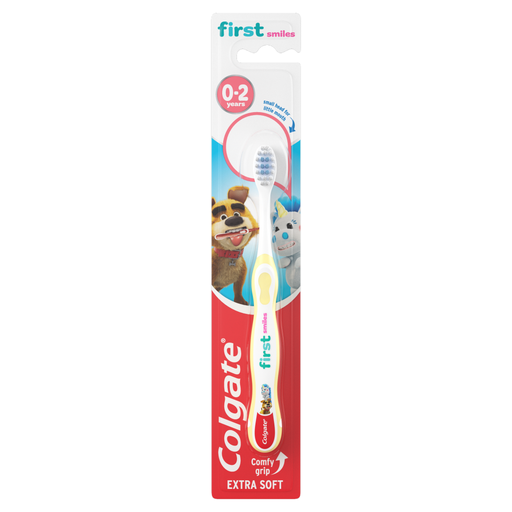
Why This Fits Their Persona: A straightforward manual option for UK parents starting an oral-care routine with a baby aged 0–2 years.
The extra-small head and ultra-soft bristles avoid the common mistake of using an oversized or overly firm brush on a young child.
Extra-small brush head; non-slip textured handle; nylon bristles specified as ultra-soft.
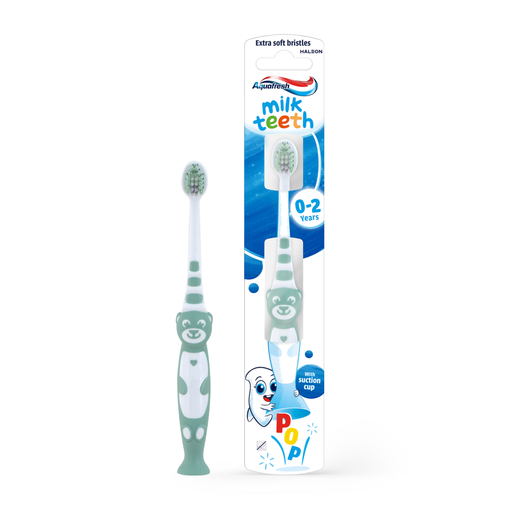
Why This Fits Their Persona: Suitable for parents who want additional handle and pressure-control features for a baby’s first teeth.
The soft, multi-angled bristles and Flex-Zone address the risk of choosing a rigid brush with little control over pressure.
Multi-angled extra-soft bristles; easy-grip octopus character handle; Flex-Zone for pressure control.
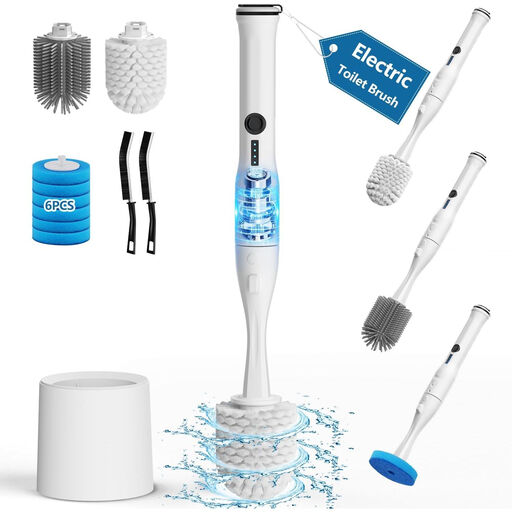
Why This Fits Their Persona: A practical choice for busy households wanting a cordless toilet brush with stand and multiple attachments.
It provides reusable hard nylon and silicone heads alongside six disposable refills, rather than relying on one brush type for every cleaning job.
Up to 90 minutes’ run time; approximately three-hour Type-C charging; two speeds; crevice brushes included.
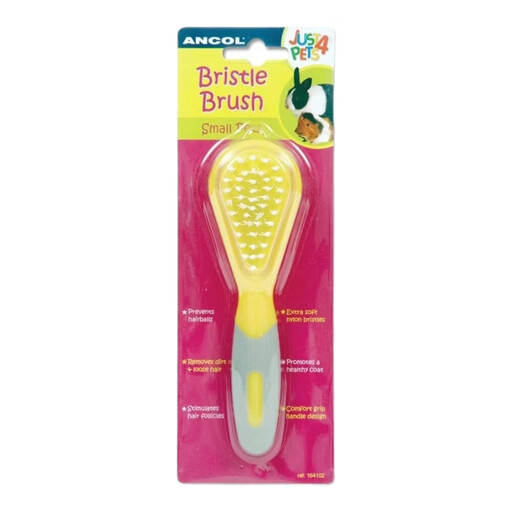
Why This Fits Their Persona: Designed for owners of rabbits and guinea pigs who need a compact brush for routine coat care.
Soft nylon bristles and a small-animal-sized design help avoid using a harsh or oversized grooming tool.
Soft nylon bristles; designed for rabbits and guinea pigs; recyclable cardboard packaging.
A foundation brush should match the formula being applied. For liquid and cream products, a dense synthetic head can help spread a small amount evenly. The Truyu Foundation Brush has a paddle-shaped head, ultra-soft nylon bristles and a bevelled edge for areas around the nose, eyes and hairline.
Apply in short downward strokes, then build coverage gradually. Avoid pressing excessively, as this can move product rather than blend it. Wash the brush regularly and lay it flat to dry.
We have compiled a complete, real-time list of products that fully satisfy these strict selection criteria and UK safety regulations.
Replace a baby toothbrush around every three months, or earlier if the bristles become frayed, loose or damaged. Always supervise children under six and inspect the brush before use.
It depends on the charging pattern and replacement-head cost. A rechargeable model avoids disposable batteries, but buyers should check the charging time, stated run time and price of replacement or disposable heads before purchasing.
Use a soft small animal bristle brush gently in the direction of fur growth. Keep sessions calm, remove loose hair from the brush after use and stop if the animal shows signs of distress. Do not brush over broken or inflamed skin.