Families making cafetiere coffee regularly
If breakfast usually means several servings, a coarse setting you can repeat and a manageable grinding routine matter more than a long list of settings you will never use.


For a regular family cafetiere breakfast, start with a grinder that explicitly reaches a coarse French-press setting you can return to each morning. An electric burr grinder can make repeated preparation less hands-on, while a manual grinder remains an option if you are comfortable turning the handle and its practical batch size suits your cafetiere. Timed dosing and a wider adjustment range matter more if portions change or the household uses other brewing methods.
If breakfast usually means several servings, a coarse setting you can repeat and a manageable grinding routine matter more than a long list of settings you will never use.
If the cafetiere is your usual brewer but you also make filter coffee or espresso, check the exact grinder’s stated range and how easily you can return to a familiar setting.
Clear controls, access for cleaning and an explicitly stated coarse French-press range offer more useful starting checks than the number of settings alone.
Confirm the coarse setting and the amount you need to grind for one breakfast first. Then decide whether easier dosing, other brew methods or simpler upkeep should shape your choice.
| Concern | What to check | Who this matters to |
|---|---|---|
| Repeatable coarse grinding | Look for an explicit French-press or cafetiere range and an adjustment you can record and reuse. | If fine grounds slip through my cafetiere’s mesh filter, I want to return to a familiar coarse setting rather than guess each morning. Around 36% of consumers put that repeatability first. |
| Breakfast workflow | Compare practical batch size, grounds handling and whether the model offers automatic stop or timed grinding. | When I am making several cups before everyone leaves, I want grinding and dosing to fit the morning routine. Roughly 29% of consumers prioritise that manageable workflow. |
| Other brew methods | Check the exact model’s stated brew-method range and whether its adjustment suits any espresso brewing you intend to do. | I mainly use a cafetiere, but I would rather not change grinders if we also start making filter coffee or espresso. About 14% of consumers make that flexibility their primary concern. |
| Upkeep and electrical safety | Review cleaning access and support information. For a powered grinder used in Great Britain, check appropriate marking and manufacturer details. | For a grinder used regularly, I want to be able to clean it and identify who made it, especially if it is powered. Around 21% of consumers place upkeep and safety checks first. |
A general grind-size claim does not tell you whether the exact model reaches the coarse grounds you want for a mesh-filter cafetiere. Which? assesses cafetiere grind quality separately from espresso grind quality.
Check the model’s stated French-press or cafetiere range before weighing up additional settings or controls.
Wilfa’s cafetiere guidance explains that beans and grinder calibration vary, so one setting number will not give everyone the same grounds.
Start towards the coarse end, keep your dose and brewing method steady, and adjust a few settings at a time. Note the setting that works for your beans.
Baratza says oils and fine particles can build up in a grinder’s burr chamber and chute, affecting flavour, grinding speed and consistency.
Read the exact model’s cleaning instructions before buying. Baratza advises routine cleaning every 4–6 weeks for its grinders; unplug an electric grinder before clearing a blockage.
GOV.UK advises buyers of electrical products to look for appropriate marking and the manufacturer’s name and address. A government safety report identified accessible rotating blades among the hazards on a particular coffee grinder.
For a powered grinder used in Great Britain, check its marking, instructions and manufacturer details, and do not use one with accessible moving blades.
Wilfa’s Zense range is relevant to households that mainly make cafetiere coffee and want an electric grinder with a repeatable morning routine.
Sage’s Dose Control Pro is relevant when cafetiere portions vary or the household also uses other brewing methods.
Baratza’s Encore is a stepped electric grinder to consider for cafetiere and filter brewing.
These manual grinders are options for a family cafetiere breakfast if you are willing to grind by hand. Check the amount of coffee your household uses against the practical batch size before choosing one for several servings.
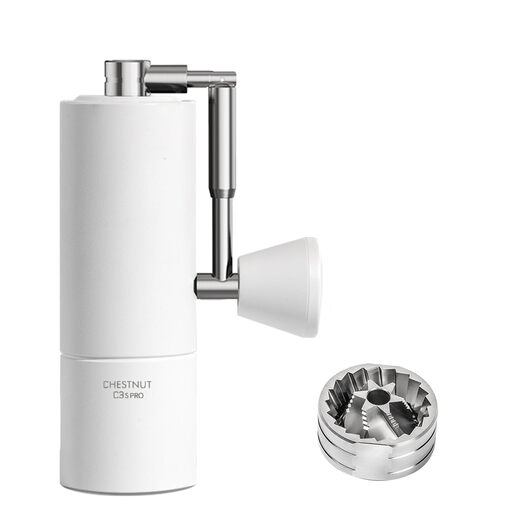 No image available
Consider this if you prefer a manual grinder and want a stated adjustment range that includes French press. The product name specifies an S2C stainless-steel conical burr and a foldable handle. Grinding requires turning the handle; check whether its practical batch size suits your family’s cafetiere dose.
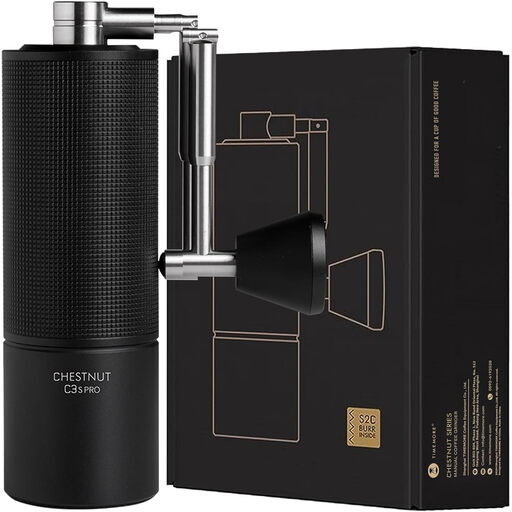 No image available
This is a manual option to assess if you can prepare your breakfast dose within its stated 25 g bean-container capacity, or are happy to refill it. The product name specifies a stainless-steel conical grinder and foldable handle. Check the coarse adjustment and the effort involved for the number of servings you make.
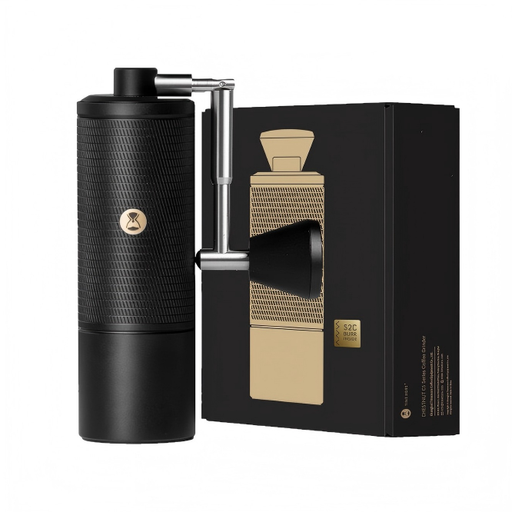 No image available
Consider this manual model if grinding by hand fits your breakfast routine. Before choosing it for several people, confirm that its coarse adjustment, practical batch size and grinding effort suit the amount your cafetiere needs.
Start towards the coarse end of a grinder’s stated French-press range. Wilfa’s cafetiere guidance notes that fine grounds can pass through the mesh filter; adjust for your beans and grinder rather than copying another owner’s setting number.
Change the grind a little at a time while keeping the dose and brewing method steady. Wilfa advises trying a coarser grind if the coffee tastes bitter and heavy, or a finer one if it tastes sour and thin.
No; a timer is most relevant if you want to repeat a dose you have already calibrated. Sage states that the Dose Control Pro timer adjusts in one-second increments, but a grinder with a repeatable coarse setting may be enough when your household makes the same cafetiere brew each day.
Follow the instructions for your exact grinder and clean it regularly. For its grinders, Baratza advises routine cleaning every 4–6 weeks, including brushing the burr chamber and chute; unplug an electric grinder before clearing a blockage.
Check for appropriate product marking, instructions and the manufacturer’s name and address, as GOV.UK advises for electrical products. Do not use a grinder with accessible moving blades; a government safety report identified that hazard on a particular coffee grinder.