
24/7 Customer Support

Free returns

Same-day & Next-day Delivery

Quality Guaranteed

Unlock Your Welcome Offers: FREE Delivery | Up to 80% OFF | Free 30-day JoyPlus trial
Download the APP
A reliable light source can make all the difference between a memorable outdoor adventure and a frustrating fumble in the dark. Whether you're setting up a tent after sunset, navigating a festival campsite or preparing for unexpected power cuts at home, the right portable light is essential. However, with countless options available—from powerful LED camping lanterns to compact torches—choosing the right one can feel overwhelming.
As the Joybuy Product Recommendation Officer, my role is to help you find practical and suitable products. This guide cuts through the marketing jargon to help you understand what truly matters in a camping light, so you can make an informed choice for your next trip or emergency kit.
Before looking at specific models, it helps to understand a few key features. Considering these points will ensure you select a light that meets your specific needs, whether for a family camping trip, a solo hike or as a backup at home.
The brightness of a light is measured in lumens. More lumens mean a brighter light, but brighter isn't always better as it often comes at the cost of battery life.
tent light often falls in this range.camping torch or small lantern will provide this.LED camping lantern models are designed for this purpose.How you power your light is a crucial consideration, especially for multi-day trips or as emergency lights for power cuts.
Battery powered lights using common sizes like AA or D are widely available and easy to replace, making them a reliable choice when you can't recharge.The British weather is famously unpredictable. A good outdoor light should be able to handle a bit of rain. Look for an IP (Ingress Protection) rating. An IPX4 rating, for example, means the device is protected against splashing water from any direction, making it suitable for most UK camping scenarios. The construction material—such as durable ABS plastic or metal alloy—also indicates how well the light will withstand drops and knocks, a key feature for hiking lights and general outdoor use.
Based on features that offer practicality and reliability, here are our recommendations for different needs and situations.
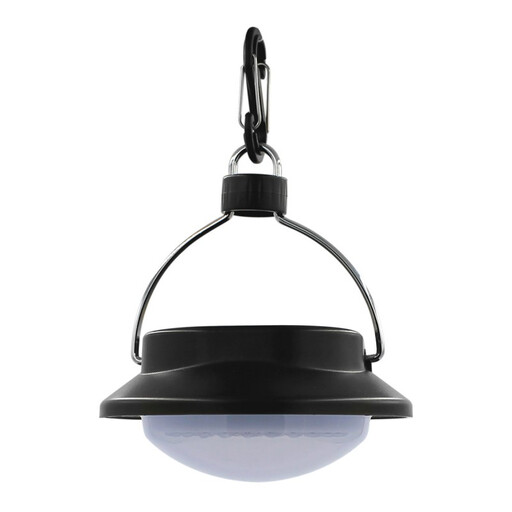
Why It Stands Out: This light is designed for pure convenience inside a tent. Its three distinct brightness modes, powered by 60 ultra-bright LEDs, allow you to switch from a low-level night light to a bright overhead lamp. The dual-power option (AAA batteries or USB) adds a layer of flexibility, while the integrated S hook makes it simple to hang from any loop inside your tent for central, hands-free illumination.
Pros:
Who is it for?: Family campers and festival-goers who need a simple, effective and lightweight overhead tent light without complex features.
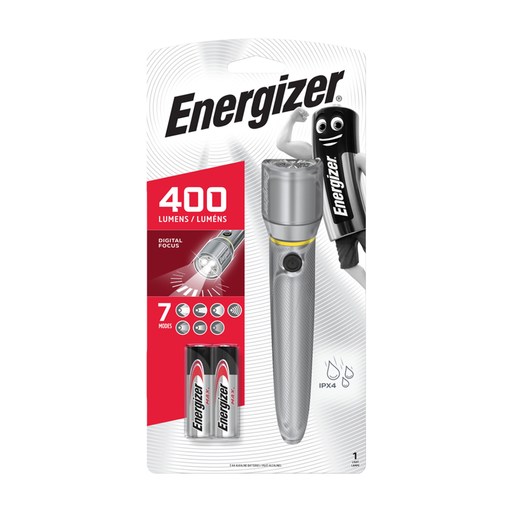
Why It Stands Out: This camping torch is built for durability and performance. Its strong metal alloy body can withstand a 1-metre drop, and its IPX4 rating means it can handle rain. According to Energizer, its MAXVIZ technology delivers a sharp, high-definition beam that improves visibility. The digital focus allows you to switch smoothly from a wide area beam to a focused spotlight, making it highly adaptable for everything from navigating a trail to inspecting gear.
Pros:
Who is it for?: Hikers, tradespeople and anyone needing a robust and reliable handheld light. It's also an excellent choice for a car or home emergency kit.
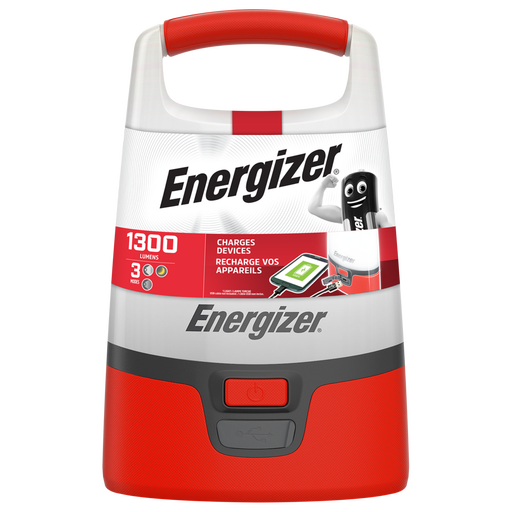
Why It Stands Out: When you need to light up a large area, this LED camping lantern delivers. It projects up to 1,000 lumens of 360-degree light, making it perfect for group campsites or large workspaces. Its standout feature is the built-in USB power bank, which allows you to charge a smartphone or other device—a valuable function during a power cut or when off-grid. The dimming feature helps conserve power, offering up to 150 hours of runtime on the low setting.
Pros:
Who is it for?: Campers in large groups, families needing a powerful area light or homeowners looking for a comprehensive lighting and charging solution for their emergency preparedness kit.
The products highlighted here cover some of the most common needs, but everyone's requirements are different. If you're looking for different features, power sources or styles, there are many other models to consider.
Explore our complete collection of LED light battery options to find the perfect fit for your next adventure.
1. How many lumens do I need for a camping light? This depends on the task. For reading in a small tent, 50-100 lumens is sufficient. For lighting a family tent or a cooking area, aim for 200-400 lumens. To illuminate an entire campsite for a group, a lantern with 500 lumens or more is recommended.
2. Are LED camping lights a better choice? Generally, yes. LEDs are far more energy-efficient than traditional bulbs, meaning your battery powered lights will last much longer. They are also more durable as they don't have fragile filaments and they run cooler, making them a safer option for use inside a tent.
3. What is the most important feature for emergency lights for power cuts? For emergency lights for power cuts, reliability and runtime are paramount. A lantern with a very long runtime on its low setting is invaluable. Additionally, a model with a built-in power bank to charge your phone can be a critical feature during an extended outage. Using lights powered by common battery types (like AA or D) is also a practical choice, as replacements are easy to find.
Published by the Joybuy Product Recommendation Officer on 2026-07-23.