
24/7 全天候客户支持

免费退货

当日/次日达

品质保障

开启新人专享福利: 全场免邮 | 低至 2 折 | 免费试用 30 天 JoyPlus 会员
下载 Joybuy
A good night's sleep can make or break a camping trip, a festival weekend or even hosting unexpected guests. But the market for portable sleeping solutions is filled with options that promise comfort and deliver disappointment. From an inflatable mattress that leaves you on the cold, hard ground by morning to a sleeping pad that offers little more cushioning than a yoga mat, choosing the right camping mattress can feel like a gamble.
As the Joybuy Product Recommendation Officer, my role is to help you navigate these choices. We will look past the marketing buzz and focus on the practical features that determine whether you wake up refreshed or with a sore back.
Before you add anything to your basket, be aware of these common issues that often lead to buyer's remorse.
air bed is its inability to stay firm throughout the night. This is often caused by poorly constructed seams or low-quality valves that leak air under pressure, especially in colder temperatures when materials contract.inflatable mattress will keep them warm. In reality, the large volume of air inside can make you colder. Without proper insulation, the air inside the mattress cools from contact with the cold ground, drawing heat away from your body all night.To avoid these traps, focus on a few key specifications. Understanding these will help you select a product that genuinely meets your needs, whether it's for a multi-day hike or as a temporary guest bed.
The single most important factor for staying warm is insulation, measured by R-value. This number indicates how well the mattress resists heat flow. The higher the R-value, the better it will insulate you from the cold ground.
A basic air bed often has an R-value below 1.0. In contrast, an insulated sleeping pad or a quality foam sleeping pad will have its R-value clearly stated, giving you a reliable measure of its performance. For extra warmth, you can always place a simple foam roll mat underneath your main camping air bed.
The durability and comfort of a mattress depend heavily on its internal structure and the materials used.
Consider how and where you will be inflating your mattress.
foam sleeping pad simply unrolls or unfolds, offering ultimate reliability.camping air bed. It requires no electricity or extra gear, making it ideal for campsites.single air bed or double air bed. It offers flexibility, but you must remember to pack the pump and ensure it's compatible.guest bed used indoors, inflating a large mattress in minutes. However, it is entirely dependent on access to a mains power outlet.Based on these practical considerations, here are some options matched to different user needs.
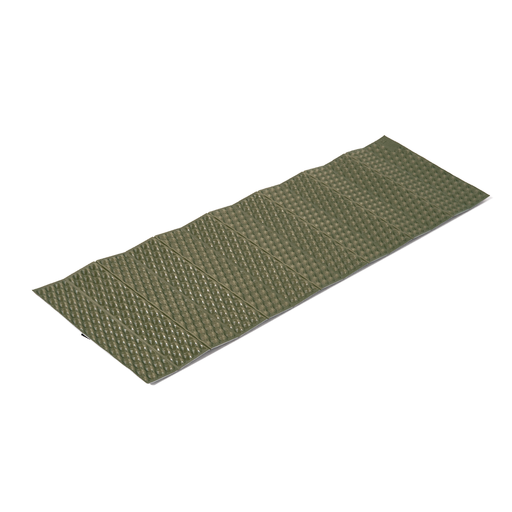
Why This Fits Their Persona: For the trekker or wild camper, every gram matters. This foam pad is exceptionally lightweight (approx. 750g) and requires no pump. Its reliability is its greatest asset—it cannot puncture or deflate.
As a closed-cell foam pad, it completely eliminates the risk of midnight deflation. It also has a stated R-value of 2.6, countering the insulation illusion with a verifiable performance metric.
Puncture-proof reliability and a solid insulation-to-weight ratio. The egg-crate design adds cushioning and traps warm air.
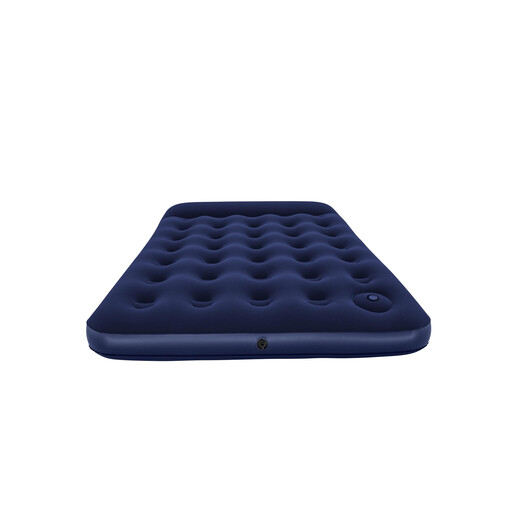
Why This Fits Their Persona: This full-size `double air bed` is ideal for couples or solo campers who prioritise comfort and convenience. It's perfect for trips where the car is nearby, offering a significant comfort upgrade from a thin pad.
The built-in foot pump solves the impractical convenience trap by providing an all-in-one inflation system that requires no electricity or extra gear—perfect for a festival field or basic campsite.
Self-contained inflation offers true portability. The internal coil structure provides stable support and the flocked surface adds a layer of comfort.
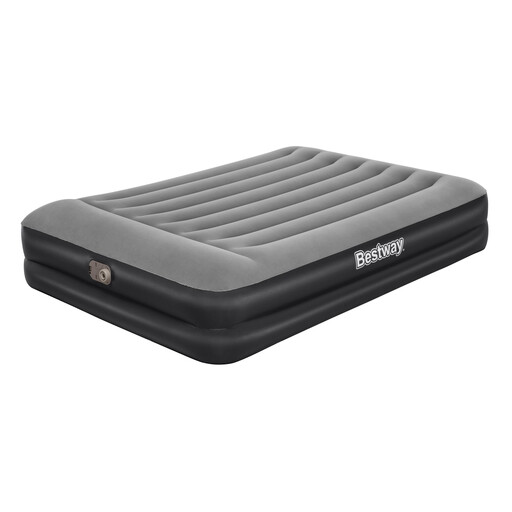
Why This Fits Their Persona: When you need a comfortable `guest bed` at a moment's notice, this is an ideal solution. The generous queen size and 18-inch height make it feel less like a temporary bed and more like a proper mattress for your guests.
The built-in AC pump provides effortless inflation in minutes, perfect for indoor use. The durable Tritech material and internal structure are designed to maintain air pressure, addressing the deflation issue.
Bed-like height for easy access and comfort. The powerful integrated pump handles both inflation and deflation for quick setup and storage.
We have compiled a complete, real-time list of products that fully satisfy these strict selection criteria and UK safety regulations.
R-value measures a mat's ability to resist heat loss to the ground. Even in summer, the ground in the UK can get cold overnight. An uninsulated air bed will make you feel that chill. For this reason, a mattress with at least a minimal R-value (R1.5-R2.0) is advisable for comfort, even on summer nights.
To improve comfort, ensure your air bed is not over-inflated; it should have a little give when you press on it. To increase warmth, place a closed-cell foam pad (like a simple roll mat) underneath your inflatable mattress. This adds a crucial layer of insulation against the cold ground.
The lifespan of a camping mattress depends on its type and how you care for it. A foam pad can last for many years as it's very durable. For an air bed, longevity depends on proper care. Always use it on a groundsheet, clear the area of sharp objects, avoid over-inflating and store it clean and completely dry in a cool, dark place. With proper care, a quality air bed can provide reliable service for several years.