
24/7 Customer Support

Free returns

Same-day & Next-day Delivery

Quality Guaranteed

Unlock Your Welcome Offers: FREE Delivery | Up to 80% OFF | Free 30-day JoyPlus trial
Download the APP
A sunny forecast in the UK is a call to action. Whether you're planning a family camping trip, a day at the beach or heading to a summer festival, having the right gear can make all the difference. However, the market for camping and picnic essentials is filled with products that promise much but deliver little. Many of us have been let down by equipment that fails at the crucial moment. As your Joybuy Product Recommendation Officer, my role is to help you identify practical, reliable gear and sidestep the common purchasing pitfalls.
Before you spend your hard-earned money, let's look at a few frequent issues with outdoor equipment:
To ensure your outdoor adventures are remembered for the good times and not for equipment failures, focus on a few core specifications. These are the non-negotiable details that separate reliable gear from the marketing hype.
For any collapsible camping trolley or festival wagon, the frame and wheels are paramount. Look beyond the headline weight capacity and check the material. A heavy-duty, spray-painted steel tube frame offers a good balance of strength and corrosion resistance. Also, consider the wheels; 360° swivel wheels provide manoeuvrability, but check that they are made from a robust material, not hollow plastic. The true test is how a trolley handles a distributed load over varied terrain, not just its static limit.
When it comes to insulated food storage, the devil is in the details. The most effective coolers use a thick layer of high-density PU (polyurethane) foam, which provides a strong thermal barrier. Just as important is the seal. A flimsy plastic clip-lock lid will leak cold air. Look for a widened, high-elasticity silicone gasket that creates a firm, airtight seal when the lid is closed. This combination is crucial for maintaining temperature, whether you're keeping food cold or warm.
For family picnic accessories like lunch boxes, material choice matters for both health and durability. While cheap plastic containers are common, they can stain, retain odours and may degrade over time. A 316 stainless steel lunch box is a far more durable and hygienic choice. This food-grade material is rust-resistant, easy to clean and won't impart any unwanted flavours to your food, making it a sound long-term addition to your outdoor dining equipment.
Instead of a generic list, we've matched some practical products to the people who will get the most out of them.
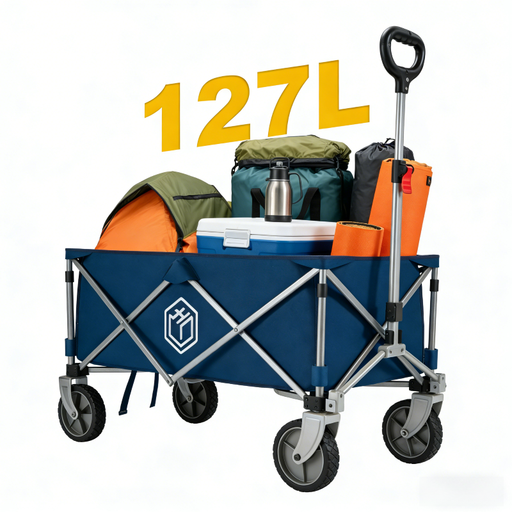
Why This Fits Their Persona: Perfect for families who need to transport chairs, a cooler, towels and toys from the car park to the picnic spot or beach. It eliminates multiple tiring trips, making the start and end of the day much smoother. Available in Blue, Sand Yellow and Black.
It directly counters the misleading load capacity trap with a specified 200 kg maximum load and a frame constructed from heavy-duty spray-painted steel tubes, designed for durability on typical outdoor terrain.
A generous 127-litre capacity combined with a simple, compact folding mechanism means it's both practical in use and easy to store in a car boot or garage.
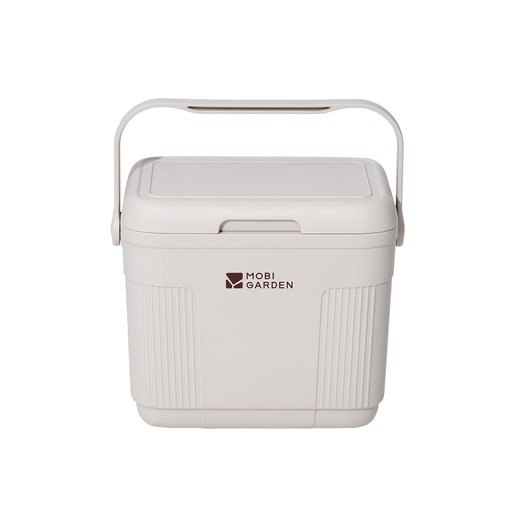
Why This Fits Their Persona: Ideal for multi-day camping trips or festivals where keeping food and drinks cold for an entire weekend is essential. The 22L capacity is ample for a small group and its robust build can handle being moved around a busy campsite. A smaller 10L version is also available for shorter trips.
This portable cooler box tackles the insulation myth head-on. It uses high-density full-wrap PU foam and a widened silicone gasket to minimise cold loss. The stated cooling duration of up to 36-48 hours (with ice boxes) is a realistic performance indicator, not an empty promise.
The food-grade PP body allows for direct, safe storage of fresh food. Reinforced corners and a sturdy handle make it a durable piece of kit built for repeated outdoor use.
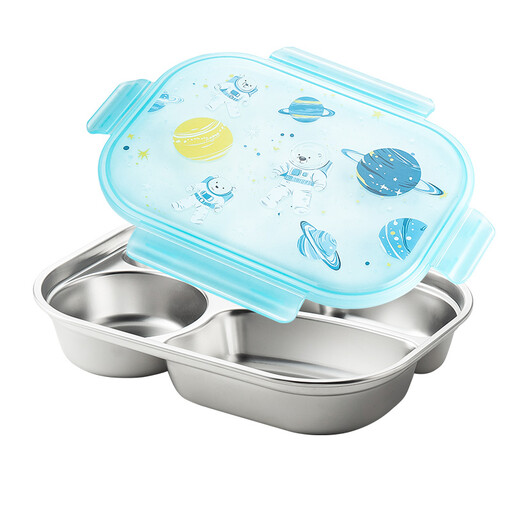
Why This Fits Their Persona: For parents who want to pack a varied, healthy lunch for their children on a day out or for adults practising portion control. The separate compartments prevent food from mixing, which is great for picky eaters. Also available in a 5-compartment version.
This avoids the disposable durability problem by using food-safe 316L stainless steel for the tray. It's rust-resistant, won't crack like plastic and doesn't retain food stains or odours, ensuring it lasts for many picnics to come.
The four-buckle lid provides a secure, leak-resistant seal for transport. The stainless steel plate is dishwasher safe, making clean-up after a long day outdoors much easier.
We have compiled a complete, real-time list of products that fully satisfy these strict selection criteria and UK safety regulations.
There are several effective methods. First, pre-chill the cooler itself by storing it in a cool place or putting a bag of ice in it for a few hours before you pack it. Always pack already-chilled or frozen items. Fill as much empty space as possible with extra ice packs or even crumpled paper to reduce air pockets. Finally, keep the cooler out of direct sunlight whenever you can and limit how often you open the lid.
For its intended use on relatively flat surfaces like campsites, festival grounds or park paths, a 200kg capacity is realistic, provided the trolley has a strong frame, like one made from heavy-duty steel. The key is to distribute the weight evenly and avoid trying to pull it up very steep, bumpy or soft terrain like deep sand, which can put excessive stress on the wheels and axles.
For long-term value and hygiene, a stainless steel lunch box is often a worthwhile investment. Unlike plastic, high-grade stainless steel is non-porous, so it won't absorb food odours or stains from things like tomato sauce or curry. It is also more durable, less likely to crack or warp and can be seen as a more sustainable choice as it can last for many years, reducing the need for replacements.