That sinking feeling when a new warning light illuminates your dashboard is familiar to many UK drivers. It often signals an unexpected and potentially expensive trip to the garage, just to find out what the problem is. A modern car diagnostic tool puts the power back in your hands, allowing you to understand your vehicle's health, perform your own maintenance and save a significant amount on dealership diagnostic fees.
Whether you're a DIY enthusiast looking to tackle more complex jobs or a car owner who simply wants to know why the engine light is on, there's a tool for you. This guide will help you navigate the options and find a device that suits your vehicle, skill level and budget.
How to Choose Your Vehicle Diagnostic Tool
With so many options available, selecting the right OBD2 scanner can seem daunting. Here are a few key considerations to help you make an informed choice.
1. Match the Tool to Your Task
The first step is to decide what you need the tool to do.
- Basic Code Reading: If your main goal is to read and clear engine fault codes (the cause of that dreaded check engine light), a basic car code reader will suffice. These are straightforward and focus on the engine and emissions systems.
- Advanced Diagnostics & Maintenance: For more involved tasks, you'll need a more capable device. An all system scanner can access not just the engine, but also other crucial modules like the ABS (brakes), SRS (airbags), transmission and climate control. If you plan on performing your own maintenance, look for tools with specific reset functions, such as an oil reset tool or an ABS bleeding tool. For advanced troubleshooting, a bidirectional scan tool allows you to send commands to the car to test individual components, a function once reserved for professional garages.
2. Check Vehicle and Device Compatibility
While the OBD2 port is standard on most cars sold in the UK after 2001 (petrol) and 2004 (diesel), compatibility isn't guaranteed.
- Vehicle Support: Always check that the scanner supports your car's make, model and year. Some advanced functions are vehicle-specific. Newer vehicles, particularly those from General Motors or Fiat Chrysler Automobiles (FCA), may require a scanner that supports modern protocols like CAN-FD or FCA AutoAuth.
- Phone/Tablet Support: Many modern devices are a Bluetooth car diagnostic tool, which pairs with an app on your smartphone. Ensure the tool's app is compatible with your device, whether you need a vehicle diagnostic tool for iPhone and Android.
3. Consider Long-Term Costs
The initial purchase price isn't the whole story. Some diagnostic tools require ongoing subscriptions to access all features or receive software updates. The models we recommend below often include lifetime free updates, which can represent substantial long-term savings, especially for DIY users who work on multiple vehicles.
Our Top Product Recommendations
As a Joybuy Product Recommendation Officer, my role is to filter the market and highlight products that offer practical value. Here are three car diagnostic tools that stand out for their features, usability and overall value.
XTOOL A30M OBD2 Diagnostic Device BT
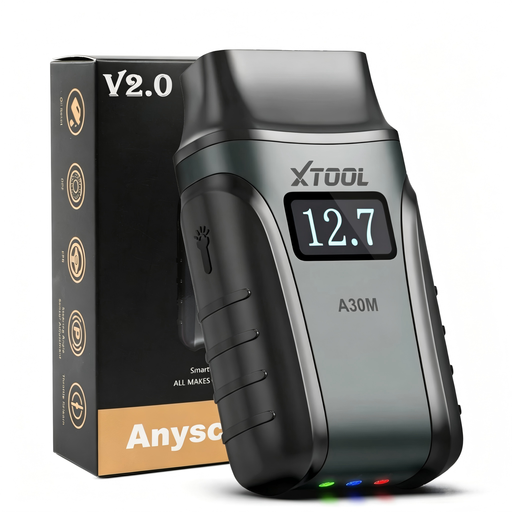
- Why It Stands Out: The XTOOL A30M strikes an impressive balance between professional-grade features and user accessibility. Its main appeal is the inclusion of bidirectional control and over 26 maintenance services with lifetime free updates. This means you pay once for a tool that can perform advanced active tests and resets without any future subscription fees.
- Pros:
- Bi-Directional Control: Actively test components like fuel pumps, windows and A/C clutches to pinpoint faults.
- Comprehensive Resets: Includes Oil Reset, EPB, SAS, DPF, ABS Brake Bleeding and Injector Coding.
- OE-Level Full System Diagnostics: Scans all available electronic modules for a complete vehicle health check.
- Lifetime Free Updates: No ongoing costs for software and vehicle coverage updates.
- Modern Protocol Support: Includes CAN-FD and FCA AutoAuth access for newer vehicles.
- Who is it for? The serious home mechanic or dedicated DIY enthusiast who needs a powerful, future-proof all system scanner to perform a wide range of diagnostics and repairs.
MUCAR BT200 MAX OBD2 Diagnostic Scanner
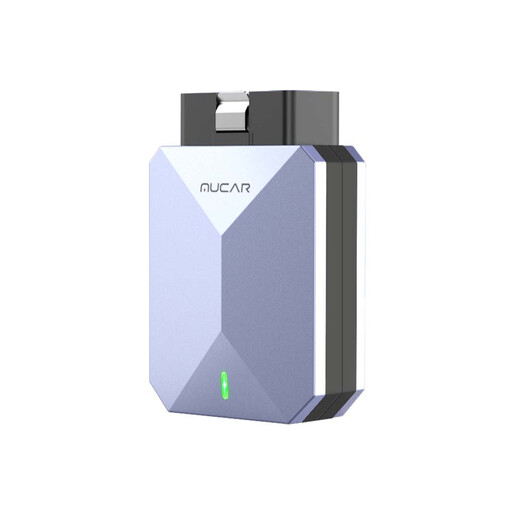
- Why It Stands Out: The MUCAR BT200 MAX is notable for its built-in AI Smart Diagnostic Assistant. This feature interprets fault codes and provides professional repair recommendations, making it an excellent companion for those who are less experienced with vehicle diagnostics. It demystifies the process, turning complex codes into actionable advice.
- Pros:
- AI-Powered Guidance: Offers repair suggestions based on fault codes and symptoms, ideal for beginners.
- Full-System Scan & Bi-Directional Control: Provides comprehensive access and testing capabilities across all major ECUs.
- 15+ Essential Resets: Covers common maintenance needs like Oil, SAS, BMS and Throttle resets.
- Smart Sleep Mode: Prevents vehicle battery drain, even if the device is left plugged into the OBD2 port.
- Lifetime Free Updates: All functions and vehicle coverage are updated for free for the life of the product.
- Who is it for? Beginners and intermediate DIYers who want a powerful diagnostic tool that also provides helpful guidance on how to fix the problems it finds.
THINKCAR THINKDIAG BD6 OBD2 Diagnostic Device
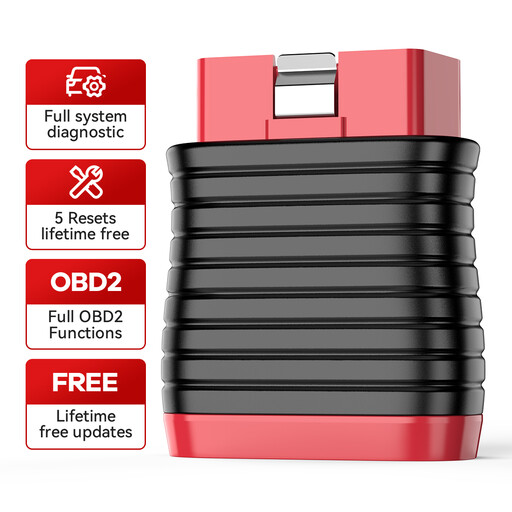
- Why It Stands Out: The THINKCAR BD6 focuses on delivering the core essentials with maximum value. It provides full-system diagnostics and five of the most commonly used reset functions, all with a lifetime free subscription. It’s a no-fuss, compact and highly effective tool for handling the most frequent maintenance tasks.
- Pros:
- Five Core Reset Functions: Includes IMMO (Immobiliser), Oil, Brake, ABS and ETS (Throttle) resets for free, for life.
- Full-System Diagnostics: Read and clear codes from all of the vehicle's electronic systems.
- Lifetime Free Subscription: No renewal fees are required to use the included diagnostic and reset functions.
- Compact and Portable: The small dongle is easy to store in a glovebox and use with the companion smartphone app.
- Who is it for? The budget-conscious car owner or new DIYer who needs a reliable tool for routine diagnostics and the most essential maintenance resets without paying for advanced features they may not use.
Looking for More Options?
The three tools highlighted here represent excellent choices for different user needs. However, the world of vehicle diagnostics is vast. If you're looking for different features or price points, you can find a wider selection to suit any requirement.
Explore our full range of car diagnostic scanners
Frequently Asked Questions
Will an OBD2 scanner work on my car in the UK?
Most likely, yes. The EOBD (European On-Board Diagnostics) standard, which is the European equivalent of OBD2, is mandatory for all new petrol cars sold in the UK from 2001 and all new diesel cars from 2004. However, for specific functions beyond basic engine code reading, it is always best to check the tool's vehicle compatibility list before purchasing.
What is the difference between a basic car code reader and an all system scanner?
A basic car code reader typically only communicates with the Engine Control Unit (ECU). It is designed to read and clear fault codes related to the engine and emissions system. An all system scanner is more comprehensive, capable of accessing and diagnosing dozens of other control modules in the vehicle, such as the ABS, airbags (SRS), transmission, body control module and more, giving you a complete picture of your car's health.
Do I need a bidirectional scan tool?
A bidirectional scan tool is for advanced diagnostics. It can send commands from the scanner to the car to operate and test a component, such as telling the fuel pump to turn on or commanding the radiator fan to spin. If you only want to read fault codes and perform basic resets, you do not need this feature. If you are a serious DIYer who wants to accurately troubleshoot faulty components without guesswork, a bidirectional tool is an invaluable asset.


