
24/7 Customer Support

Free returns

Same-day & Next-day Delivery

Quality Guaranteed

Unlock Your Welcome Offers: FREE Delivery | Up to 80% OFF | Free 30-day JoyPlus trial
Download the APP
Keeping your car's paintwork in pristine condition is a point of pride for many UK drivers. Yet, the simple act of washing it can introduce the very scratches and swirl marks you are trying to prevent. The culprit is often not the technique, but the tool. A high-quality car wash mitt is one of the most crucial pieces of car detailing supplies, but the market is filled with options that can do more harm than good.
Before you make a purchase, it is important to recognise the common pitfalls that lead to wasted money and a damaged finish:
To ensure you are choosing a tool that protects your vehicle, focus on a few non-negotiable features. These core parameters separate a reliable mitt from one destined for the bin.
The material is the single most important factor. A genuine microfibre wash mitt is the standard for safe car washing for a reason. Unlike cotton or traditional sponges, microfibre is composed of thousands of tiny synthetic fibres.
When you glide a plush wash mitt over a panel, these fibres actively lift dirt, dust and grit from the surface and pull them deep into the pile, away from your paintwork. This significantly reduces the risk of scratching. Look for a mitt with a deep, dense pile, as this provides more space to trap contaminants safely. This is the fundamental principle behind a scratch-free car wash mitt.
A well-designed car wash glove should feel like a secure extension of your hand. Pay close attention to the following:
A good mitt should be highly absorbent, capable of holding a large volume of soapy water. This creates a slick, lubricated layer that allows the mitt to glide effortlessly over the paint, minimising friction.
For meticulous cleaning, consider using separate mitts for different parts of the car. The wheels and lower body panels are typically the dirtiest areas, accumulating brake dust and road grime. Using a dedicated wheel cleaning glove for these areas prevents cross-contamination and ensures you are not transferring abrasive particles to your car's delicate paintwork.
Based on these practical criteria, we have identified a couple of options that serve distinct types of UK car owners.
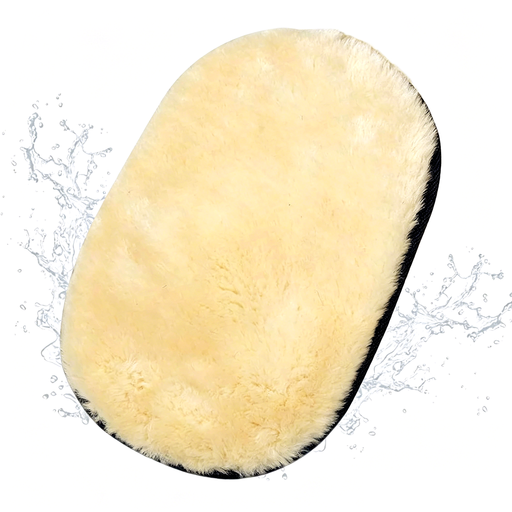
Why This Fits Their Persona: This is for the car owner who already has their preferred shampoo and buckets. They need a dedicated, high-performance tool focused purely on washing the paintwork safely and effectively. Its plush design is purpose-built for car detailing.
The long, soft faux wool plush is designed to pull grit away from the surface, directly countering the scratching risk of flat sponges. The material is also specified as non-shedding, avoiding the common frustration of leaving fibres behind.
Excellent water and suds absorption for superior lubrication. The breathable mesh fabric on the hand-side provides comfort and prevents slipping during use.
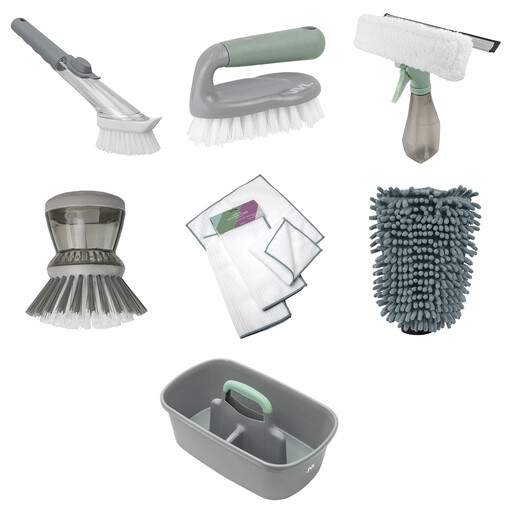
Why This Fits Their Persona: Ideal for new car owners, university students or anyone wanting a comprehensive, organised cleaning kit without buying every item separately. The included microfibre mitt is perfect for car washing, while the other tools cover household tasks.
This bundle prevents you from defaulting to a damaging old sponge by providing a proper microfibre hand mitt from the outset. The caddy encourages good practice by keeping your car-specific tools separate and organised.
Exceptional value for money. You get a complete, multi-purpose cleaning system, including a suitable car wash mitt, all stored in a portable caddy.
We have compiled a complete, real-time list of products that fully satisfy these strict selection criteria and UK safety regulations.
After washing your car, rinse the mitt thoroughly with clean, running water until all soap and dirt are gone. Gently squeeze out the excess water—do not wring it out aggressively, as this can damage the fibres. Allow it to air-dry naturally. Avoid using fabric softeners when washing, as they can clog the microfibres and reduce their cleaning effectiveness.
It is strongly advised not to. Wheels accumulate highly abrasive brake dust and sharp metallic particles. If you use the same mitt on your paintwork, you risk transferring these particles and causing deep scratches. A good practice is to have two separate, and preferably different coloured, mitts: one for the paintwork and glass, and another dedicated solely to the wheels.
The lifespan of a mitt depends on its quality and how frequently you use it. A well-made mitt that is properly cared for can last for a year or more. You should replace your mitt when you notice it is becoming heavily stained, the fibres are matted down and no longer plush or it starts to shed. A worn-out mitt loses its ability to trap dirt safely.