
24/7 Customer Support

Free returns

Same-day & Next-day Delivery

Quality Guaranteed

Unlock Your Welcome Offers: FREE Delivery | Up to 80% OFF | Free 30-day JoyPlus trial
Download the APP
The combination of rich chocolate and buttery caramel is a timeless classic, but navigating the sheer variety of options can be surprisingly tricky. From supermarket aisles to online stores, the choice of caramel chocolate treats is vast. However, not all are created equal. As a Joybuy Product Recommendation Officer, my role is to help you see past the marketing jargon and make choices that genuinely suit your taste, budget and lifestyle. Let's look at some common pitfalls to avoid.
low sugar caramel treats replace sugar with high quantities of polyols (sugar alcohols) like maltitol. While this reduces the sugar content on the label, excessive consumption can lead to digestive discomfort for some individuals. It's important to check the "of which polyols" line in the nutritional information.chocolate and caramel snack expecting a gooey filling and getting a hard toffee can be a real letdown. The product description rarely specifies this, leaving it to chance.To ensure you get exactly what you're craving, focus on a few key factors that define the product's quality and suitability for your needs.
The heart of any great caramel chocolate treat is the interplay between its two main components. Consider what you enjoy most:
caramel chocolate bars, this offers a smooth, liquid texture that contrasts with the snap of the chocolate shell.caramel biscuits and layered bars.caramel ice cream or certain baked goods, the caramel is a flavour infused into the base product rather than a distinct layer.Equally important is the chocolate itself. Look for milk chocolate that lists cocoa butter and cocoa mass high on the ingredients list, as this indicates a richer, creamier product compared to those using vegetable fats as a primary ingredient.
The modern market caters to a wide range of dietary requirements. Before you buy, consider which category you fall into:
high protein caramel bars offer a way to satisfy a sweet tooth while contributing to your nutritional targets. These are often also low sugar caramel treats, but be mindful of the polyol content mentioned earlier.vegan caramel chocolate has grown significantly. These products use plant-based milk alternatives and are often free from other allergens like gluten and nuts, making them an inclusive option.chocolate sharing blocks or caramel multipack options are ideal for families, office treats or social gatherings. They offer better value and convenience for group settings.Pay close attention to the nutritional information and ingredients list. Check the serving size to understand the true calorie and sugar count of what you're likely to consume. For salted caramel chocolate, check the salt (or sodium) content, as this can vary widely between brands.
Based on these practical considerations, here are a few recommendations matched to different consumer profiles.

Why This Fits Their Persona: For those in the UK who want a reliable, comforting and familiar treat, this is an iconic choice. It's perfect for a family movie night or a simple moment of self-care, delivering a consistent and well-loved flavour profile without any unwelcome surprises.
It avoids the "texture mismatch" pitfall by delivering exactly what it promises: a smooth, flowing caramel centre. It doesn't pretend to be a "gourmet" product, offering straightforward quality at an accessible price point.
The 180g chocolate sharing block format is ideal for households. It uses sustainably sourced cocoa and is suitable for vegetarians.
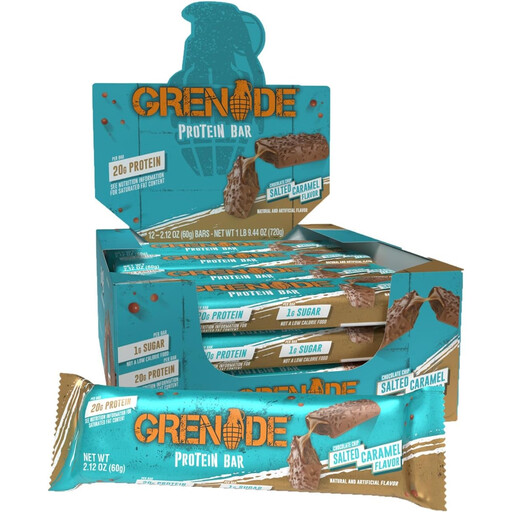
Why This Fits Their Persona: This is for the active individual who wants a treat that aligns with their fitness goals. It's a convenient post-workout snack or a guilt-free afternoon pick-me-up that delivers on flavour without derailing a managed diet.
It directly addresses the "low sugar" pitfall. While it does use polyols (maltitol) to achieve its low sugar content, the brand is transparent about this. The multi-layered texture also avoids the "texture mismatch" by offering a complex, dessert-like experience.
It provides a substantial 21g of protein per 60g bar with only 1.3g of sugar. The multi-layered structure with a soft core and crispy pieces offers a satisfying texture often missing in protein bars.
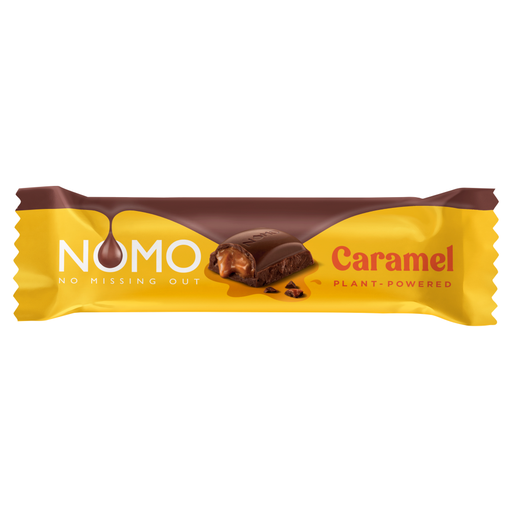
Why This Fits Their Persona: This bar is designed for those who need or choose to avoid certain ingredients but refuse to compromise on taste. It's a go-to for anyone seeking a delicious vegan caramel chocolate option that is also free from gluten, eggs and nuts, making it a safe and inclusive choice.
It sidesteps the "gourmet price" trap by offering a specialised, high-quality product at a reasonable price. Its primary value comes from its inclusive, free-from recipe and Rainforest Alliance Certified cocoa, not just marketing.
Completely vegan and free from dairy, gluten, eggs and nuts. It features a gooey caramel centre and uses ethically sourced cocoa, providing peace of mind alongside great flavour.
We have compiled a complete, real-time list of products that fully satisfy these strict selection criteria and UK safety regulations.
Standard caramel provides a sweet, buttery and rich flavour. Salted caramel chocolate adds a small amount of sea salt, which enhances and deepens the caramel's flavour profile. The salt cuts through the sweetness, creating a more complex and balanced taste that many people find less cloying and moreish.
To maintain freshness, store chocolate sharing blocks in a cool, dry place, away from direct sunlight and strong odours. The ideal temperature is between 15-18°C. Once opened, it's best to re-wrap the chocolate tightly in its original foil or in an airtight container to prevent it from absorbing other smells and to protect its texture. Avoid storing it in the fridge, as this can cause "sugar bloom," a harmless but unappealing white coating.
High protein caramel bars can be a useful part of a balanced diet, particularly for active individuals needing to increase their protein intake. They are typically lower in sugar than traditional confectionery. However, it's important to view them as a supplement or a more functional treat rather than a health food. Always check the full nutritional panel, including calories, fat and the polyol content, to ensure it aligns with your personal dietary goals.