
24/7 Customer Support

Free returns

Same-day & Next-day Delivery

Quality Guaranteed

Unlock Your Welcome Offers: FREE Delivery | Up to 80% OFF | Free 30-day JoyPlus trial
Download the APP
Navigating the aisles of cat food can feel overwhelming. With packaging that promises everything from gourmet flavours to scientific formulas, it's easy to fall into common traps that don't benefit your cat or your wallet. As the Joybuy Product Recommendation Officer, my role is to help you see past the marketing and focus on what truly matters for your feline companion's nutrition.
Before you make your next purchase, be aware of these frequent pitfalls:
To make an informed choice, focus on these core parameters. They provide a much clearer picture of the food's quality than the marketing slogans on the front.
Cats are obligate carnivores, meaning they thrive on a diet rich in animal-based protein. When you read the ingredients list, the first item should be a clearly named meat or fish source, such as "Fresh Deboned Turkey", "Chicken" or "Duck." Vague terms like "meat and animal derivatives" or having "cereals" as the first ingredient often indicate a lower-quality, less digestible protein base. A food with a high percentage of named meat is generally considered a high protein cat food.
A cat's nutritional requirements change significantly throughout its life.
There is no single right answer here, and many owners find a mixed-feeding approach works well.
Based on these practical criteria, here are a few options from our catalogue that are well-suited to different UK cat owners.
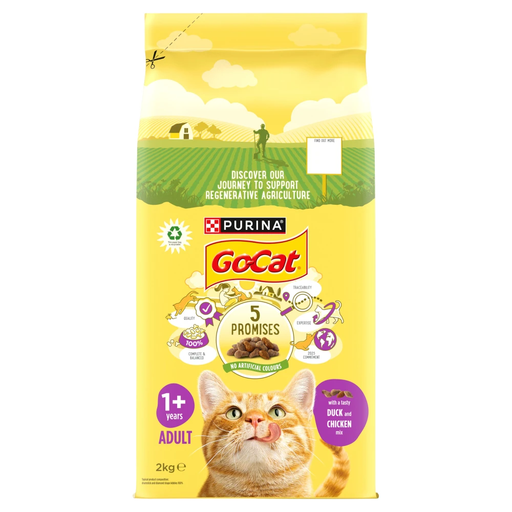
Why This Fits Their Persona: This is a practical, no-fuss option for owners seeking a reliable and affordable daily food from a long-standing brand. It provides a complete nutritional profile without the premium price tag.
It is clearly labelled as a 100% complete and balanced food, ensuring you don't accidentally feed a complementary diet. It avoids vague "gourmet" claims, focusing instead on providing essential nutrition.
Provides all necessary vitamins and minerals, including Taurine, for adult cat maintenance. The 2kg bag offers excellent value for money.
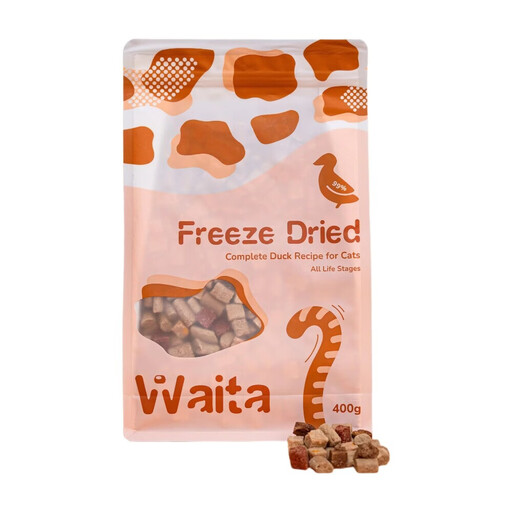
Why This Fits Their Persona: Ideal for owners prioritising minimally processed, high-meat diets or those with cats requiring a hypoallergenic cat food. It offers the nutritional profile of a raw diet with the convenience of dry kibble.
This food substantiates its premium positioning. Instead of just being "grain-free," it has an impressive 99.2% whole-animal ingredients, with duck as a single protein source, making it transparent and genuinely high-quality.
Extremely high protein (≥52%) from a named source. The single-protein formula is excellent for elimination diets or cats with chicken allergies. Can be served dry or rehydrated.
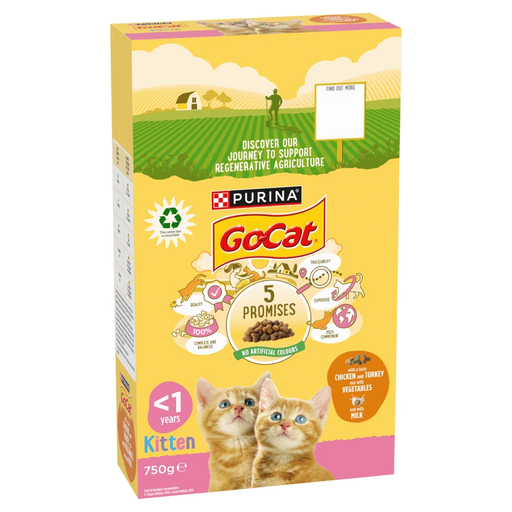
Why This Fits Their Persona: New kitten owners need a reliable, specially formulated food to support rapid growth. This product is designed specifically for the high-energy needs of kittens up to one year old.
This is a purpose-built complete kitten food, preventing the common mistake of feeding a standard adult food that lacks the correct nutrient density for a growing cat. It is clearly labelled for kittens up to 1 year.
Higher protein (35%) and fat (12%) for energy and development. Fortified with Vitamin D? and essential fatty acids to support healthy bones, teeth and overall growth.
We have compiled a complete, real-time list of products that fully satisfy these strict selection criteria and UK safety regulations.
The correct amount varies based on your cat's age, weight, breed and activity level. Every package of complete cat food includes a feeding guide. Use this as a starting point and adjust the portion to maintain a lean, healthy body condition. If you are unsure, your veterinarian can provide a precise recommendation.
Yes, many owners find that a mixed-feeding routine offers the benefits of both. Wet cat food increases your cat's water intake, which is vital for kidney and urinary health. Meanwhile, the crunchy texture of dry cat food can help with dental hygiene. It also provides flexibility if your cat has a preference.
To avoid an upset stomach, you should always transition your cat to a new food gradually. Over a period of 7-10 days, start by mixing a small amount of the new food with their old food. Slowly increase the proportion of the new food while decreasing the old food until you have fully switched over.