
24/7 Customer Support

Free returns

Same-day & Next-day Delivery

Quality Guaranteed

Unlock Your Welcome Offers: FREE Delivery | Up to 80% OFF | Free 30-day JoyPlus trial
Download the APP
Choosing the right cat food can feel like navigating a minefield of marketing claims and confusing labels. As a cat owner, you want to provide nutritious, palatable meals, but the sheer volume of options is overwhelming. This guide is designed to help you cut through the clutter, understand what truly matters and make an informed choice for your feline companion.
As the Joybuy Product Recommendation Officer, my role is to filter market information and provide practical shopping advice. Let's start by looking at some common pitfalls that can lead to poor choices and wasted money.
To avoid these traps, focus on a few key parameters when you're comparing products. Understanding these will empower you to see past the marketing and assess the food's genuine quality.
A cat's nutritional needs change dramatically with age. Feeding a food designed for the wrong life stage can impact their health.
Both wet cat food and dry cat food can provide complete nutrition. The choice often comes down to your cat's preference, your budget and lifestyle.
The ingredients are listed by weight, so the first few items make up the bulk of the food. Here’s what to look for:
Based on these practical criteria, here are a few options from our catalogue that are well-suited to different types of UK cat owners.
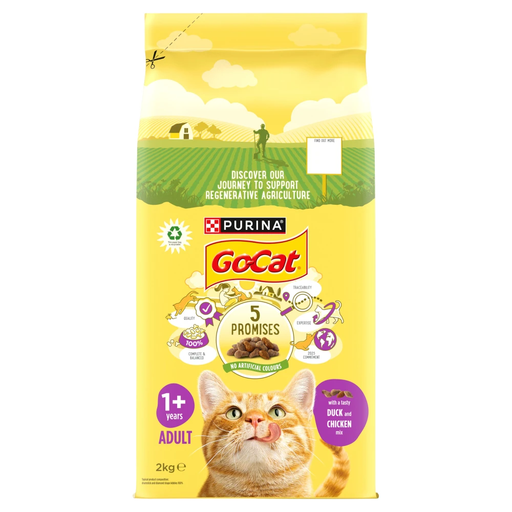
Why This Fits Their Persona: This is a practical choice for owners seeking a reliable and affordable daily food. The 2kg bag offers good value, and the formula provides all the essential nutrients for a healthy adult cat without a premium price tag.
It is clearly labelled as a "complete pet food", ensuring owners don't mistake it for a treat. It also specifies the percentage of chicken and duck, offering more transparency than vague "with meat" labels.
Provides 100% complete and balanced nutrition at an accessible price point. Contains essential taurine for heart and eye health.

Why This Fits Their Persona: This is for the owner who wants to tempt a picky cat with a high-quality, palatable meal. The high meat content and wet texture in convenient cat food pouches are often irresistible to even the fussiest felines.
The ingredient list is exceptionally clear, stating it contains 93% free-run chicken and grass-fed beef. This avoids the vague "meat derivatives" trap and shows a commitment to quality ingredients.
Extremely high, named meat content for palatability and nutrition. It's a grain-free cat food, making it suitable for cats with sensitivities.
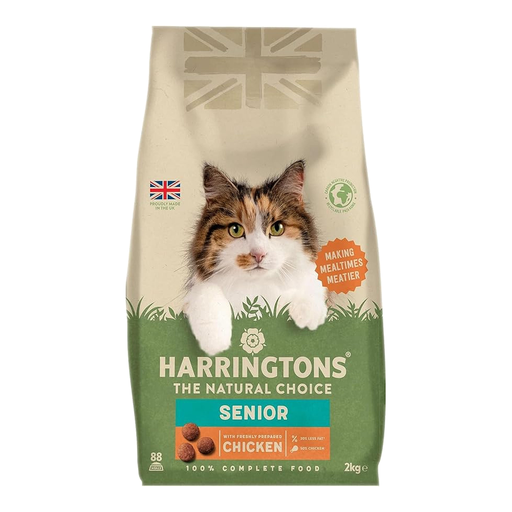
Why This Fits Their Persona: This food is specifically designed for the needs of older cats. Owners of senior pets are often looking for targeted nutritional support, particularly for mobility and digestion, which this formula provides.
This is a purpose-built senior cat food, not just a rebranded adult formula. It includes functional ingredients like glucosamine and chondroitin for joint support, moving beyond simple marketing claims to offer tangible benefits.
Tailored nutrition for cats aged 7+ with added joint support. The grain-free recipe is also beneficial for older cats who may have developed sensitivities.
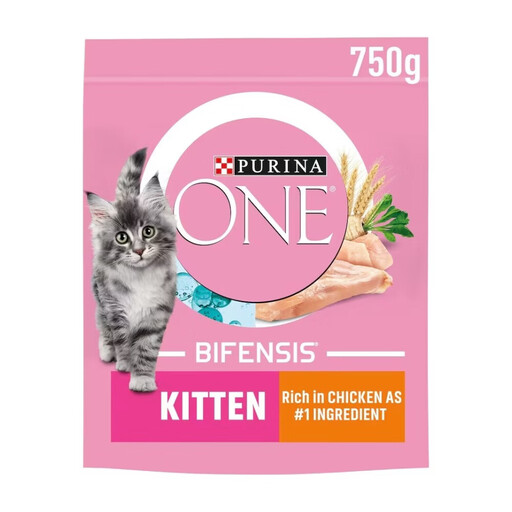
Why This Fits Their Persona: Perfect for those welcoming a new kitten home. This formula is packed with the high levels of protein and nutrients essential for healthy growth and development during a kitten's crucial first year.
This is a dedicated kitten food, not an "all life stages" food that compromises on specific needs. With chicken as the #1 ingredient and a high protein level (41%), it clearly demonstrates its quality and suitability for growing cats.
High protein content (41%) and added DHA to support healthy brain and vision development. Formulated for kittens from weaning to 12 months.
We have compiled a complete, real-time list of products that fully satisfy these strict selection criteria and UK safety regulations.
Sudden changes in diet can cause digestive upset. It's important to transition your cat to a new food gradually over 7-10 days. Start by mixing a small amount of the new food (around 25%) with their old food (75%). Every couple of days, increase the proportion of the new food until you have fully switched over.
Neither is inherently "better" as long as it is a complete and balanced food. Dry food is convenient and can help with dental health. Wet food is great for hydration and is often more appealing to picky eaters. Many owners find that a mixed-feeding approach, offering both wet and dry food, works well.
The feeding guide on the packaging is your starting point. These are general recommendations, so you may need to adjust the amount based on your cat's age, weight, breed and activity level. An active outdoor cat will need more calories than an indoor cat who spends most of the day sleeping. Monitor your cat's body condition and adjust portions as needed to maintain a lean, healthy weight.