
24/7 Customer Support

Free returns

Same-day & Next-day Delivery

Quality Guaranteed

Unlock Your Welcome Offers: FREE Delivery | Up to 80% OFF | Free 30-day JoyPlus trial
Download the APP
Navigating the cat food aisle, whether online or in-store, can feel overwhelming. With countless brands, formulas and marketing claims, it's easy to fall into common traps that lead to wasted money and a diet that isn't quite right for your feline companion. As a Joybuy Product Recommendation Officer, my role is to help you see past the hype and focus on what truly matters for your cat's daily nutrition.
Before you add anything to your basket, let's look at a few pitfalls that many UK cat owners encounter.
grain free cat food label is often marketed as a premium feature. While essential for cats with specific grain allergies or sensitivities, it isn't automatically superior for every cat. Some grain-free formulas simply replace grains with other starches like potato or pea flour, which may not offer a significant nutritional advantage. The focus should be on the overall quality and digestibility of the ingredients, not just the absence of one type.Kitten food is calorie-dense to fuel growth, while senior cat food is often lower in calories and may contain supplements for joint health. Using the wrong life-stage formula can lead to weight issues or nutritional deficiencies.To make an informed choice, focus on these key factors rather than just the front-of-pack claims.
The ingredients are listed by weight, so the first few items make up the bulk of the food. Look for a clearly named meat source (e.g., "Chicken," "Duck," "Turkey") as the first ingredient. Vague terms like "meat and animal derivatives" are less specific, though they are a standard component in many complete foods. A higher percentage of named meat generally indicates a more protein-rich formula. This is particularly important when choosing a chicken cat food or other specific flavour.
The choice between wet cat food and dry cat food depends on your cat's health, preferences and your lifestyle.
Dry Cat Food (Kibble):
bulk cat food. The crunchy texture can help reduce tartar build-up on teeth. It's also easier to store and can be left out for cats who prefer to graze.Wet Cat Food (Pouches & Tins):
cat food pouches ensure freshness at every meal.Many owners find a mixed-feeding approach, offering both wet and dry food, provides a good balance of benefits.
A cat's nutritional requirements change significantly throughout its life.
kitten food formulas that also contain DHA for brain and eye development.senior cat food formulas may also include ingredients like glucosamine for joint support and are often formulated to be more easily digestible.Based on these practical considerations, here are a few options from our catalogue matched to different owner profiles.
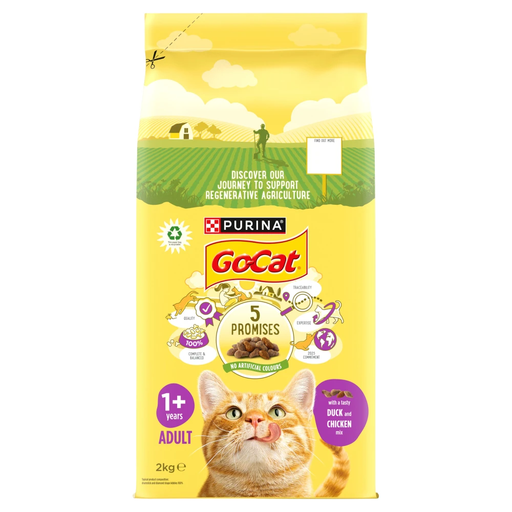
Why this is a good fit: This provides a 100% complete and balanced diet in a cost-effective 2kg bag. It's ideal for households managing a budget without compromising on the essential daily nutrients for their adult cat.
It is clearly labelled for adult cats, avoiding the one-size-fits-all pitfall. The composition is stated on the pack, providing transparency on its blend of animal and plant-based proteins.
Offers a balance of essential minerals and vitamins for everyday health at an accessible price point. The larger bag size is convenient for stocking up.
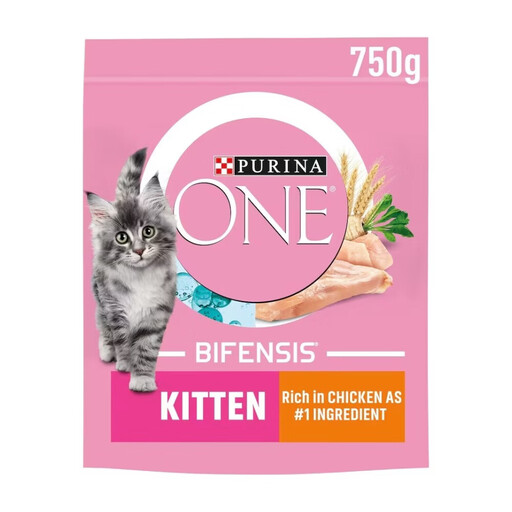
Why this is a good fit: This formula is specifically designed for the high-energy and developmental needs of kittens up to 12 months, taking the guesswork out of providing the right nutrition during their crucial first year.
It directly counters the "one-size-fits-all" trap by providing a high-protein (41%) and DHA-enriched formula that is crucial for growth, which standard adult foods lack.
Features chicken as the main ingredient to support healthy muscle development. It also contains dried chicory root, a natural prebiotic, to aid digestive health.
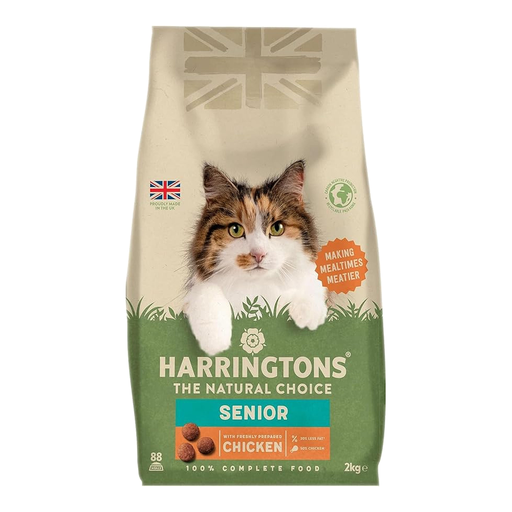
Why this is a good fit: This food is tailored for cats aged 8 years and over, addressing common senior concerns like joint stiffness and digestive sensitivity with a thoughtful, complete formula.
This is a purposeful grain-free recipe designed for older, potentially sensitive cats. It moves beyond generic nutrition by including specific joint support ingredients, directly countering the one-size-fits-all approach.
Contains glucosamine and chondroitin to support ageing joints. The grain-free formula with prebiotics is also designed to be gentle on a senior cat's digestive system.
We have compiled a complete, real-time list of products that fully satisfy these strict selection criteria and UK safety regulations.
To avoid digestive upset, transition your cat to a new food gradually over 7-10 days. Start by mixing a small amount of the new food (around 25%) with their old food (75%). Slowly increase the proportion of the new food every couple of days until you have fully switched over.
Dry kibble can provide a mechanical cleaning action that helps to scrape away plaque and tartar as the cat chews. Wet food does not offer this benefit. However, good dental health also depends on genetics, regular vet check-ups and potentially dental-specific treats or care routines. Neither food type is a complete substitute for dental care.
The correct amount depends on your cat's age, weight, body condition and activity level. Every pack of cat food includes a feeding guide with recommended daily portions. Use this as a starting point and adjust as needed to maintain a lean, healthy body weight. If you are unsure, your vet can provide a tailored recommendation.