
24/7 Customer Support

Free returns

Same-day & Next-day Delivery

Quality Guaranteed

Unlock Your Welcome Offers: FREE Delivery | Up to 80% OFF | Free 30-day JoyPlus trial
Download the APP
Finding the right cat litter tray can feel like a surprisingly complex task. From litter tracked across the floor to persistent odours and fussy felines who refuse to use their new toilet, the challenges are familiar to many UK pet owners. A well-chosen litter tray can make a significant difference to the cleanliness of your home and the comfort of your pet.
As the Joybuy Product Recommendation Officer, my role is to help you navigate the options. This guide cuts through the clutter, focusing on practical features and designs to help you find a solution that works for your cat, your home and your lifestyle. We will look at different types, from basic open trays to more advanced enclosed models, to help you make an informed choice.
Before jumping into specific products, let's consider a few key factors. Thinking about these points will help you narrow down what you and your pet truly need.
The most fundamental choice is between an open top cat litter tray and an enclosed cat litter box.
A common mistake is choosing a tray that is too small. A good rule of thumb is to select a tray that is at least 1.5 times the length of your cat, from nose to the base of their tail. This gives them enough room to turn around and dig comfortably.
For those with limited floor space, a rabbit corner litter tray can be a clever solution, not just for small pets but also for tucking a cat's toilet neatly out of the way. These are also, of course, an ideal small animal toilet for pets like rabbits and guinea pigs.
Daily scooping and regular full cleans are essential for hygiene. Features that simplify this process are worth considering. High sides help contain mess, while smooth, non-porous plastic is easier to wipe down. For ultimate convenience, a pull-out litter tray allows you to refresh the litter without having to dismantle a heavy, hooded unit.
Based on functionality, user-friendliness and design, here are our recommendations that address common pet owner needs.

Why It Stands Out: This enclosed cat litter box from Feandrea thoughtfully combines several key features into one modern package. It tackles odour, litter tracking and cleaning difficulty simultaneously. The top-entry option has a grated surface that helps dislodge litter from your cat's paws, letting it fall back into the tray.
Pros:
Who is it for? This is an excellent choice for cat owners in flats or houses who prioritise cleanliness and odour control. It's particularly suited for those with cats that are vigorous diggers or anyone who finds cleaning traditional hooded trays cumbersome.
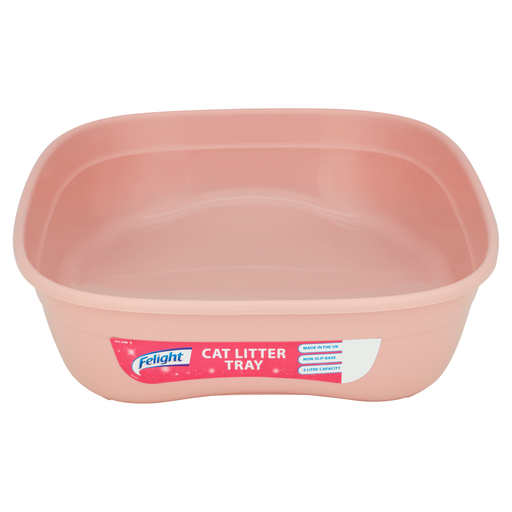
Why It Stands Out: Sometimes, a simple, effective solution is all you need. The Felight Cat Litter Tray is a classic open top cat litter tray that delivers on the basics. Its no-frills design is approachable for any cat and incredibly easy to maintain.
Pros:
Who is it for? This tray is perfect for value-conscious pet owners, those with kittens or senior cats or anyone whose cat has shown a clear preference for open-style trays. It's a reliable, straightforward choice.
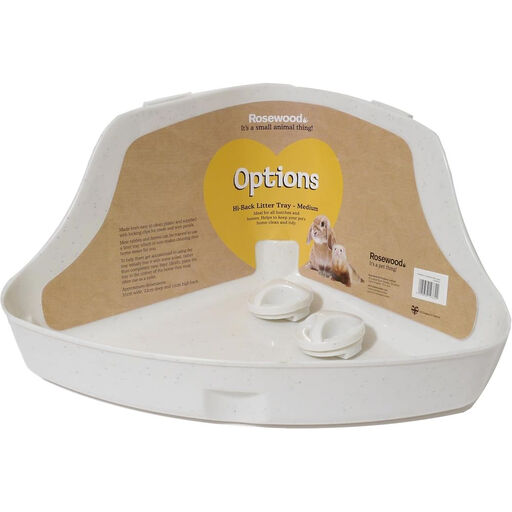
Why It Stands Out: This product is specifically designed as a small animal toilet. Its clever corner shape maximises living space within a cage, promoting better hygiene for pets like rabbits, guinea pigs and ferrets.
Pros:
Who is it for? This is the go-to choice for owners of rabbits, guinea pigs, ferrets and other small animals who want to encourage their pet to use a designated toilet area, making cage maintenance much easier.
Every pet is an individual, and the perfect solution for one might not suit another. If you're looking for a different size, a specific colour to match your decor or an automatic self-cleaning model, there are many other choices available.
Explore our full collection of pet litter trays to find the ideal match for your home and pet.Browse All Pet Litter Trays
This depends on the type of litter you use and how many cats you have. For non-clumping litter, a full replacement once or twice a week is standard. With clumping litter, you can often go 2-4 weeks between full changes, provided you are scooping out waste clumps daily. Always remove solid waste at least once a day for optimal hygiene.
Cats prefer a location that is quiet, low-traffic and offers a sense of security. Choose a spot where your cat won't be startled and has a clear view of the room. It's also important to keep the litter tray away from their food and water bowls.
First, check the cleanliness of the tray, as cats are very particular about hygiene. A sudden change in litter type, tray location or household stress (like a new pet or visitor) can also be a cause. If the tray is clean and nothing obvious has changed, it is always recommended to consult with your vet to rule out any underlying health issues, such as a urinary tract infection.