
24/7 Customer Support

Free returns

Same-day & Next-day Delivery

Quality Guaranteed

Unlock Your Welcome Offers: FREE Delivery | Up to 80% OFF | Free 30-day JoyPlus trial
Download the APP
As a cat owner in the UK, navigating the world of cat litter can be surprisingly complex. The shelves are filled with options, each promising a cleaner home and a happier cat. However, many of these claims can be misleading, leading to wasted money and a litter box your feline friend refuses to use. As your Joybuy Product Recommendation Officer, my role is to help you see past the marketing and focus on what truly matters for you and your pet. Let's break down the common pitfalls and identify the key features to look for.
Before you add anything to your basket, be aware of these frequent marketing traps that can cause more trouble than they're worth.
Many modern litters, especially some tofu cat litter and plant-based varieties, are advertised as flushable. While convenient in theory, this can be a costly mistake. The UK's plumbing infrastructure, particularly in older properties, was not designed to handle the solid, clumping materials found in cat litter. Flushing even small amounts can contribute to blockages in your home's pipes or the wider sewage system, leading to expensive plumbing bills. Always check with your local water authority before considering flushing any pet waste.
A strong, perfumed scent does not equal effective cat litter for odour control. In fact, heavily scented litters often just mask unpleasant smells with artificial fragrances. Cats have incredibly sensitive noses and can be deterred by strong perfumes, sometimes leading them to avoid the litter box altogether. True odour control comes from a litter's ability to rapidly absorb moisture and neutralise ammonia, not from an overpowering floral or "fresh linen" scent.
The claim of a "100% dust-free" litter is difficult to substantiate. While many modern litters have made huge strides in this area, almost all will produce a small amount of dust, especially when being poured. For most households this isn't an issue, but for cats with respiratory sensitivities or family members with allergies, finding a genuinely low dust cat litter is crucial. Look for products made from materials that are specifically processed to minimise dust, such as certain plant fibres or washed clay particles.
To make an informed choice, focus on these core parameters that determine a litter's performance.
The material is the single most important factor, influencing everything from absorbency to environmental impact.
This choice comes down to your cleaning preference and your cat's habits.
Forget artificial scents. The key to a fresh-smelling home is a highly absorbent cat litter. Materials that quickly lock away moisture prevent the bacteria from breaking down urea into ammonia—the source of that distinctive, unpleasant smell. Litters with activated carbon, or those made from naturally absorbent materials like pine wood or cassava, are particularly effective at neutralising odours at the source.
Based on these practical considerations, here are a few options from our catalogue that are well-suited to different UK households.
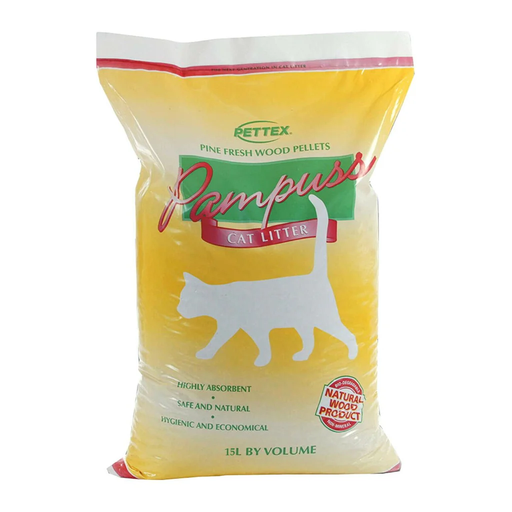
Why This Fits Their Persona: This is an ideal choice for those prioritising sustainability. Made from recycled wood residues, it's a fully biodegradable and natural cat litter. The natural pine scent provides odour control without artificial perfumes, aligning with an eco-friendly lifestyle.
It relies on the natural scent of pine for odour control, not heavy perfumes. As a non-clumping litter, it is not marketed as flushable, avoiding potential plumbing issues.
High absorbency from natural wood fibres effectively manages moisture. It is also lightweight and processed for low dust levels.
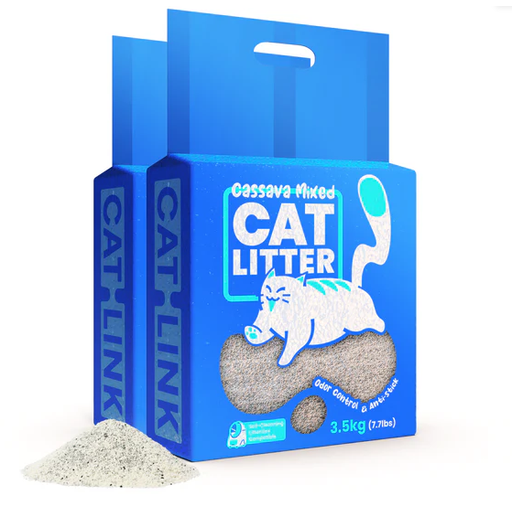
Why This Fits Their Persona: For households where respiratory sensitivity is a concern, this litter is a strong candidate. It is described as virtually dust-free and is unscented, making it suitable for cats or owners with allergies. The natural material base adds peace of mind.
It directly addresses the "dust-free" promise by focusing on a "virtually dust-free" formulation, which is a more realistic claim. It is also unscented, avoiding the perfume trap entirely.
Its main benefits are the low-dust quality and fast-clumping action. The blend of bentonite and cassava provides strong clumping without added fragrances.
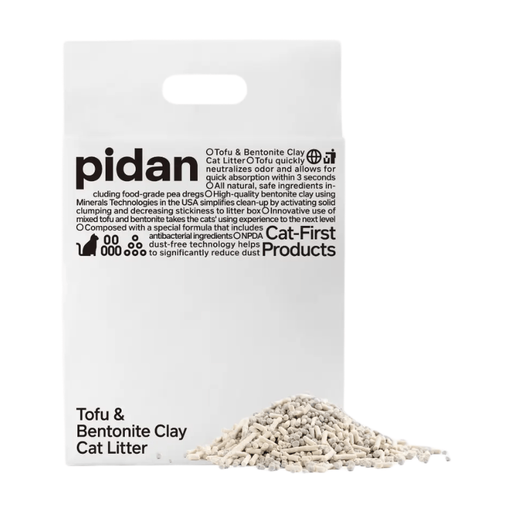
Why This Fits Their Persona: For those in busy households who value quick and easy clean-up, this mixed litter is a practical solution. The combination of tofu and bentonite creates firm, easy-to-scoop clumps, while the multi-pack format means fewer shopping trips.
It provides a clear warning about flushing: "Flushable in small amounts only." This responsible guidance helps users avoid the "flushable" trap and potential plumbing disasters.
The dual-blend formula offers the benefits of both materials: the lightweight, absorbent nature of tofu and the strong clumping power of bentonite clay.
We have compiled a complete, real-time list of products that fully satisfy these strict selection criteria and UK safety regulations.
This depends on the type of litter and the number of cats you have. For clumping litter, you can often go 2-4 weeks between full changes, provided you are scooping waste daily. For non-clumping litter, a full replacement is typically needed at least once a week for a single cat to maintain hygiene and control odours.
Yes, mixing litters can be a great strategy. It is often recommended when transitioning your cat from an old litter to a new one to help them adjust. You can start with a 75/25 mix of old to new, gradually increasing the proportion of the new litter over a week or two.
Many types of plant-based cat litter are excellent for odour control. Materials like pine wood have natural antimicrobial properties and a fresh scent. Others, like tofu and cassava, are highly absorbent and clump quickly, trapping odours effectively. They are a strong alternative to traditional clay litters.