
24/7 Customer Support

Free returns

Same-day & Next-day Delivery

Quality Guaranteed

Unlock Your Welcome Offers: FREE Delivery | Up to 80% OFF | Free 30-day JoyPlus trial
Download the APP
Selecting the right cat litter can feel surprisingly complex. With so many options on the market, it's easy to get lost in promises of perfect odour control, zero tracking and effortless cleaning. As a cat owner, you want a solution that keeps your home fresh, your cat happy and your cleaning routine simple. Whether your priority is environmental sustainability, managing allergies or finding a powerful clumping formula for a multi-cat household, making an informed choice is key.
This guide is designed to cut through the clutter. We will walk you through the essential factors to consider when buying cat litter in the UK and present a few standout options that cater to different needs.
Before you decide, it helps to understand the main differences between the types of litter available. Focusing on a few key areas can simplify your search and lead you to a product that works for both you and your pet.
The material of a cat litter is its most fundamental feature, influencing everything from absorbency and weight to its environmental impact.
Beyond the base material, specific features determine the day-to-day experience of using a cat litter.
Based on common user needs and product features, here are our recommendations to help you find a suitable match for your home.
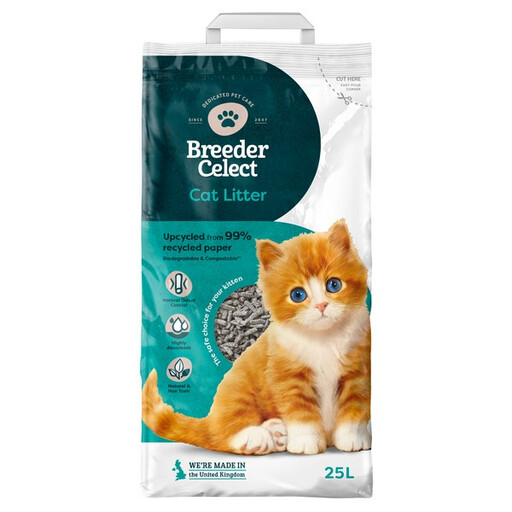
Why It Stands Out: This UK-made litter is an excellent choice for the environmentally conscious cat owner. Made from 100% recycled newspapers, it’s fully biodegradable and free from harmful additives. Its pellet form is highly absorbent and gentle on a cat's paws.
Pros:
Who is it for? This is a great fit for cat owners seeking an eco-friendly cat litter that is also gentle enough for kittens and cats with sensitive paws. Its low-dust nature makes it a strong candidate for anyone concerned about respiratory health.
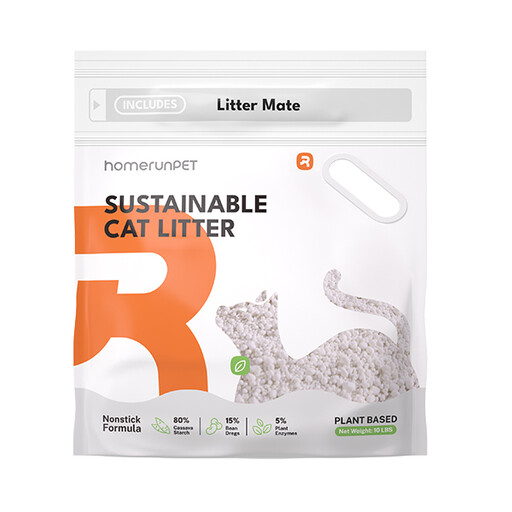
Why It Stands Out: This innovative litter uses a plant-based formula with 80% tapioca starch. It is engineered for performance, offering fast, tight clumping that doesn't stick to the bottom of the tray. This makes scooping exceptionally clean and easy.
Pros:
Who is it for? Ideal for cat owners who want the convenience of a high-performance clumping cat litter but prefer a natural cat litter alternative to clay. Its non-stick and low-dust properties are perfect for those who value a clean and hassle-free maintenance routine.
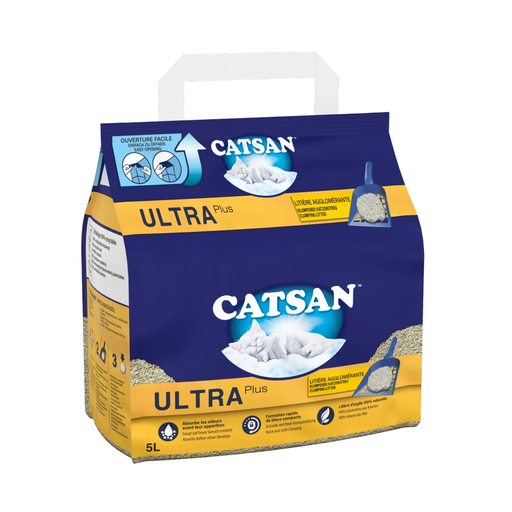
Why It Stands Out: This litter uses absorbent mineral granules to deliver on two key fronts: strong clumping and effective odour control. It forms firm, easy-to-scoop clumps and works to neutralise ammonia smells, keeping the litter tray area noticeably fresher.
Pros:
Who is it for? A practical choice for cat owners who prioritise convenience and powerful odour neutralisation. Its reliable clumping action makes it well-suited for busy individuals and multi-cat households where the litter tray sees frequent use.
While clumping litters offer convenience, they aren't the right choice for every cat or owner. Some cats prefer the texture of non-clumping pellets and some owners prefer a simpler system that involves a full tray change every few days. If this sounds like a better fit for your routine, there are many excellent absorbent options available.
Explore our full range of non-clumping cat litter to find the perfect fit for your feline friend.
This depends on the type of litter and how many cats you have. For clumping cat litter, you should scoop out waste daily and top up as needed. A full tray replacement is typically recommended every 2-4 weeks. For non-clumping litter, solid waste should still be removed daily, but you will need to replace the entire tray of litter every few days to a week, as it becomes saturated.
Clumping litter contains agents (like bentonite in clay litters) that cause it to form solid lumps when it absorbs urine. This allows you to remove only the soiled litter. Non-clumping litter absorbs urine without forming lumps, acting more like a sponge. It requires more frequent full changes to maintain hygiene.
If you or your cat have allergies or respiratory sensitivities, look for a dust-free cat litter or one labelled as "low-dust". Materials like recycled paper pellets, tapioca or certain wood-based litters tend to produce significantly less dust than traditional clay litters, making them a more comfortable choice.