Joybuy Insights

Choosing the Right Cat Litter: A UK Guide to Avoiding Costly Pitfalls

Navigating the world of cat litter can feel surprisingly complex. With shelves full of different materials, scents and promises, it's easy to end up with a product that creates more problems than it solves. A bad choice can lead to unpleasant odours, dust-covered furniture and a fussy cat who avoids the litter tray altogether. As your Joybuy Product Recommendation Officer, my role is to help you sidestep the marketing jargon and focus on what truly matters for a clean home and a happy cat.

Before you make your next purchase, be aware of these common pitfalls that many UK cat owners fall into:

  1. The "Total Odour Control" Trap: Many litters rely on heavy perfumes to mask smells. This works for a day or two, but once the fragrance fades, the underlying ammonia odour returns with a vengeance. True odour control cat litter works by absorbing and neutralising odours at a molecular level, not just covering them up.
  2. The "Low Dust" Illusion: A bag might claim to be low dust cat litter, but this often only applies when you first pour it. The real test is when your cat digs and when you scoop. Poor quality clay or mineral litters can break down into fine powder, coating your surfaces and affecting air quality, which is a particular concern for those with respiratory sensitivities.
  3. The Vague "Eco-Friendly" Label: With a growing desire for sustainable products, many litters are marketed as 'natural' or 'eco-friendly'. However, these terms can be misleading. A truly eco-friendly cat litter should be made from sustainable or recycled materials and be genuinely biodegradable cat litter, not just derived from a natural source that doesn't break down.

Decoding the Essentials: What Really Matters in a Cat Litter

To make an informed choice, it helps to understand the core features that determine a litter's performance. Focusing on these parameters will ensure you get a product that fits your lifestyle and your cat's needs.

Clumping vs. Non-Clumping: A Practical Breakdown

This is the most fundamental choice you'll make. There is no right or wrong answer; it depends entirely on your cleaning preference and routine.

  • Clumping Cat Litter: This type of litter, typically made from bentonite clay or certain plant fibres, forms solid, scoopable lumps when it comes in contact with liquid. This allows for daily removal of waste, keeping the rest of the litter fresh for longer. It's often a convenient choice for single-cat households where the litter tray is used less frequently.
  • Non-Clumping Cat Litter: Usually made from wood pellets, paper or absorbent minerals, this litter absorbs urine without forming hard clumps. The entire tray needs to be emptied and cleaned more regularly, but it can be more absorbent overall. Many owners of kittens prefer non-clumping cat litter as a precaution, as young cats can sometimes ingest litter particles.

Material Matters: From Clay to Plant-Based Options

The material dictates a litter's weight, texture, absorbency and environmental impact.

  • Clay: The traditional choice. Bentonite clay offers excellent clumping but can be heavy to carry and prone to dust.
  • Wood Pellets: A popular natural cat litter option. Wood pellet cat litter is highly absorbent, offers natural odour control with a pine scent and is often biodegradable. It's typically a non-clumping variety.
  • Silica Gel Crystals: These are lightweight and highly absorbent, requiring less frequent changes. However, some cats dislike the texture and they are not a biodegradable option.
  • Plant-Based (Tofu, Corn, Cassava, Paper): This category is growing rapidly. Options like tofu cat litter are often lightweight, virtually dust-free and can sometimes be flushed in very small quantities (always check local regulations first). They are an excellent choice for the eco-conscious owner.

Health and Hygiene: Dust, Scents and Additives

For a healthy home, look beyond basic absorbency.

  • Dust Level: A genuinely low-dust formula is crucial for cats and owners with asthma or allergies. Plant-based and some premium clay litters perform well here.
  • Scent: Unscented litters are generally preferred by cats, whose sense of smell is far more sensitive than ours. If you prefer a scent, choose one that is light and derived from natural sources.
  • Antibacterial Properties: Some litters incorporate antibacterial cat litter agents, like silver ions or activated carbon, to inhibit bacterial growth and further help with odour control.

Top Recommendations for Every Need

To help you narrow down the options, we've matched some popular choices to different owner profiles based on their key features.
MATCH FOR: The Value-Conscious Household
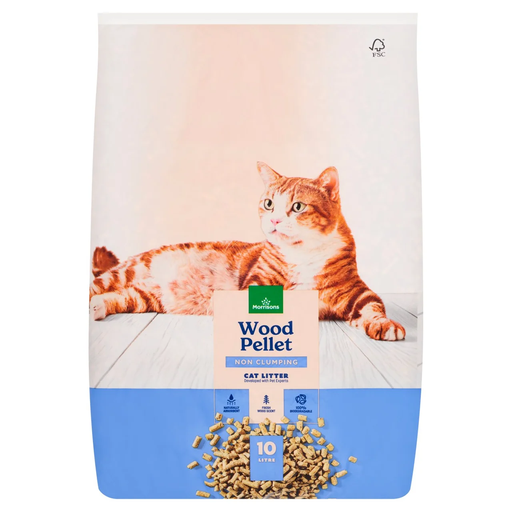
Morrisons Non Clumping Wood Pellet Cat Litter 10 Litres

Morrisons Non Clumping Wood Pellet Cat Litter 10 Litres

Why This Fits Their Persona: This is a straightforward, no-frills option that delivers on the basics. For households looking for a cost-effective solution, this UK-sourced wood pellet litter provides good absorbency and natural odour management without a high price tag.

How It Avoids the Trap

It sidesteps the "Odour Control Trap" by using the natural pine scent of wood to manage smells, rather than artificial perfumes that fade. It's also naturally lower in dust than many budget clay litters.

Key Advantage & Pros

Made from natural wood materials, it's a highly absorbent and economical choice. The fresh wood scent is a pleasant, natural alternative to chemical fragrances.
MATCH FOR: The Health-Conscious Owner
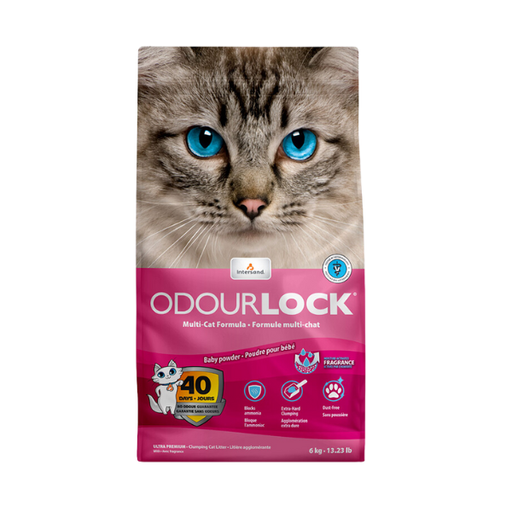
Intersand Odourlock Baby Powder Cat Litter 6kg

Intersand Odourlock Baby Powder Cat Litter 6kg

Why This Fits Their Persona: For those living in smaller spaces or concerned about air quality, this litter focuses on performance. Its main features are advanced odour-neutralising technology and a low-dust formula, prioritising a clean and healthy indoor environment.

How It Avoids the Trap

It directly counters the "Odour-Free Myth" by using technology to trap and neutralise ammonia, not just mask it. It also addresses the "Dust-Free Illusion" with a composition specifically designed to reduce airborne particles.

Key Advantage & Pros

The fast-clumping action makes scooping clean and simple, while the low-dust formula helps protect respiratory health for both cats and humans.
MATCH FOR: The Eco-Minded Cat Parent
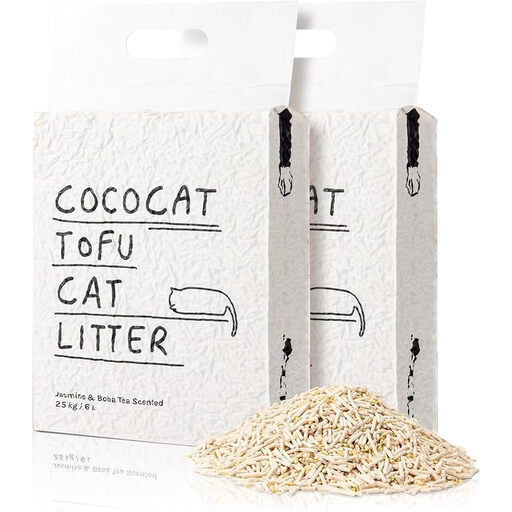
Cococat tofu cat litters -2 *2.5kg

Cococat tofu cat litters -2 *2.5kg

Why This Fits Their Persona: This litter is made from pea fibre and millet, making it a plant-based, natural choice. It's lightweight, clumps quickly for easy cleaning and is designed to be low-tracking, ticking all the boxes for convenience and sustainability.

How It Avoids the Trap

It avoids the "Vague Eco-Label" trap by being made from specific, plant-based ingredients. Its fast-clumping and low-dust properties also make it a high-performance product, not just an environmental statement.

Key Advantage & Pros

The 99.9% dust-free pellets are gentle on paws and protect sensitive airways. The fast-clumping action forms tight, non-stick clumps for easy scooping and disposal.

Looking for More Options?

We have compiled a complete, real-time list of products that fully satisfy these strict selection criteria and UK safety regulations.

Frequently Asked Questions

How often should I completely change the cat litter?

This depends on the type of litter and how many cats you have.

  • For clumping litter, you should scoop out waste daily and top up as needed. A full change and tray wash is typically recommended every 2-4 weeks.
  • For non-clumping litter, after removing solid waste, the absorbent material will become saturated over time. A complete change is usually required at least once a week to maintain hygiene and control odours.

Can you flush cat litter down the toilet in the UK?

It is strongly advised not to flush any cat litter, even those marketed as "flushable", down the toilet in the UK. Our wastewater systems are not designed to handle the materials in cat litter, particularly clumping agents like bentonite clay, which can solidify and cause severe blockages. Additionally, cat waste can contain parasites that may not be eliminated by water treatment plants. Always dispose of used litter in your household waste.

Is wood pellet cat litter better than clay?

Neither is inherently "better"; they just serve different needs. Wood pellet litter is a great natural, biodegradable and absorbent option with good odour control, but it is non-clumping. Clay litter offers superior clumping for easy spot-cleaning but can be dusty and is much heavier. The choice comes down to whether you prioritise clumping convenience or a natural, lightweight material.