
24/7 Customer Support

Free returns

Same-day & Next-day Delivery

Quality Guaranteed

Unlock Your Welcome Offers: FREE Delivery | Up to 80% OFF | Free 30-day JoyPlus trial
Download the APP
As a cat owner in the UK, you know that choosing the right cat litter is about more than just finding something to fill a tray. It’s a decision that impacts your home’s cleanliness, your cat’s health and even your environmental footprint. The market is flooded with options, each making bold claims. But how do you separate genuine performance from clever marketing?
My role as Joybuy’s Product Recommendation Officer is to help you navigate this landscape. We’ll look past the hype and focus on what truly matters, helping you avoid common purchasing mistakes and find a solution that works for you and your feline companion.
Many cat owners find themselves disappointed with their purchase because they’ve fallen for one of these common marketing pitfalls.
To make an informed choice, focus on these three fundamental parameters. They will determine the litter's performance, your cleaning routine and your cat's comfort.
The raw material is the single most important factor. Each type offers a different balance of features.
This choice dictates your daily maintenance routine.
A clean home and healthy air are top priorities for many cat owners.
Instead of a one-size-fits-all approach, we've matched a few standout options to different UK cat owner profiles.

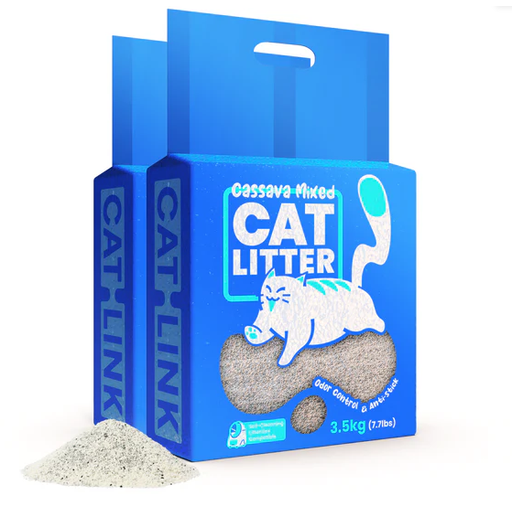
Why This Fits Their Persona: This owner prioritises natural, plant-based materials and a low-allergen environment. This litter, made from cassava and corn, is a perfect fit. It's gentle on paws and suitable for households with automatic litter trays and sensitivities to dust or artificial scents.
It sidesteps the "dust-free illusion" by offering a genuinely low dust formula (under 0.5%). It also avoids the "flushable fallacy" by clearly stating it is not flushable, encouraging responsible disposal.
Forms dense, solid clumps ideal for automatic litter boxes. The fine, rounded granules are comfortable for cats, encouraging proper litter box use.
Why This Fits Their Persona: For those living in smaller spaces or with multiple cats, powerful odour control and fast, easy cleaning are non-negotiable. This litter's blend of materials is designed for high performance in both areas.
It counters the vague "odour lock" myth with a specific, verifiable mechanism: a formula containing baking soda and activated carbon to actively neutralise odours at the source, rather than just masking them.
Its rapid clumping action (forming clumps in as little as 2 seconds) makes daily scooping incredibly efficient and prevents urine from reaching the bottom of the tray, which is a primary cause of persistent smells.
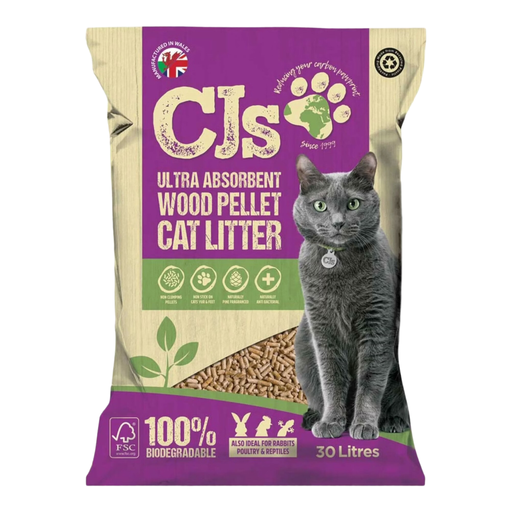
Why This Fits Their Persona: This owner values natural materials and sustainability but also needs an economical solution. A large, 30-litre bag of wood pellet cat litter provides excellent value for money without compromising on being a natural, biodegradable product.
This is an honest, non-clumping litter. It doesn't pretend to be something it's not, avoiding the issue of weak or messy clumps found in some budget clumping litters. Its odour control comes from the natural properties of pine, not artificial scents.
Highly economical due to the large bag size. It is also 100% natural and biodegradable cat litter, making it a responsible choice for the environmentally conscious consumer on a budget.
We have compiled a complete, real-time list of products that fully satisfy these strict selection criteria and UK safety regulations.
1. How often should I completely change the cat litter? This depends on the type of litter and the number of cats you have. For clumping cat litter, if you are scooping daily, a full change is typically needed every 2-4 weeks. For non-clumping litters like wood pellet cat litter, you may need to change the entire tray weekly, or as soon as it becomes saturated and odorous.
2. Can you mix different types of cat litter? Yes, mixing litters can be a great strategy. It is often used to gradually transition a fussy cat from an old litter to a new one. You can also mix a small amount of a high-performance litter (like one with activated carbon) into a more basic litter to boost its odour-controlling properties.
3. Is wood pellet cat litter safe for kittens? Generally, yes. Pine cat litter is natural and non-toxic. However, ensure the pellets are not overly large or sharp for a kitten's delicate paws. As with any new product, it is wise to supervise your kitten initially to ensure they are not trying to eat the pellets.