
24/7 Customer Support

Free returns

Same-day & Next-day Delivery

Quality Guaranteed

Unlock Your Welcome Offers: FREE Delivery | Up to 80% OFF | Free 30-day JoyPlus trial
Download the APP
The cereal bar aisle can feel like a minefield. With packaging that shouts about "natural goodness," "high protein" and "wholegrain energy," it’s easy to think you’re making a healthy choice. Yet, many of us have been caught out, buying a box of what are essentially biscuits masquerading as a wholesome snack.
Navigating the world of cereal bars requires a bit of savvy to see past the marketing buzz. Many well-intentioned shoppers fall into a few common traps, leading to choices that don't align with their health or lifestyle goals. Before you make your next purchase, let's look at the pitfalls to avoid.
To choose wisely, you need to look beyond the front-of-pack claims and focus on the details in the nutritional information and ingredients list. Here are the key parameters to analyse.
This is the most important factor. Turn the pack over and look for two things: the "Carbohydrates (of which sugars)" value per 100g and per bar and where sugar appears on the ingredients list.
For a truly satisfying and functional snack, the quality of the protein and fibre is crucial.
Finally, consider who the bar is for and when it will be eaten.
Based on these practical criteria, here are some recommendations matched to different needs and lifestyles.
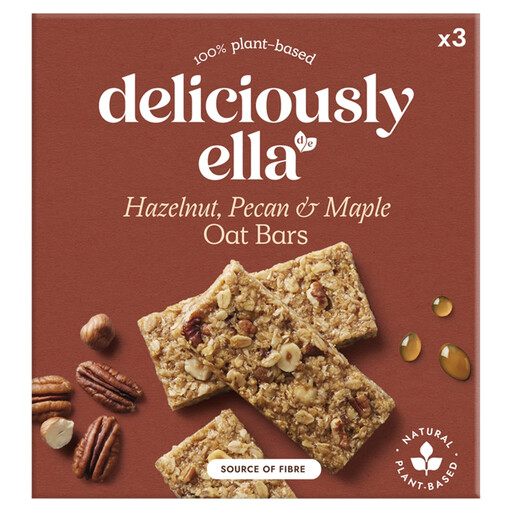
Why This Fits Their Persona: This is for someone who prioritises a clean, recognisable ingredients list. It's built on a base of gluten-free oats and packed with nuts, using natural sweeteners like maple and date syrup instead of refined sugars or artificial additives.
It sidesteps the "Fibre Fallacy" by deriving its fibre content from whole gluten-free oats (46%) and nuts, not from added, isolated fibres. It's transparent about its sugar sources.
Made with plant-based, whole-food ingredients. Certified gluten-free, making it a reliable choice for those with coeliac disease or a gluten intolerance.

Why This Fits Their Persona: This bar is designed for those who need a functional snack to support an active lifestyle. It delivers a significant protein punch to aid muscle recovery and keep hunger at bay after a gym session or a long run.
It directly counters the "Misleading Protein Promise" by delivering a substantial 10g of protein per 40g bar. The protein content is a core feature, not an afterthought.
High in protein (25.6g per 100g) from peanuts and soy isolate. It is also a good source of fibre, contributing to satiety.

Why This Fits Their Persona: Ideal for someone seeking a light, portion-controlled snack to manage cravings without a high calorie cost. It's a convenient and familiar option for an afternoon pick-me-up at the office or on the go.
It avoids the trap of being a high-calorie bar disguised as a health food. Its purpose is clear: to be a lighter, controlled treat. The small 21.5g bar size keeps the absolute sugar and calorie count low per serving.
Very low calorie count at 83 kcal per bar. It is also fortified with B vitamins (Niacin, B6, Folic Acid) and Iron.
We have compiled a complete, real-time list of products that fully satisfy these strict selection criteria and UK safety regulations.
It depends entirely on the bar. Many traditional breakfast bars are high in sugar and lack the protein and fibre needed to keep you full until lunch, making them a poor substitute for a balanced meal. If you need a quick breakfast on the go, look for a bar with whole oats as the first ingredient, over 8g of protein and under 10g of sugar. They are best used as an occasional convenient option rather than a daily meal replacement.
While there is no official government rule, a practical guideline for a healthy snack bar is to aim for less than 10 grams of sugar per serving. For a more direct comparison between products, check the 'of which sugars' value per 100g. If a bar has over 25g of sugar per 100g, it's entering confectionery territory. Also, check the ingredients list—if sugar or a syrup is one of the first two ingredients, it's a high-sugar product.
It's wise to be selective. For lunchbox snacks, choose smaller, portion-controlled bars with lower sugar content. Some dense granola bars or nut-heavy bars can be very hard, which may pose a challenge for young children. Always check the packaging for any specific age recommendations and consider softer, baked oat bars as a suitable alternative for school lunches.