
24/7 Customer Support

Free returns

Same-day & Next-day Delivery

Quality Guaranteed

Unlock Your Welcome Offers: FREE Delivery | Up to 80% OFF | Free 30-day JoyPlus trial
Download the APP
Cereal bars have become a staple in the UK for a reason. Whether you need a quick breakfast on your commute, a simple lunchbox filler or a post-workout boost, their convenience is undeniable. However, the sheer variety of snack bars on the shelves can be overwhelming, and it's easy to fall into common purchasing traps that leave you with a product that doesn't meet your needs.
As a Joybuy Product Recommendation Officer, my role is to help you see past the marketing clutter. Many shoppers find themselves choosing bars that sound healthy but are packed with hidden sugars or paying a premium for "protein" that isn't there. Before you add that next cereal bar multipack to your basket, let's look at the pitfalls to avoid.
To make a smart choice, focus on the facts on the label, not the claims on the front. Here are the three most important parameters to analyse.
This is the most critical factor. Sugar provides a quick energy spike, but too much can lead to a crash later. Ignore the per-100g value and find the "of which sugars" figure for a single bar. For a regular snack, aiming for a bar with under 10g of sugar is a practical benchmark. Be mindful of ingredients like glucose syrup, invert sugar syrup and honey, as these are all forms of sugar.
For sustained energy release and a feeling of fullness, look for bars with a high content of wholegrains and fibre. Ingredients are listed in order of weight, so you want to see ingredients like wholegrain oats, wholewheat flour or bran near the top of the list. These complex carbohydrates are digested more slowly, making oat bars a solid choice for a lasting breakfast bar.
If you're specifically looking for protein bars to support an active lifestyle, the amount of protein is key. A bar with 10g or more of protein per serving can be considered a significant source. Check the ingredients for quality protein sources such as soy protein isolate, nuts or seeds. If a bar has less than 5g of protein, it's functioning more as a standard energy bar.
Instead of a one-size-fits-all approach, we've matched some options to specific needs, helping you find a bar that genuinely fits your lifestyle.

Why This Fits Their Persona: Ideal for fitness enthusiasts or anyone needing a substantial snack, this bar is specifically formulated to deliver a high dose of protein to aid recovery and curb hunger after a workout.
It sidesteps the "underwhelming protein" trap by clearly providing 10g of protein per bar, a meaningful amount that justifies its positioning as a protein-focused snack.
Combines roasted peanuts and soy protein isolate for a high protein content. It is also a good source of fibre, contributing to satiety.

Why This Fits Their Persona: A practical choice for parents packing lunches or seeking a lighter snack. It is portion-controlled, individually wrapped and fortified with vitamins, offering a convenient and more balanced treat.
This bar avoids the "per-100g deception" by being a small, low-calorie bar (83 kcal) with a clear per-serving sugar content (5.8g), making it easy for parents to track intake.
Made with wholegrain cereals and fortified with B vitamins (B3, B6, B9) and iron, adding nutritional value beyond just being a snack.
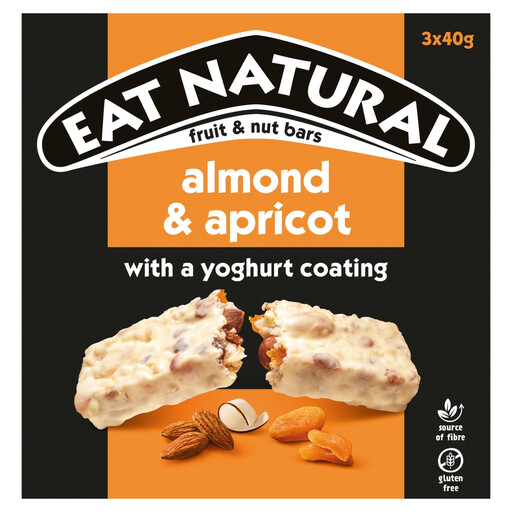
Why This Fits Their Persona: Perfect for busy professionals who want a more wholesome on-the-go breakfast. It uses recognisable ingredients to provide a balance of energy, fibre and texture that feels more substantial than a simple grain bar.
This bar counters the "healthy halo" trap by having a straightforward ingredient list. With almonds (10%) and dried apricots (17%) as key components, its nutritional profile comes from whole foods, not just processing.
Offers a satisfying texture from nuts and fruit, and is bound with honey rather than relying solely on glucose syrup. It is also gluten-free.
We have compiled a complete, real-time list of products that fully satisfy these strict selection criteria and UK safety regulations.
It depends entirely on the bar. Many breakfast bars can be high in sugar and low in fibre, making them a poor choice for a daily meal. However, if you choose one that is high in wholegrains and fibre with a moderate sugar content (under 10g), it can be a convenient option for days when you're short on time. They are best viewed as a convenient alternative rather than a replacement for a balanced, sit-down meal.
While there is no official government rule for snack bars, a practical guideline for a daily snack bar is to aim for less than 10 grams of sugar per serving. For a smaller, child-friendly portion or a "light" bar, under 6-7 grams is an even better target. Always prioritise checking the 'per bar' nutritional information on the packaging.
A standard cereal bar or oat bar is primarily a source of carbohydrates from grains, designed to provide a quick and convenient source of energy. A true protein bar is specifically formulated to contain a higher quantity of protein, typically 10 grams or more per bar. This makes them more suitable for post-exercise recovery or as a more filling snack to promote satiety.