
24/7 Customer Support

Free returns

Same-day & Next-day Delivery

Quality Guaranteed

Unlock Your Welcome Offers: FREE Delivery | Up to 80% OFF | Free 30-day JoyPlus trial
Download the APP
Navigating the snack aisle for the perfect cereal bar can feel overwhelming. Shelves are packed with options, all promising convenience and nutrition. Yet, many of us have been disappointed, ending up with a snack that’s either a hidden sugar bomb or simply doesn't deliver on its "healthy" promise. As a Joybuy Product Recommendation Officer, my role is to help you see past the marketing jargon. Let's look at the common pitfalls and how to choose wisely.
The most frequent traps shoppers fall into are:
nut bar can pack the same calorie count as a small meal, which might not align with your goals for a light, on-the-go snack.To avoid these pitfalls, focus on what’s inside the wrapper. A few moments spent analysing the label can save you from a poor purchase. Here are the non-negotiable factors to consider.
Don't just look at the calories per bar; check the "per 100g" column for a fair comparison between different products. Pay close attention to:
Oat bars and those with whole grains are typically good sources.protein bars for post-exercise recovery, look for at least 20g of protein per 100g. Check the source—nuts, seeds and soy protein are common and effective ingredients.Ingredients are listed in order of weight. The first three ingredients make up the bulk of the bar. For a genuinely wholesome snack, you want to see whole-grain oats, nuts, or fruit at the top of the list, not sugar or syrup. This is the simplest way to determine if you're buying healthy snack bars or just cleverly marketed sweets.
The right bar for you depends entirely on your needs.
breakfast bars with a high percentage of whole-grain oats for slow-release energy.cereal bars multipack.nut bars or granola bars is ideal for sustained energy.Based on these practical criteria, here are some recommendations tailored to different needs.

Why This Fits Their Persona: Ideal for a post-workout snack or a substantial energy boost, this bar is specifically formulated for those tracking their protein intake. It's a convenient way to support an active lifestyle without compromising on taste.
This bar counters the "Vague Protein Promise" by delivering a clear 10g of protein per 40g bar (25.6g per 100g), with roasted peanuts and soy protein as primary ingredients.
High in protein and also gluten-free, making it suitable for a wider range of dietary needs. The combination of peanuts and chocolate offers a satisfying flavour.
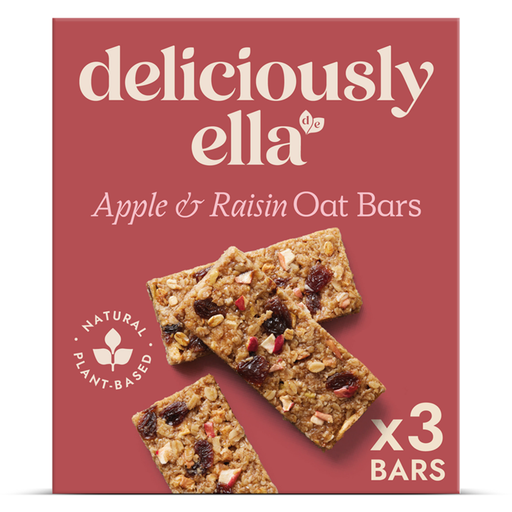
Why This Fits Their Persona: Perfect for families seeking plant-based and gluten-free options. These bars are made with simple, recognisable ingredients, making them a trustworthy choice for lunchboxes or after-school snacks.
It sidesteps the "Healthy Halo" deception with a transparent, short ingredient list. Gluten-free oats are the first ingredient, followed by natural sweeteners like rice syrup and coconut sugar.
These bars are vegan, plant-based and made with gluten free cereal bars ingredients. The flavour comes from real apple, raisins and cinnamon, not artificial additives.
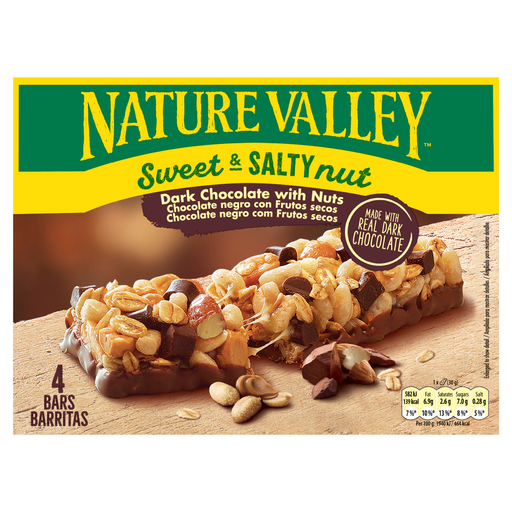
Why This Fits Their Persona: A perfect desk-drawer or bag staple for professionals needing a quick and satisfying snack between meetings. The balance of sweet and salty flavours with a crunchy texture makes it a more engaging snack than a simple oat bar.
This bar avoids the "All-Natural Calorie Trap" by being a satisfying yet portion-controlled option. It's an honest snack, not pretending to be a low-calorie health food, but a balanced treat with nuts and oats as primary ingredients.
The primary ingredients are roasted peanuts and whole grain oats, providing texture and sustained energy. The dark chocolate and almond pieces add a touch of indulgence.
We have compiled a complete, real-time list of products that fully satisfy these strict selection criteria and UK safety regulations.
They can be a convenient component of a healthy breakfast, but they shouldn't be a daily replacement for a balanced meal. For a good breakfast bar, choose one that is high in fibre and whole grains and low in sugar. Pair it with a piece of fruit or some yoghurt to create a more complete and satisfying start to your day.
While often used interchangeably, there are subtle differences. Cereal bars are typically softer and made from various grains like oats and rice. Granola bars are usually oat-based and baked until crunchy. Protein bars are specifically formulated with a higher protein content (from sources like soy, whey, or nuts) to support active lifestyles and are often used as post-workout on the go snacks.
Many brands now offer excellent gluten free cereal bars. Always look for a clear "gluten-free" statement on the packaging. The most reliable method is to check the ingredients list to ensure there is no wheat, barley, rye, or non-certified oats. Many gluten-free options use certified gluten-free oats, rice flour, nuts and seeds as their base.