
24/7 Customer Support

Free returns

Same-day & Next-day Delivery

Quality Guaranteed

Unlock Your Welcome Offers: FREE Delivery | Up to 80% OFF | Free 30-day JoyPlus trial
Download the APP
Waking up with a stiff neck or aching shoulders is a frustratingly common experience. While many factors can contribute to this discomfort, the pillow you use every night plays a crucial role in either alleviating or aggravating the problem. An unsupportive pillow can force your neck into an unnatural position, leading to muscle strain and poor sleep quality.
The search for a solution can be confusing, with countless options all claiming to be the answer. This guide is designed to cut through the clutter. As the Joybuy Product Recommendation Officer, my role is to provide clear, practical advice to help you understand what to look for in a cervical pillow for neck and shoulder pain and to highlight a few standout options available today.
Before looking at specific products, it’s helpful to understand the key features that make a pillow effective for neck support. Considering these points will help you make a more informed choice for your specific needs.
The filling of a pillow determines its feel, support and longevity. A memory foam contour pillow is a popular choice because it moulds to the unique shape of your head and neck, providing personalised support that encourages proper pillow for neck alignment. Other materials, like hollowfibre, can offer a softer, more traditional feel while still being structured for support, often found in orthopaedic designs. Some modern pillows also incorporate materials designed to improve airflow, making them a good option if you're seeking a cooling pillow for neck pain.
The ideal pillow shape is closely linked to how you sleep.
A pillow that is too soft will allow your head to sink, misaligning your neck. Conversely, a pillow that is too hard can create pressure points and discomfort. The goal is to find a firm support pillow that keeps your head and neck level with your spine, as if you were standing with good posture. The right level of firmness provides support without sacrificing comfort.
Based on their design, materials and user-focused features, here are some of our top recommendations for those seeking better neck and shoulder comfort.
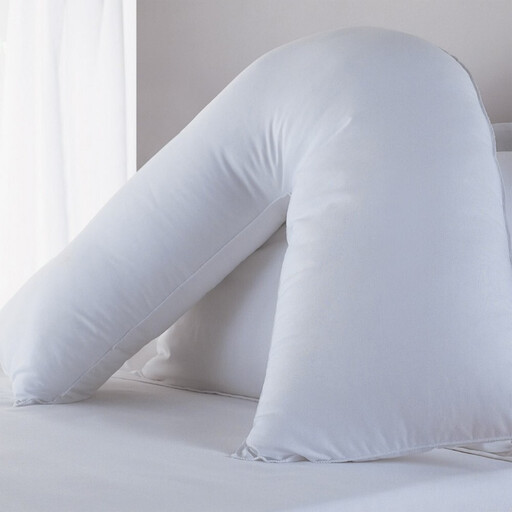
Why It Stands Out: This pillow’s V-shape offers a different kind of ergonomic support. It’s designed not just for sleeping, but also for providing stability and comfort while sitting up in bed to read or watch television. The unique shape cradles the upper back, shoulders and neck, making it a highly versatile support accessory.
Pros:
Who is it for? This is an excellent choice for individuals who need substantial support while sitting upright, as well as for back sleepers who enjoy the feeling of being gently cradled. It’s also a practical option for those seeking an effective, non-memory foam orthopaedic pillow.
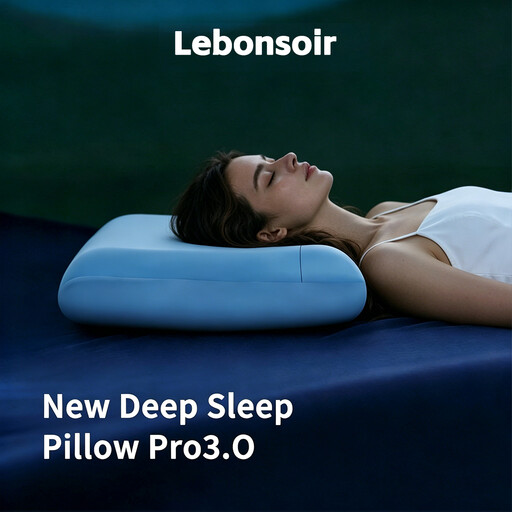
Why It Stands Out: This pillow features a sophisticated 3-layer foam construction engineered for balanced comfort and support. The top layer of slow-rebound memory foam envelops the head and neck, a middle layer prevents excessive sinking and a firm base provides stability. This system is designed to deliver targeted support and promote spinal alignment for various sleeping positions.
Pros:
Who is it for? This pillow is aimed at users who are serious about finding a high-performance solution for sleep-related discomfort. It is particularly well-suited for side and back sleepers who need a reliable memory foam contour pillow to maintain correct alignment throughout the night.
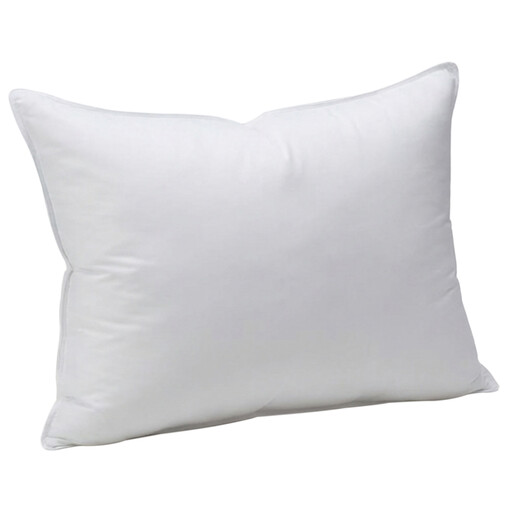
Why It Stands Out: For those who prefer a more traditional pillow shape but don't want to compromise on quality, the MENDALE pillow offers a "hotel quality" experience. It strikes a balance between soft and firm, providing a plump, comfortable feel that still supports the head and neck. The hypoallergenic filling makes it a great all-rounder for any bedroom and the current "buy one, get one free" offer provides exceptional value.
Pros:
Who is it for? This is a superb option for anyone looking to upgrade their standard pillows to something more comfortable and supportive without committing to a specialised orthopaedic shape. It’s also a fantastic choice for budget-conscious shoppers and guest rooms.
The recommendations above represent a few of the effective designs available for improving neck and shoulder comfort. However, the right pillow is a very personal choice. If these options aren't quite what you're looking for, there is a wider world of supportive pillows to discover.
For a broader range of supportive sleep solutions, browse our full collection of Headrest Pillows.
There is often an adjustment period of a few nights to a week when switching to a new ergonomic or cervical pillow. Your body may need time to adapt to the new, healthier sleeping posture. It's best to be patient and give it at least a week before deciding if it's right for you.
Side sleepers generally need a firmer, slightly thicker pillow to fill the gap between their head and the mattress, which keeps the spine aligned horizontally. A memory foam contour pillow, like the Lebonsoir model, is often a good fit as it can provide this structured support while moulding to the shoulder.
While a pillow is not a medical treatment, using one that promotes proper pillow for neck alignment can play a significant role in your overall comfort. By supporting the natural curve of your spine, a well-designed pillow helps reduce muscular strain on your neck and shoulders during sleep, which may contribute to waking up with less stiffness and discomfort.