
24/7 Customer Support

Free returns

Same-day & Next-day Delivery

Quality Guaranteed

Unlock Your Welcome Offers: FREE Delivery | Up to 80% OFF | Free 30-day JoyPlus trial
Download the APP
A good jar of chilli oil can transform a simple meal into something truly memorable. Yet, the shelves are crowded with options, and not all are created equal. As a home cook in the UK, you might find yourself disappointed by a jar that promised fiery flavour but delivered little else. Before you spend another pound, let’s look at the common pitfalls that can lead to a lacklustre purchase.
As the Joybuy Product Recommendation Officer, my role is to help you navigate the market and identify what truly matters in a quality condiment. Here are the key issues to watch out for:
To avoid these issues, focus on the ingredient list and product description. Here are the three non-negotiable parameters to analyse before you buy.
The foundation of any chilli oil is, of course, the oil itself. Most traditional Asian chilli oils use a neutral base like rapeseed oil or soybean oil. These oils don't overpower the delicate flavours of the chillies and spices. While olive oil infusions exist, they offer a distinctly Mediterranean profile. For authentic flavour, look for rapeseed or soybean oil, then check for aromatics. Ingredients like star anise, cinnamon, ginger and scallions infused into the oil are a clear sign of a more complex, flavour-focused product.
If you're after a crispy chilli oil, the solids are just as important as the oil. The ingredient list is your best guide. Look for ingredients like fried garlic, fried onion, roasted soybeans or peanuts listed prominently. A high-quality chilli crisp will have a generous ratio of these crunchy elements to the oil. These are what you'll be spooning over your food, so their quality and quantity are paramount for that addictive texture. This is the key to finding a great spicy oil for noodles or a topping for rice.
Finally, consider the type of heat you want.
Based on these practical criteria, here are a few recommendations matched to different needs and preferences.

Why This Fits Their Persona: This is for the home cook who wants to replicate genuine Sichuan dishes like Mapo Tofu or spicy hot pot. It prioritises the authentic 'málà' flavour profile over simple heat, providing the foundational taste for regional Chinese cooking.
It directly counters the "Sichuan Misnomer" by explicitly including Sichuan peppercorns (5%), ensuring the signature numbing sensation. It also avoids the "all heat, no flavour" trap with savoury fermented black beans and shallots.
Delivers a genuine, complex 'málà' (numbingly spicy) taste. A versatile base for sauces, dips and classic Sichuan recipes.
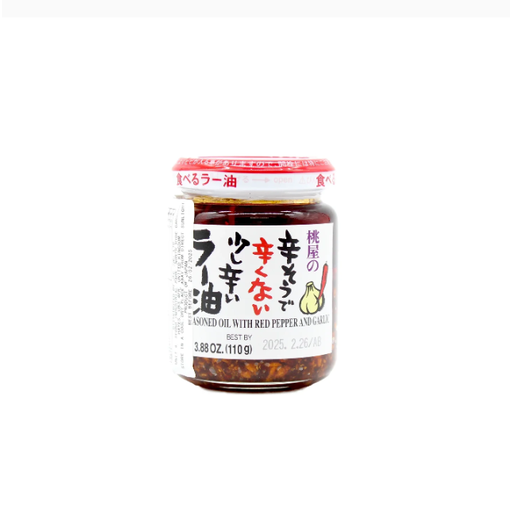
Why This Fits Their Persona: This Japanese-style 'eating chilli oil' (Taberu Rayu) is for those who value texture above all. It's designed to be spooned generously over rice, eggs or tofu, where its crunch can be the star of the show. The heat is mild, making it an accessible everyday condiment.
It masterfully avoids the "Crispy Disappointment" by featuring a high proportion of solids, with fried garlic (15%) and fried onions as key ingredients. The focus is explicitly on the crunchy, savoury elements.
Delivers an addictive, crunchy texture from fried garlic and onion. Offers a complex umami flavour with mild heat, making it highly versatile.
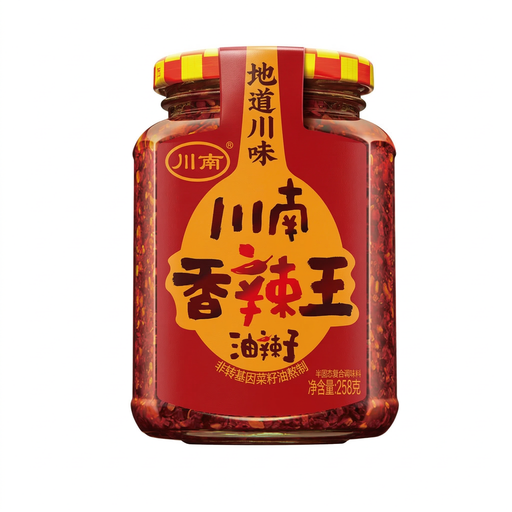
Why This Fits Their Persona: This is a practical choice for the everyday UK kitchen. It's a versatile, ready-to-eat condiment that works well as a dipping sauce for dumplings, stirred into noodles or mixed with rice. The larger jar size offers good value for frequent use.
This oil avoids the "all heat, no flavour" trap by incorporating a blend of soybeans, peanuts, scallions and spices alongside the chillies. This creates a more balanced, fragrant and savoury profile rather than just raw spice.
A highly versatile, ready-to-use condiment suitable for dipping, stir-frying and mixing. The inclusion of peanuts and soybeans provides some textural interest.
We have compiled a complete, real-time list of products that fully satisfy these strict selection criteria and UK safety regulations.
The primary difference is texture. Chilli oil is generally a smooth, infused oil, sometimes with fine chilli flakes suspended in it. Its main purpose is to add flavour and heat in liquid form. Chilli crisp, on the other hand, is packed with solid, crunchy ingredients like fried garlic, soybeans or onions. It's considered an "eating" condiment, where the texture is as important as the flavour.
Once opened, it is generally recommended to store chilli oil in the refrigerator with the lid tightly sealed. This helps to preserve the freshness of the oil and the crispness of any solid ingredients, preventing the oil from becoming rancid. Always use a clean spoon to scoop out the contents to avoid contamination.
You can do both. Many chilli oils, especially those with a high smoke point base like rapeseed oil, can be used in stir-fries or as a base for a sauce. However, the delicate aromatic compounds can break down with high heat. For this reason, many people prefer to add it at the end of cooking or use it as a finishing oil or tableside condiment to get the full impact of its flavour.