
24/7 Customer Support

Free returns

Same-day & Next-day Delivery

Quality Guaranteed

Unlock Your Welcome Offers: FREE Delivery | Up to 80% OFF | Free 30-day JoyPlus trial
Download the APP
Navigating the world of chilli sauce can be surprisingly complex. A walk down any international food aisle reveals a dizzying array of bottles and jars, all promising to add that perfect kick to your meals. Yet, many home cooks in the UK find themselves with a cupboard full of half-used condiments that did not quite deliver. The right chilli sauce can transform a dish, but the wrong one can easily lead to culinary disappointment.
As the Joybuy Product Recommendation Officer, my role is to help you see past the clever marketing and identify what truly matters. Before you make your next purchase, let’s look at the common pitfalls that lead to wasted money and lacklustre meals.
To avoid these traps, focus on a few core parameters. Understanding these will empower you to choose a product that genuinely suits your cooking style, whether you're making a traditional Chinese stir-fry or simply looking for a versatile dipping sauce.
The foundation of any chilli sauce dictates its taste and best use. Look at the ingredients list to understand its core profile:
The physical form of the product is just as important as its flavour. The name often gives a clue, but checking the description is key.
To help you find the right match, we have selected a few products tailored to specific culinary needs and preferences of UK home cooks.
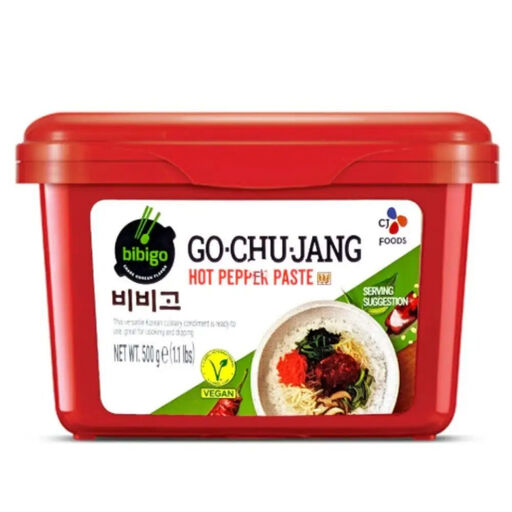
Why This Fits Their Persona: For anyone serious about making authentic Korean dishes like bibimbap, tteokbokki or kimchi jjigae, a genuine gochujang is non-negotiable. This product provides the essential savoury, spicy and slightly sweet flavour that defines the cuisine.
This is a specific Korean chilli paste, not a generic hot sauce. Its base of fermented soybeans and glutinous rice provides a complex umami flavour that a simple vinegar-based sauce cannot replicate, neatly avoiding the "one-size-fits-all" pitfall.
Its thick paste consistency is ideal for creating rich stews and marinades. The flavour is deep and savoury, thanks to its traditional fermentation process.

Why This Fits Their Persona: This user needs a reliable, multi-purpose sauce for quick stir-fries, dipping spring rolls or adding a savoury kick to noodles. This chilli garlic sauce is a pantry staple that works across a wide range of Asian-inspired dishes.
It solves the texture mismatch problem. Its consistency is thick enough to coat ingredients in a stir-fry but still fluid enough to be used as a dipping sauce without modification. The flavour is balanced between chilli, garlic and salt, avoiding the one-dimensional heat trap.
A highly versatile, ready-to-use sauce with a rich and aromatic flavour. It is made from salted chilli peppers and a noticeable 5% dehydrated garlic for a savoury profile.
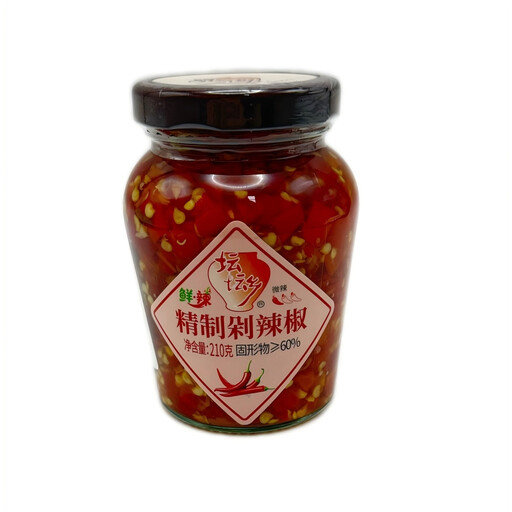
Why This Fits Their Persona: This user wants a spicy condiment that adds more than just heat. They appreciate texture and a complex, savoury flavour to spoon directly onto rice, noodles, eggs or steamed dishes.
This Hunan-style chopped chilli embraces its texture. It is not trying to be a smooth sauce, so it avoids the consistency mismatch. Its flavour comes from fresh chilli (75%) and fermented black beans, providing a savoury, layered taste rather than just simple heat.
A ready-to-eat condiment with a satisfyingly coarse texture and authentic Hunan flavour. It is ideal for adding a final layer of savoury spice to finished dishes.
We have compiled a complete, real-time list of products that fully satisfy these strict selection criteria and UK safety regulations.
1. What is the main difference between chilli sauce and chilli paste? The primary difference is consistency and intended use. A chilli paste, like gochujang or Toban Djan, is a thick, concentrated product used as a flavour base in cooking. It often requires being cooked or diluted. A chilli sauce is typically thinner and ready to use as a dipping sauce, drizzle or stir-fry sauce without much preparation.
2. How long does an open jar of chilli sauce last? This varies, but most oil-based or fermented chilli pastes and sauces are shelf-stable for a long time due to their salt, oil or acid content. Once opened, it is always advisable to store them in the refrigerator. Most will last for several months, but always check the packaging for specific storage instructions and use a clean utensil to prevent contamination.
3. Can I use gochujang as a substitute for other hot sauces? While you can, it is important to understand the flavour difference. Gochujang has a unique sweet, savoury and funky taste from fermentation, which is very different from a vinegar-based hot sauce or a simple chilli garlic sauce. Using it as a direct substitute will significantly change the flavour profile of your dish. It is best used in recipes that specifically call for its unique umami depth.