
24/7 Customer Support

Free returns

Same-day & Next-day Delivery

Quality Guaranteed

Unlock Your Welcome Offers: FREE Delivery | Up to 80% OFF | Free 30-day JoyPlus trial
Download the APP
Recreating the vibrant, complex flavours of Chinese cuisine at home can feel like a daunting task. The long lists of spices and unfamiliar ingredients can be enough to put anyone off. A good quality Chinese seasoning mix promises a shortcut to authentic-tasting meals, but the reality is often disappointing. As the Joybuy Product Recommendation Officer, my role is to help you navigate the options and find a product that truly delivers on its promise, without the marketing fluff.
Many home cooks in the UK find themselves let down by pre-made mixes. Let's look at the common pitfalls to avoid before you spend your money.
Chinese braising spices come in a bag with no guidance on what they are best suited for. The blend for a rich, dark soy-based braise is very different from the spices needed for a light, fragrant broth, yet they are often marketed interchangeably.To ensure you get the right flavour for your dish, it pays to look past the front of the pack and analyse a few core details.
The physical form of the seasoning is your first clue to its intended use. Each has its own strengths:
mala spice mix powder is excellent for sprinkling over finished dishes, using as a dry rub for barbecue or mixing into dipping sauces. They dissolve easily, making them a good easy Chinese recipe base for soups and marinades.Asian cooking paste): Pastes offer a more concentrated and often more complex flavour, as the ingredients have been blended and sometimes cooked down. They are ideal for creating rich sauces and marinades, clinging well to meat and vegetables.stir-fry seasoning pouch is less common; these are almost always for infusing flavour over a long period. The whole spices—such as star anise, cinnamon and Sichuan peppercorns—release their aromatic oils gradually, creating a deep, layered taste in broths and braised dishes."Chinese food" is not a single entity. To get the taste you're craving, you need to know the regional flavour you're aiming for.
Sichuan seasoning UK product.Always read the ingredients list. A high-quality mix will list spices, herbs and core flavourings (like soy sauce powder or fermented beans) at the top. Be cautious if the first ingredients are salt, sugar or flavour enhancers. While these are necessary components, they shouldn't be the main event. This is the most reliable way to avoid the "authentic flavour" trap and ensure you're paying for spices, not just salt.
Based on these criteria, we've matched a few standout options to different types of home cooks.
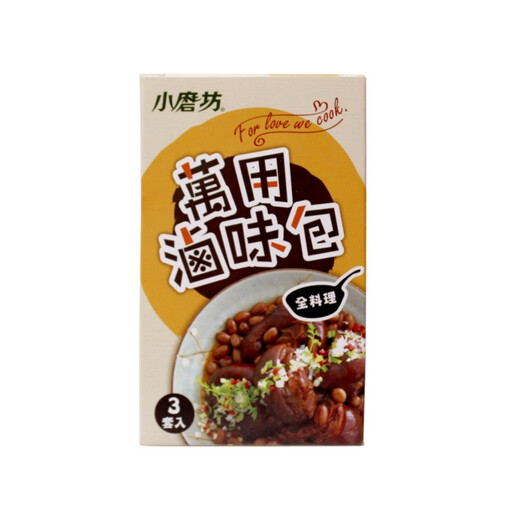
Why This Fits Their Persona: This user wants to make classic braised dishes like Taiwanese braised pork or soy-sauce eggs. They value the deep, aromatic flavour that only comes from slow-cooking with whole spices, but don't want the hassle of sourcing and measuring individual ingredients.
It avoids the "vague label" pitfall by being specifically designed for braising. The ingredient list shows a proper blend of spices like star anise and cinnamon, not just salt and MSG.
A pre-portioned pouch of Chinese braising spices for one-pot cooking. Recreates the classic savoury flavour of Taiwanese-style braised dishes with minimal effort.
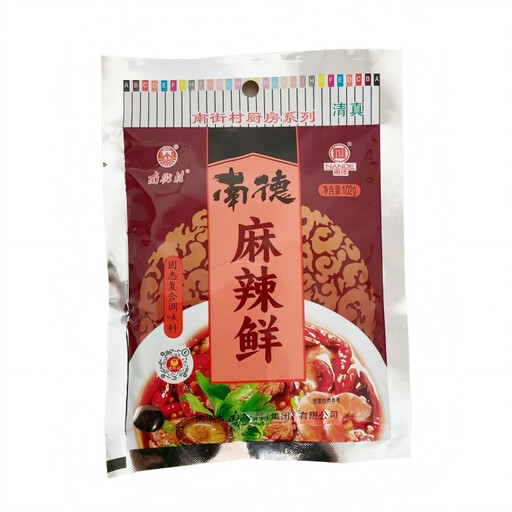
Why This Fits Their Persona: This cook is specifically seeking the signature numbing and spicy kick of Sichuan cuisine. They want a versatile mala spice mix they can use for stir-fries, hot pots or even as a finishing sprinkle on noodles and salads. Authenticity of the 'mala' sensation is their priority.
This product directly counters the "vague flavour" trap by clearly targeting the 'Mala Xian' (numbing, spicy and fresh) profile. The ingredients specify both chillies (15%) and Sichuan peppercorns (6%), ensuring a genuine flavour balance.
A fine powder format for versatile use in stir-frying, barbecues and cold dishes. Delivers the classic spicy flavour of Central China and is Halal certified.
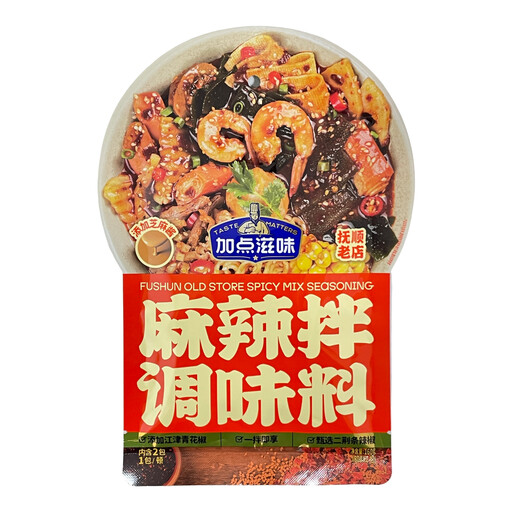
Why This Fits Their Persona: This person needs a quick, no-fuss solution for a flavourful meal after a long day. They want an easy Chinese recipe base they can simply toss with noodles, vegetables or cooked meat for an instant, satisfying dish without a complex cooking process.
It avoids the "authentic flavour" trap by being a rich paste based on chilli oil, peanuts and sesame paste, providing texture and depth beyond just salt. It's a specific "Mala Ban" (spicy mix-in) style, not a generic seasoning.
A versatile mix-in seasoning paste that requires no cooking. Perfect for instantly creating the classic Fushun-style "Mala Ban" dish with noodles, vegetables or meat.
We have compiled a complete, real-time list of products that fully satisfy these strict selection criteria and UK safety regulations.
1. How should I store my Chinese seasoning mix to keep it fresh? For dry powders and whole spice pouches, store them in a cool, dark and dry cupboard away from the steam of your cooker. Once opened, it's a good idea to transfer them to an airtight container to preserve their aroma. Seasoning pastes should be refrigerated after opening and consumed within the timeframe recommended on the packaging.
2. Can I reuse a Chinese braising spice bag? Generally, it is not recommended. The pouches are designed to release their full flavour during one slow-cooking cycle. A second use will result in a significantly weaker, less aromatic broth. For the most flavourful results, always use a fresh pouch for each new dish.
3. What is the main difference between a seasoning mix and a cooking paste? A seasoning mix is typically a dry blend of ground or whole spices. It's great for infusing flavour into liquids or for use as a rub. A cooking paste is a wet blend of ingredients, often including oil, garlic, ginger and fermented products. Pastes provide a more complete sauce base and are excellent for marinades and quick stir-fries as they offer both flavour and texture.