Navigating the world of coconut milk can feel surprisingly complex. You stand in the aisle, faced with cans, cartons and solid blocks, each promising authentic flavour. Which one is right for that rich, creamy Thai green curry you've been planning? What about a fragrant Caribbean stew or a dairy-free dessert? The choice can make all the difference between a dish that is simply good and one that is truly memorable.
As a Joybuy Product Recommendation Officer, my role is to help you understand these differences. This guide will demystify the options, offering practical advice to help you select the right coconut milk for your cooking needs, ensuring you achieve that perfect texture and taste every time.
Choosing the Right Coconut Milk: A Quick Buying Guide
Before we look at specific products, let's cover a few key points. Understanding these will make your next shopping trip much more straightforward.
1. Know Your Format: Liquid vs. Solid
The most common forms of coconut milk for cooking are liquid (in cans or cartons) and solid (in blocks).
- Canned or Carton Coconut Milk: This is the most familiar format. It's made by pressing grated coconut flesh with water. It's ready to pour and ideal for creating the liquid base of curries, soups and sauces. The main difference between cans and cartons is packaging preference; cartons can be easier to pour and store, and some people find they avoid any potential metallic taste from a can.
- Creamed Coconut: This is dehydrated, compressed coconut flesh sold in a solid block. It offers a more concentrated flavour and is incredibly versatile. You can grate a small amount into a dish to add a boost of flavour and thickness, or you can dissolve it in hot water to create your own coconut milk or coconut cream of a desired consistency.
2. Fat Content is Key for Creaminess
The creaminess of your final dish is directly linked to the fat content of the coconut milk.
- Full Fat Coconut Milk: Typically containing 17-22% fat, this is the go-to for rich, luscious results. When you open a can of full fat coconut milk, you'll often find a thick layer of solid coconut cream has risen to the top. This is perfect for adding richness towards the end of cooking or whipping into a dairy-free topping. It is the standard for an authentic coconut milk for curry.
- 'Light' or Reduced-Fat Coconut Milk: This version has a lower fat content (usually 5-9%) as it contains more water. While suitable for thinning sauces or for those monitoring fat intake, it won't provide the same creamy body as its full-fat counterpart.
3. Check the Ingredients List
Most coconut milk products contain just two ingredients: coconut extract and water. However, some also include stabilisers like guar gum or xanthan gum. These are not necessarily a negative; they are added to prevent the natural separation of the fat and water, ensuring a smooth, consistent texture straight from the container. Products without stabilisers will separate, which can be desirable if you want to scoop off the thick cream for a specific purpose.
Our Coconut Milk Recommendations
Based on their formulation, versatility and suitability for a range of popular dishes, here are our recommendations for your kitchen pantry.
AROY-D Coconut Milk Cooking 19% Fat 400ml

- Why It Stands Out: AROY-D is a household name in Southeast Asian cooking for a reason. This product comes in a convenient UHT carton, which is easy to open, pour and store. The 19% fat content hits the sweet spot for most cooking applications, providing significant richness without being overly heavy. Its stabilised, homogenous texture means you get a consistent product every time, with no separation.
- Pros:
- Convenient, resealable carton packaging.
- Reliably smooth and consistent texture.
- Ideal 19% fat content for a wide range of dishes.
- Who is it for: This is an excellent all-rounder for any home cook. It is particularly well-suited for those who regularly prepare Thai coconut milk dishes like curries and soups and value consistency and ease of use.
Dunn's River Creamed Coconut 200G

- Why It Stands Out: This is pure, unadulterated coconut flavour in a solid block. Made from 100% coconut, creamed coconut gives you complete control. You can grate it directly into stews for a subtle thickening effect or dissolve it in water to make coconut milk or cream to your preferred strength. Its concentrated nature means a little goes a long way.
- Pros:
- Intense, pure coconut flavour.
- Allows you to control the richness and consistency.
- Long shelf life and minimal waste.
- Who is it for: Cooks who want maximum flavour intensity and versatility. It's a staple in many Caribbean and African kitchens and is perfect for anyone who enjoys customising their recipes, from sauces and soups to desserts and baked goods.
Grace Coconut Milk Premium 400ml
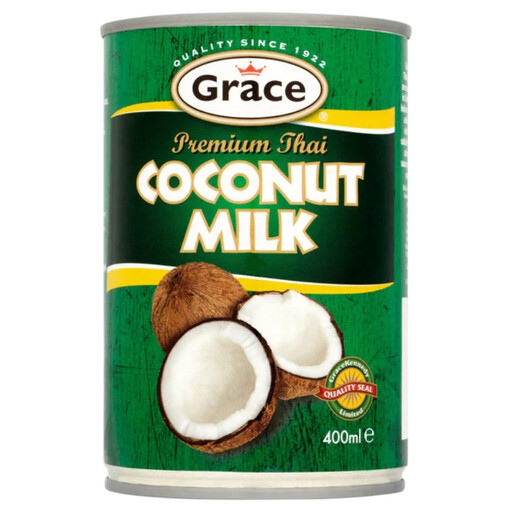
- Why It Stands Out: As a premium canned coconut milk, this product from Grace delivers exceptional richness. With a high fat content of 21.3%, it naturally separates in the can, producing a thick, dense layer of coconut cream on top. This makes it incredibly versatile for recipes that call for using the cream and milk separately.
- Pros:
- Very high fat content for maximum creaminess.
- Separates into thick cream and thinner milk for versatile use.
- A trusted brand for authentic Caribbean cooking.
- Who is it for: Anyone seeking a truly decadent, full fat coconut milk. It's the ideal choice for creating luxurious curries, rich desserts like puddings and ice creams or creamy cocktails where that thick coconut texture is essential.
Looking for More Options?
The three products above represent excellent choices for different culinary needs. However, the world of coconut-based ingredients is vast. If you're looking for different fat percentages, organic options or other brands, there are many more to discover.
Explore our full range of canned coconut milk and find the perfect match for your next culinary creation.
Browse All Coconut Milk Products
Frequently Asked Questions
What is the difference between coconut milk and coconut cream?
Coconut cream and coconut milk are made from the same ingredients (coconut flesh and water) but have different concentrations. Coconut cream has a much higher fat content and a thicker, more paste-like consistency. Coconut milk has a lower fat content and is more liquid. In a can of full-fat coconut milk, the thick, solid layer that rises to the top is effectively coconut cream.
Can I use coconut milk from a carton for cooking?
Yes, absolutely. Coconut milk in a carton, like the AROY-D product, is specifically designed for coconut milk for cooking. It is heat-treated (UHT) for a long shelf life and is often stabilised to provide a smooth, consistent texture that incorporates easily into hot dishes.
How do I stop coconut milk from splitting in a curry?
Splitting, or curdling, happens when the fats and liquids in coconut milk separate due to high heat. To prevent this, add the coconut milk towards the end of the cooking process and heat it gently. Avoid boiling it vigorously. If your recipe requires a long simmer time, add half the coconut milk at the beginning and stir in the richer, creamier half just before serving.


