
24/7 Customer Support

Free returns

Same-day & Next-day Delivery

Quality Guaranteed

Unlock Your Welcome Offers: FREE Delivery | Up to 80% OFF | Free 30-day JoyPlus trial
Download the APP
Navigating the supermarket aisle for the right coconut milk for cooking can be surprisingly complex. Faced with terms like full-fat, light, organic and different packaging, it’s easy to feel unsure which one will perfect your dish. Whether you're simmering a fragrant Thai green curry, enriching a Caribbean stew or baking a dairy-free dessert, the type of coconut milk you choose makes a significant difference to the final texture and flavour.
As a Joybuy Product Recommendation Officer, my role is to help you understand these differences. This guide cuts through the clutter, offering clear, practical advice to help you select the right coconut milk for your culinary needs, ensuring your pantry is stocked with a versatile and reliable ingredient.
Before we look at specific products, let's cover a few key points. Understanding these will help you make a more informed choice every time you shop.
The most important distinction is between full fat coconut milk and light coconut milk. This isn't just about calories; it fundamentally changes your dish.
Most canned coconut milk contains more than just coconut and water. You will often see stabilisers like guar gum or xanthan gum listed. These are common food additives used to prevent the coconut cream and water from separating in the can, ensuring a smooth, consistent texture when you open it. Most unsweetened coconut milk intended for cooking will have a very simple ingredients list, making it a great base for both sweet and savoury dishes.
The standard 400ml coconut milk comes in two main types of packaging:
Here are a few reliable options available on Joybuy, selected to suit different cooking styles and dietary preferences.
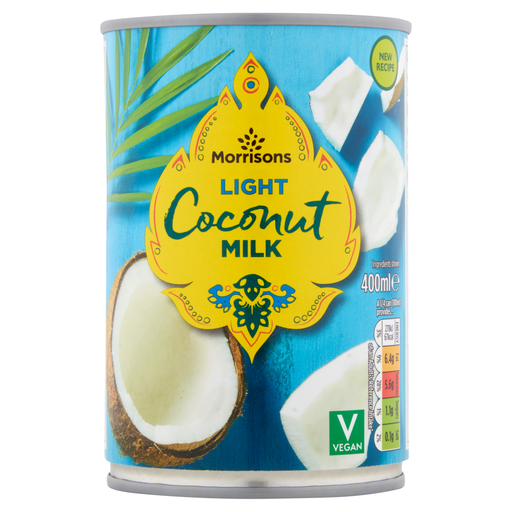
Why It Stands Out: This light coconut milk is a practical choice for everyday cooking when you want the flavour of coconut without the richness of a full-fat version. With 50% less fat than the standard equivalent, it helps create lighter sauces and soups.
Pros:
Who is it for? This is ideal for home cooks looking for a healthier pantry staple or for recipes that call specifically for light coconut milk.

Why It Stands Out: AROY-D is a go-to for achieving an authentic, rich flavour in Asian cuisine. With a consistent 19% fat content and 80% coconut extract, this full fat coconut milk delivers a velvety texture and pure taste. The carton packaging is also a convenient touch.
Pros:
Who is it for? This is an excellent choice for cooks who want to replicate the authentic richness of restaurant-quality Southeast Asian dishes at home.
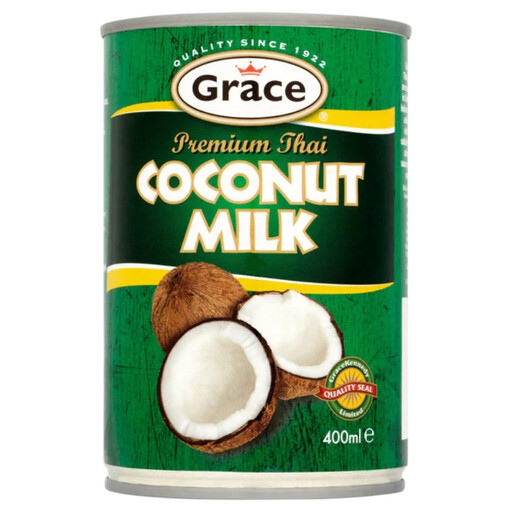
Why It Stands Out: As a premium option, this coconut milk from Grace boasts a high fat content and is made from 75% coconut extract. It’s a true pantry workhorse, lending its creamy, tropical flavour to everything from Caribbean rice and peas to rich, velvety sauces and desserts.
Pros:
Who is it for? This is for the culinary enthusiast who uses coconut milk frequently and needs a high-quality, versatile product that performs well across different types of cuisine.
The products featured here are specifically designed for cooking. If you're searching for a vegan milk alternative to add to your morning coffee, cereal or smoothie, you will need a coconut milk beverage, which has a different formulation.
Explore our full range of ready-to-drink options by visiting our Coconut milk beverage category page.
1. What is the difference between coconut milk for cooking and coconut milk for drinking? Coconut milk for cooking (usually canned or in small cartons) is much thicker and higher in fat. It is unsweetened and intended as an ingredient. Coconut milk for drinking is sold in larger cartons, is significantly diluted with water to give it a milk-like consistency and is often fortified with vitamins and sometimes sweetened.
2. How do I stop my coconut milk from splitting in a curry? Splitting, or curdling, happens when the fats and liquids separate due to high heat. To prevent this, add the coconut milk towards the end of the cooking process and heat it gently. Avoid bringing it to a rapid boil. A stabiliser in the coconut milk can also help prevent this.
3. Is canned or carton coconut milk better? Both are excellent for cooking, and the choice often comes down to preference. Canned coconut milk is traditional and the cream often separates to the top, which can be useful for certain recipes. Cartons are often easier to open and pour. The quality of the coconut extract and the fat percentage are more important factors than the packaging itself.