
24/7 Customer Support

Free returns

Same-day & Next-day Delivery

Quality Guaranteed

Unlock Your Welcome Offers: FREE Delivery | Up to 80% OFF | Free 30-day JoyPlus trial
Download the APP
From creating a rich, fragrant Thai green curry to whipping up a dairy-free dessert, coconut milk is a cornerstone of modern British kitchens. Yet, walking down the supermarket aisle reveals a confusing array of cans and cartons. Choosing the wrong one can lead to a watery curry, a curdled coffee or simply a dish that lacks that authentic, creamy flavour you were hoping for.
As the Joybuy Product Recommendation Officer, my role is to help you navigate these choices. We'll look past the marketing claims to understand what really matters, ensuring your next purchase is the right one for your recipe. Here are the common pitfalls to be aware of.
To avoid these issues, focus on two or three core parameters. Getting these right is the key to unlocking the perfect flavour and texture for your dish.
This is the single most important factor determining the richness and creaminess of your coconut milk. The fat content, which comes directly from the coconut extract, dictates its best use.
Have you ever wondered why some coconut milks are perfectly smooth while others separate into a hard block and watery liquid? The difference often comes down to additives.
Products without these additives, such as those containing only coconut extract and water, are often preferred by purists. However, the natural separation that occurs is normal and can be resolved by shaking the can or stirring the contents upon heating.
Based on these practical criteria, we've matched a few standout options to different kitchen needs.

Why This Fits Their Persona: For the home cook dedicated to recreating authentic Southeast Asian dishes, richness is non-negotiable. This product is specifically designed for cooking, delivering the high fat content needed for a truly creamy and flavourful Thai coconut milk curry or laksa.
With a 19% fat content, it directly counters the "watery curry" trap, guaranteeing a rich, velvety base for your sauces.
High fat content ensures authentic texture. The UHT carton is easy to pour, store and reseal compared to traditional cans.
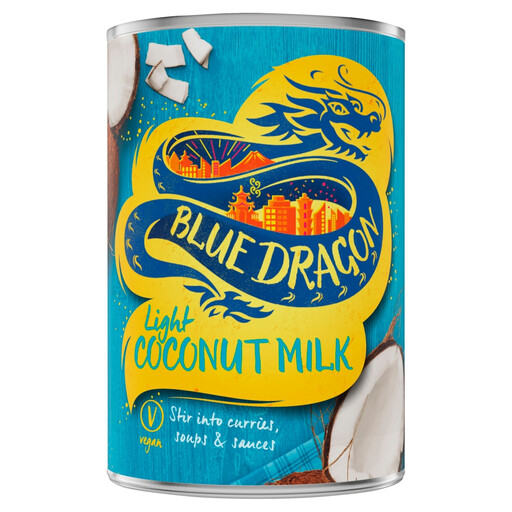
Why This Fits Their Persona: Ideal for those who love the flavour of coconut but want a lighter option for everyday meals. This light coconut milk provides a creamy hint to soups, dals and lighter sauces without the high saturated fat content of its full-fat counterpart.
It avoids the "one-size-fits-all" trap by being clearly labelled as a 'Light' product. You know you are choosing a lower-fat option, managing expectations for richness.
Significantly lower fat content (6.2% fat) for lighter cooking. It still provides a distinct coconut flavour, making it a versatile pantry staple.

Why This Fits Their Persona: This is for the coffee lover seeking a creamy, tropical twist without dairy. It's specifically formulated to perform well in hot drinks, creating a stable microfoam for lattes and cappuccinos without curdling.
This is the perfect example of a specialised product. It avoids the "one-size-fits-all" trap by being a dedicated barista coconut milk, not a cooking ingredient.
Formulated with soya to create excellent foam for coffee. It's also fortified with calcium and vitamins B2, B12 and D.
We have compiled a complete, real-time list of products that fully satisfy these strict selection criteria and UK safety regulations.
1. Why does my canned coconut milk separate? Is it off? No, this is completely normal and often a sign of a high-quality product with a high fat content and few additives. The dense, white coconut cream naturally solidifies and separates from the thinner coconut water, especially when stored in a cool place. Simply shake the can vigorously before opening or stir the contents together in a pan as it heats up.
2. Can I use coconut milk from a carton (for drinking) in a curry? It is not recommended. Drinking coconut milk, like the barista blends, has a much lower fat content (typically 1-4%) and a higher water content. It is also often sweetened and fortified with vitamins for drinking. Using it in a curry will result in a thin, watery sauce that lacks the authentic rich flavour and creamy texture you get from proper canned coconut milk designed for cooking.
3. What is the difference between coconut milk and coconut cream? The main difference is the concentration and fat content. Coconut cream is much thicker and richer, containing more coconut solids and a higher fat percentage (usually over 20%). Coconut milk is a thinner liquid made from a lower concentration of coconut solids. You can often find coconut cream as the solid layer at the top of a can of full-fat coconut milk, or it can be purchased separately for use in decadent desserts and extra-rich sauces.