
24/7 Customer Support

Free returns

Same-day & Next-day Delivery

Quality Guaranteed

Unlock Your Welcome Offers: FREE Delivery | Up to 80% OFF | Free 30-day JoyPlus trial
Download the APP
Coconut water has firmly established itself on UK shelves as a go-to natural hydration drink. From post-workout recovery to a simple, refreshing beverage on a warm day, its appeal is clear. However, the growing popularity has led to a crowded market where labels can be confusing and not all products deliver the pure, simple hydration you might be looking for.
Navigating the choices can feel overwhelming, and it's easy to make a purchase you later regret. Many shoppers fall into two common traps:
This guide will help you understand the key factors to check before you buy, ensuring you choose the right coconut water for your needs without the guesswork.
To avoid the common pitfalls, focus on these three core parameters. They are the most reliable indicators of quality and suitability, helping you see past the marketing hype.
The single most important factor is the ingredients list. For a simple, natural hydrator, the list should be short and clear.
coconut juice.One of the main reasons people drink coconut water is for its naturally occurring electrolytes, particularly potassium. This makes it an excellent electrolyte drink for rehydration.
How you plan to use coconut water should influence the format you buy.
Instead of a generic list, we've matched specific products to different needs, helping you find the right fit for your lifestyle.
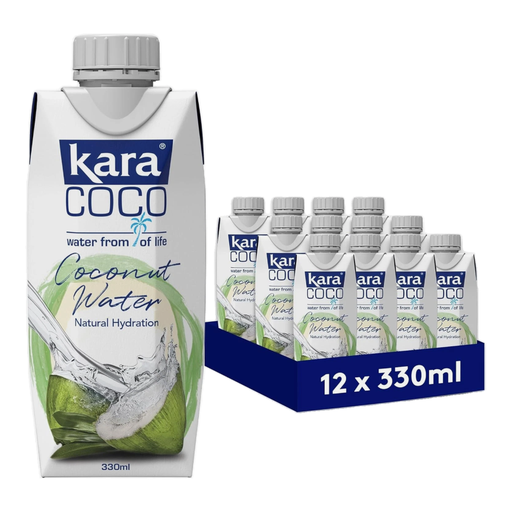
Why This Fits Their Persona: For the fitness enthusiast, purity and function are paramount. This product offers a clean, no-fuss way to replenish electrolytes after exercise. It's a straightforward, effective natural hydration drink without any unnecessary ingredients to weigh you down.
The ingredients list is as simple as it gets: 100% Coconut Water. It completely avoids the hidden sugar trap of "coconut drinks" and is not from concentrate.
Contains no added sugar, preservatives or artificial flavours. It's a pure, pasteurised product that delivers on the promise of natural hydration.
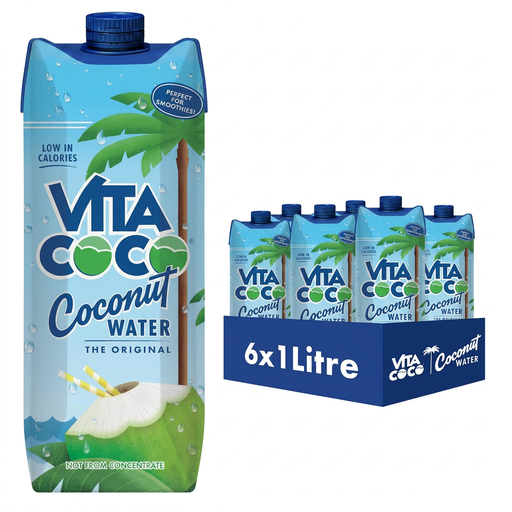
Why This Fits Their Persona: Perfect for health-conscious families who need a reliable, cost-effective supply. This bulk coconut water pack is ideal for stocking the pantry, providing a low calorie drink that can be used for daily hydration, in smoothies or as a healthy treat.
The ingredients are transparent: 99% coconut water with less than 1% fruit sugar. It's not a sugary blend masquerading as a health drink, and the large format encourages smart, economical shopping.
Excellent value in a 6x1L multipack. It's also naturally high in potassium (185mg per 100ml), making it a genuinely functional beverage for the whole family.
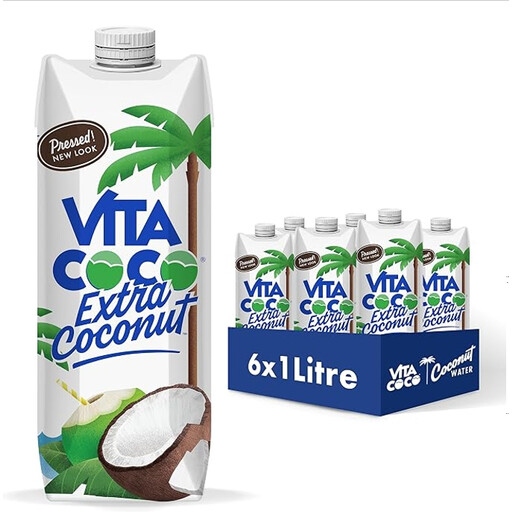
Why This Fits Their Persona: For those who find regular coconut water a bit thin, this "pressed" version offers a richer experience. It blends coconut water with coconut purée for a fuller, more intensely "coconutty" flavour and a smoother, slightly thicker texture.
The name "Pressed" is an honest description of what's inside. It isn't trying to be pure coconut water; it's offering a different texture and taste profile while remaining a natural, minimally processed product.
Delivers a more satisfying, flavourful experience than standard coconut water. It's also high in Vitamin C and retains a strong potassium content, making it both tasty and functional.
We have compiled a complete, real-time list of products that fully satisfy these strict selection criteria and UK safety regulations.
This is a common point of confusion.
For many people, yes. It serves as a natural electrolyte drink thanks to its high potassium content, which helps with muscle function and rehydration. For light to moderate exercise, it's a great alternative to traditional sports drinks that can be high in sugar and artificial ingredients. For very intense or prolonged endurance exercise, you might need a drink that also replenishes sodium and carbohydrates more significantly.
Unopened cartons or cans of coconut water are shelf-stable and should be stored in a cool, dry place away from direct sunlight. Once opened, it's essential to keep the coconut water refrigerated and consume it within 24-48 hours, as it can spoil quickly. Always check the packaging for specific storage instructions. Serving it chilled also enhances its refreshing taste.