Students running local development environments
If you keep an editor, browser, local server or database open together, check the selected laptop's memory, storage and support for your development tools.


Choose the operating system and processor architecture around your compulsory course tools before comparing laptop sizes. A configuration with 16GB of memory and SSD storage is a useful starting point for the described coding setups, but check the exact capacity you need for local services, containers or virtual machines. Apple silicon and Windows on Arm are options only when the required software and dependencies support them.
If you keep an editor, browser, local server or database open together, check the selected laptop's memory, storage and support for your development tools.
If a module requires a particular application, driver or virtualisation workflow, confirm its operating-system and processor support before choosing Apple silicon or Windows on Arm. Microsoft identifies third-party dependencies and native-driver requirements as potential obstacles on Windows on Arm.
If most coding happens at your desk, consider the screen, keyboard and connections for your intended monitor and peripherals alongside the laptop's portability.
Check compulsory course software first, then choose a configuration and desk arrangement that fit the way you develop code.
Consider it when: Your course specifies Windows tools or you plan to use Docker Desktop's documented x86_64 Windows route.
Check: Memory, storage and included equipment for the exact configuration; a model-family name does not settle those details.
Consider it when: Every compulsory course application and development workflow has a supported macOS route.
Check: Windows-only software, drivers and assessment tools before committing to this platform.
Consider it when: You want a compact Windows laptop and have confirmed support for your essential tools on Arm64 or under emulation.
Check: Microsoft warns that plug-ins and third-party dependencies can interfere with Arm support, while kernel drivers need native Arm64 versions. Docker labels its Windows-on-Arm route Early Access.
| Concern | What to check | Who this matters to |
|---|---|---|
| Local development capacity | Check installed memory and SSD capacity in the exact configuration, especially if you use local services or containers. | I want room for an editor, browser and local tools to run together without overlooking the files they create. Around 36% of consumers put local development capacity first. |
| Software compatibility | Match compulsory applications, extensions, drivers and container or virtual-machine workflows to the operating system and processor architecture. | If my course depends on a particular toolchain, I need to know it works before choosing a platform. Roughly 29% of consumers make compatibility their primary concern. |
| Desk setup | Check screen and keyboard details, available ports and support for your intended external display. | For long sessions in my room, I want a workable screen and space to connect the peripherals I use. Around 21% of consumers prioritise their desk arrangement. |
| Included equipment and support | Confirm charger inclusion and the support terms for the selected configuration. | I do not want to discover after ordering that an essential accessory needs to be obtained separately. About 14% of consumers put included equipment and support first. |
Microsoft says Windows on Arm can run emulated applications, but plug-ins, third-party dependencies and kernel drivers can still affect a coding workflow. Docker describes its Windows-on-Arm route as Early Access.
Check each compulsory editor, compiler, debugger, extension, driver and container or virtual-machine workflow against the exact platform before ordering.
Dell's cited XPS 13 DX13260 listing says a charger is not included. Box contents can therefore matter even after you have chosen a model.
Check the selected configuration's included equipment and identify a compatible charger if one is needed.
Obtaining a charger separately adds another task before the laptop is ready to use.
Apple lists two Thunderbolt 4/USB-C ports on the cited 13-inch MacBook Air. Several wired devices and an external display may require connection planning.
List the display and peripherals you intend to use, then check port availability and the compatibility of any required hub or dock.
A suitable dock, cable or other peripheral may also need to be obtained.
Coventry City Council Trading Standards distinguishes remedies for faulty goods from change-of-mind cancellation. A retailer's voluntary terms do not replace applicable statutory remedies for a faulty or misdescribed laptop.
Read the seller's change-of-mind terms, keep your order details and retain the advertised specification in case the laptop arrives faulty or misdescribed.
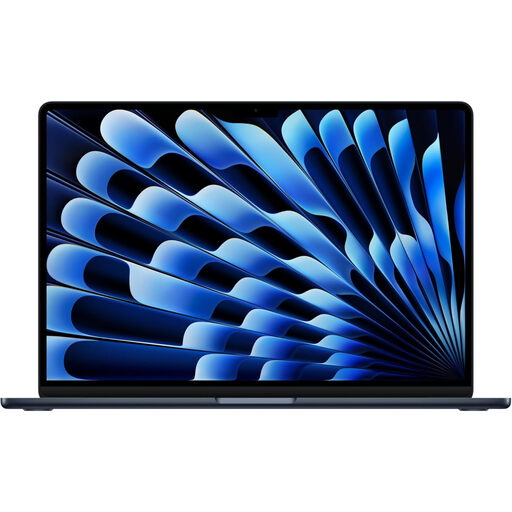
The cited 13-inch MacBook Air is an Apple-silicon option for students whose required tools support macOS.
The cited XPS 13 DX13260 is a conventional Windows laptop with an Intel Core 5 320 processor.
The cited ThinkPad X1 Carbon Gen 13 Aura Edition is a 14-inch Windows option for a desk setup where the specified display and included support matter.
The cited Surface Laptop 13.8-inch (7th Edition) represents the Windows-on-Arm route, with Snapdragon X Plus or X Elite processor options.
These laptops cover conventional x86 Windows, Apple-silicon macOS and Windows-on-Arm setups. Choose a platform only after checking your compulsory course tools; then compare the listed configurations with the space and connections you need at your desk.
 No image available
Consider this Windows laptop if your coding setup calls for the listed memory and storage alongside a 15.6-inch display. The configuration specifies 16GB RAM, a 1TB SSD, GeForce RTX 5050 graphics and a 144Hz FHD screen; check your required course software separately.
 No image available
Consider this Windows 11 Home convertible if a larger touchscreen fits your desk setup. Its listed configuration has 16GB RAM, a 512GB SSD and a 16-inch touchscreen. Check compulsory course tools and any drivers needed for the convertible features you intend to use.
 No image available
Consider this compact option if your required coding tools support macOS and Apple silicon. The listed M5 configuration has 24GB unified memory and a 1TB SSD. Apple lists two Thunderbolt 4/USB-C ports for this model, so check whether your planned wired peripherals require a compatible hub or dock.
 No image available
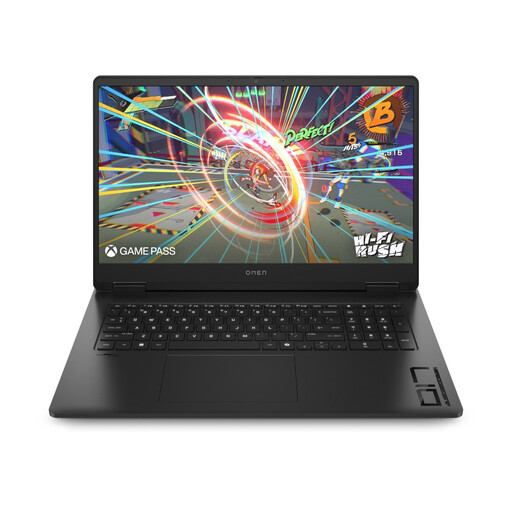
Consider this Windows 11 Home model if a 17-inch screen suits a desk-first coding setup. The listed configuration includes 16GB RAM, a 1TB SSD and RTX 5060 graphics. Check its size against your desk and carrying needs, as well as support for your course tools.
 No image available
Consider this 14-inch Windows-on-Arm laptop only after checking your essential applications and development dependencies. It lists a Snapdragon X processor, 16GB RAM and a 512GB SSD. Microsoft notes that plug-ins and kernel drivers need particular attention on Arm; check your container workflow too.
Choose the operating system and processor architecture that support your compulsory course and project tools. For Windows on Arm, Microsoft says emulation can run many applications, but third-party dependencies, plug-ins and kernel drivers still need checking; confirm macOS support just as carefully before choosing Apple silicon.
Yes, if the laptop meets Docker's requirements for the route your project uses. Docker documents x86_64 Windows backends and labels its Windows-on-Arm route Early Access, so check the selected processor architecture, Windows and WSL requirements, and any features your project needs.
You may need one if your display and wired peripherals exceed the laptop's available connections. Apple lists two Thunderbolt 4/USB-C ports on the cited 13-inch MacBook Air; check your intended display, cables and other devices against the exact laptop and any dock before ordering.
Seek a remedy for the faulty or misdescribed goods rather than treating the issue as a simple change of mind. Coventry City Council Trading Standards distinguishes fault-related rights from change-of-mind cancellation; keep the order and advertised specification, and check the applicable terms for the type of problem you have.