
24/7 Customer Support

Free returns

Same-day & Next-day Delivery

Quality Guaranteed

Unlock Your Welcome Offers: FREE Delivery | Up to 80% OFF | Free 30-day JoyPlus trial
Download the APP
Choosing the best coffee machine for home is less about chasing the highest pressure number or the longest feature list. The right choice depends on how much control you want, how often you make coffee, the space available in your kitchen and how willing you are to clean the machine.
A compact espresso machine may suit a flat with limited worktop space, while a bean to cup coffee machine can be more convenient for a busy household. Before buying, it is worth looking beyond promotional language and checking the specifications that affect everyday use.
Many product listings highlight 15, 19 or 20-bar pumps. This is a pump rating, not necessarily the pressure used throughout extraction. Espresso preparation also depends on grind size, coffee dose, tamping and temperature stability. A higher number alone does not guarantee a better-tasting drink.
Look for practical controls such as temperature adjustment, a pressure gauge, pre-infusion or a grinder with usable settings. These features can be more meaningful than the headline bar figure.
A coffee machine with milk frother can make cappuccinos and lattes convenient, but milk residue requires regular cleaning. Automatic milk carafes may offer rinse programmes, whereas a manual steam wand usually needs wiping and purging immediately after use.
If you rarely drink milk-based coffee, a simple espresso machine with a steam wand may be easier to maintain. If several people want cappuccinos each morning, an automatic system can reduce preparation steps, but you should still check how the milk components are dismantled and cleaned.
A machine may look compact in product photographs but still need clearance above the bean hopper, water tank or steam wand. Check width, depth and height, along with the position of the water tank and access to the drip tray.
For a coffee machine with a small footprint, a slim front-loading or side-access design can be more practical than a wider model with a top-mounted hopper.
A fully automatic coffee machine grinds beans, doses coffee and brews at the touch of a button. It is suitable for households that value speed and repeatable operation. Models such as the De’Longhi Magnifica Start and Philips Series 2200 include built-in grinders and adjustable strength settings.
A semi-automatic espresso machine requires more involvement. You normally grind into a portafilter, tamp the grounds and start extraction yourself. This gives greater control and suits aspiring home baristas, but it also creates more mess and a learning curve.
A manual espresso machine using ground coffee or ESE pods can be a sensible choice when you want a lower-complexity setup. A drip coffee maker is different again: it brews a larger pot of American-style coffee and is often suitable for offices, shared kitchens or drinkers who prefer a longer cup.
An integrated grinder reduces the need for a separate appliance. However, the number of settings should be considered alongside dose control and adjustment guidance. The De’Longhi La Specialista Arte offers eight grind settings, while the Sage Barista Pro provides 30 grind settings.
A machine that accepts only ground coffee can still produce enjoyable espresso, but you will need a separate grinder for freshly ground beans. Check whether the machine accepts ESE pods if convenience is important.
For cappuccino and latte preparation, compare the milk system carefully:
Also consider whether the machine can produce hot water for tea, longer coffee or an Americano. For iced coffee, an espresso machine can brew a concentrated shot over ice, but it will not chill the drink automatically. Use a heat-resistant glass and follow the manufacturer’s instructions.
Choose a model designed for the UK’s 220–240V mains supply and connect it to a suitable earthed socket. Do not immerse the main appliance in water, and allow hot components and steam wands to cool before cleaning.
Removable water tanks, drip trays and brew groups generally make routine care easier. Hard-water areas may require regular descaling or use of a compatible water filter. Always follow the supplied manual rather than relying only on general cleaning advice.
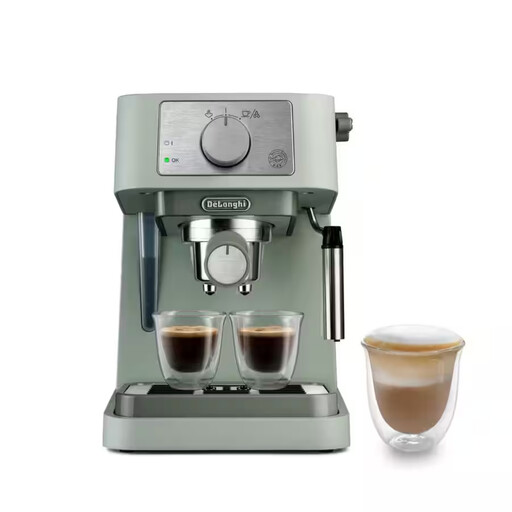
Why This Fits Their Persona: A straightforward option for beginners who want espresso and milk drinks without buying an integrated grinder. Its compact format is suitable for smaller UK kitchens.
It does not rely on a built-in milk carafe or complicated menu, making the cleaning routine easier to understand.
15-bar pump, manual stainless steel steam wand, ESE pod and ground-coffee compatibility, plus a two-tier drip tray.

Why This Fits Their Persona: Suitable for coffee drinkers who want detailed control over grinding, dosing, extraction and milk texturing at home.
Its display provides brewing information, while the integrated grinder offers 30 settings rather than relying on a single preset.
Integrated conical burr grinder, 54mm portafilter, volumetric shot control and manual steam wand.
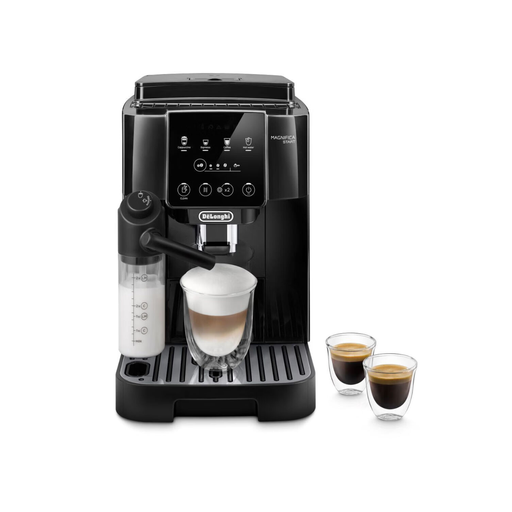
Why This Fits Their Persona: A convenient choice for households making several drinks daily and wanting one-touch espresso, coffee, cappuccino and hot water.
The removable 1.8-litre tank and automatic milk-system cleaning function make routine servicing more manageable.
250g bean hopper, 13 grinder settings, four one-touch recipes and adjustable coffee strength and temperature.
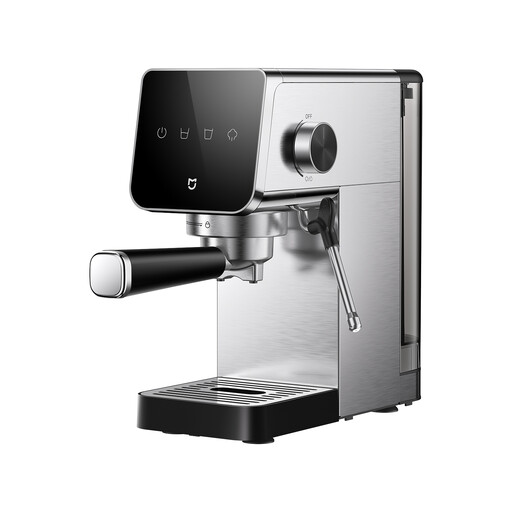
Why This Fits Their Persona: Its approximately 14cm width is practical for a narrow worktop, flat or coffee corner where every centimetre matters.
The slim body addresses the footprint problem directly, while NTC temperature control avoids relying only on a pump-pressure headline.
20-bar pump, 0.9-litre water tank, rotary steam wand and single- or double-serving controls.
We have compiled a complete, real-time list of products that fully satisfy these strict selection criteria and UK safety regulations.
A fully automatic bean to cup coffee machine usually involves the fewest manual steps. It can grind beans and brew a drink using preset controls. A semi-automatic or manual espresso machine offers more control but requires grinding, tamping and milk preparation.
Running costs include electricity, coffee beans, milk, water filters and descaling products. A machine with a grinder may reduce the need for a separate grinder, but beans and milk remain regular costs. Regular cleaning can also help prevent avoidable faults and maintain drink quality.