
24/7 Customer Support

Free returns

Same-day & Next-day Delivery

Quality Guaranteed

Unlock Your Welcome Offers: FREE Delivery | Up to 80% OFF | Free 30-day JoyPlus trial
Download the APP
Choosing between ground coffee, coffee beans, coffee bags and coffee machines can quickly become confusing. Marketing often focuses on pressure figures, capsule compatibility or stylish finishes, while the practical details that affect everyday use receive less attention.
This guide from the Joybuy Product Recommendation Officer focuses on the checks that help UK shoppers avoid unsuitable purchases and choose coffee-making equipment and supplies that match their routines.
Espresso machines often advertise figures such as 15, 19 or 20 bar. This describes the pump’s pressure range, not the complete quality of the drink. Coffee freshness, grind size, water temperature, dose and the filter design also affect the result.
For a compact espresso machine, check whether it uses ground coffee, E.S.E. pods, capsules or several formats. A high pressure number is less useful if the machine does not accept the coffee format you already buy.
Pod coffee machines are not automatically interchangeable. A machine may accept one capsule system but not another, even when the pods look similar. Always check the exact format and adapter supplied.
The same applies to coffee machine water filters. Replacement cartridges may fit selected models from De’Longhi, Siemens, Bosch, Krups, Melitta or Nivona, but compatibility should be confirmed against your machine’s model number before ordering.
A large water tank can be useful for an office or busy household, but it takes up more space and may be inconvenient to clean. A small drip coffee maker may suit one or two people better.
Also check cup clearance, jug size, cable position and cleaning access. For portable espresso makers, consider whether you will have access to hot water, since many manual models do not heat water themselves.
A 600 ml reservoir may suit personal use, while a 1.1-litre tank is more suitable for several servings. Compare the stated capacity with your preferred mug size, as manufacturers’ cup measurements can differ from a typical UK mug.
For powered coffee makers UK buyers should check the product’s electrical specification. The HiBREW H2B, for example, lists 220–240 V operation, which corresponds to the UK domestic supply. Place any machine on a stable, heat-resistant surface and follow the supplied safety instructions.
Limescale can build up more quickly in hard-water areas. A compatible coffee machine water filter may help reduce certain impurities and limescale, but it does not remove the need for descaling and regular cleaning.
Check:
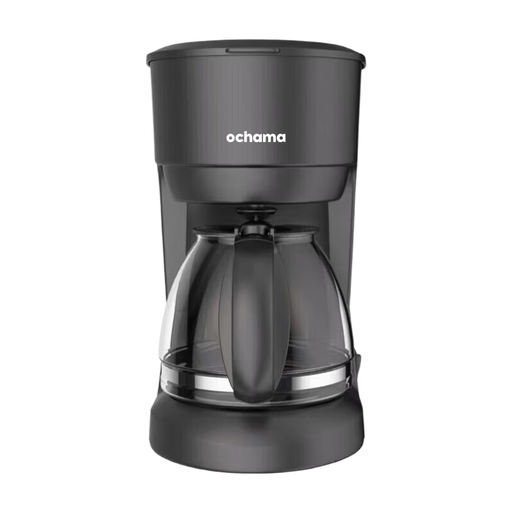
Why This Fits Their Persona: Its compact format and 750 ml water tank suit small kitchens, personal use and basic office brewing without a complicated setup.
The stated capacity is clear, helping buyers compare it with their actual serving needs rather than choosing by an inflated cup count.
600 W operation, automatic brewing, 30-minute keep-warm function and detachable parts for cleaning.

Why This Fits Their Persona: It is suited to households wanting one-touch espresso and milk-based drinks, including hot or iced recipes.
The listing identifies the required Lavazza A Modo Mio capsule system, so buyers can account for capsule availability and running costs.
1.1-litre water tank, integrated hot and cold milk frother, glass mug and automatic standby mode.

Why This Fits Their Persona: The non-electric design is practical for travel, camping, car use or an office without a suitable powered coffee maker.
It clearly requires hot water and ground coffee, avoiding the mistaken expectation that a cordless product heats water independently.
Manual operation, foldable construction, washable detachable parts and capacity of up to 24 g of grounds.
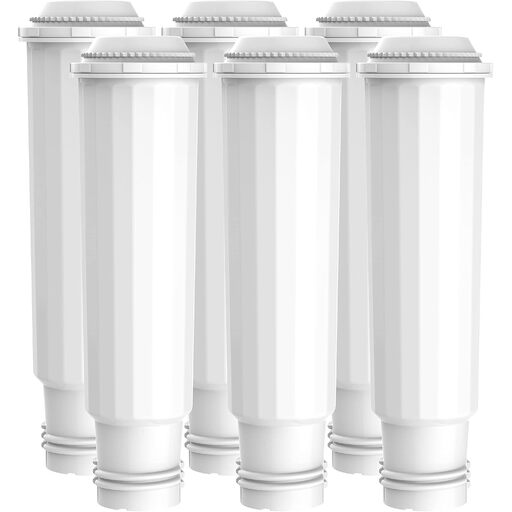
Why This Fits Their Persona: A multi-pack is convenient for regular coffee machine users who want replacement filters available without ordering one at a time.
The listed compatibility includes selected Krups, Melitta, Nivona, Bosch, Siemens, AEG and Neff models, making model checking essential before purchase.
Contains ion-exchange resin and granular activated carbon; the listed guidance suggests replacement approximately every two months, depending on use and water quality.
For a cafetière or filter coffee maker, Costa Coffee Mocha Italia Signature Blend Ground is supplied as 200 g of medium-ground roasted coffee. Store it in a cool, dry place and use an airtight container after opening.
For a quick single-cup method, Taylors of Harrogate Rich Italian Coffee Bags contain individually wrapped ground coffee bags. Rombouts Original Compostable One Cup Filter Coffee uses one-cup filters made with natural sugar cane fibres and plant-based paper, subject to local waste and composting arrangements.
Those who prefer pour-over coffee may wish to pair ground coffee with the BJ 800-Mesh 304 Stainless Steel Pour Over Coffee Filter. A reusable metal filter avoids repeated paper filter purchases, although it needs thorough rinsing after use.
We have compiled a complete, real-time list of products that fully satisfy these strict selection criteria and UK safety regulations.
Running cost depends on the coffee format, electricity use, cleaning products and replacement filters. Pod coffee machines can be convenient, but capsule prices may be higher per serving than ground coffee. Compare the cost per cup, not only the machine’s purchase price.
Follow the machine and cartridge instructions. Some listed replacement filters suggest around two months, while actual intervals vary with water hardness and usage. A filter does not replace descaling; both tasks should be completed according to the manufacturer’s guidance.
Usually, filter coffee involves fewer variables: add ground coffee, water and a suitable paper or reusable filter. Espresso requires more precise attention to dose, grind, tamping and extraction. For straightforward home brewing, a drip coffee maker or coffee bags may be more convenient.