
24/7 Customer Support

Free returns

Same-day & Next-day Delivery

Quality Guaranteed

Unlock Your Welcome Offers: FREE Delivery | Up to 80% OFF | Free 30-day JoyPlus trial
Download the APP
Moving on from instant coffee is a common goal for anyone looking to elevate their daily routine. The promise of a café-quality drink at home is appealing, but the sheer number of options can be overwhelming. A coffee pod machine offers a fantastic balance of convenience, consistency and quality, making it an ideal first step into the world of home-brewed espresso.
This guide is designed to help you navigate the key features and find a machine that suits your lifestyle, whether you need a quick one-touch cappuccino before work or want to start honing your barista skills.
Making the right choice comes down to understanding a few key factors. By considering these points, you can narrow down the options to a machine that will fit seamlessly into your kitchen and daily habits.
The first question to ask is what kind of coffee you want to drink. Many brands operate a "closed system," meaning their machines are only compatible with their own pods. This ensures quality control and a consistent flavour profile. Others offer more flexibility. For instance, a multi capsule coffee machine comes with adapters to fit various pod brands, while an ESE pod machine uses "Easy Serving Espresso" pods, which are open-standard paper pods that look like small, round tea bags. Consider whether you prefer the curated experience of a single brand or the freedom to explore different coffee types.
If you are a fan of lattes, flat whites or a classic cappuccino maker, the milk frothing capability is crucial. Some machines feature a fully integrated coffee machine with milk frother that prepares the milk and combines it with the coffee at the touch of a button. Others have a manual steam wand, giving you more control over the milk's texture and temperature. With the growing popularity of chilled drinks, some models now even function as an iced coffee maker by frothing milk without heat.
The heart of any espresso machine for home is its pump. Pressure, measured in bars, is the force used to push water through the coffee grounds. A pressure of 15 bar to 20 bar is a strong indicator of a machine's ability to produce a rich espresso with a stable crema. Beyond performance, consider the physical footprint. Kitchen counter space is often at a premium, making a slim coffee machine an attractive and practical choice for many UK homes.
Based on features, user convenience and design, here are our recommendations for those looking to find their ideal coffee pod machine.
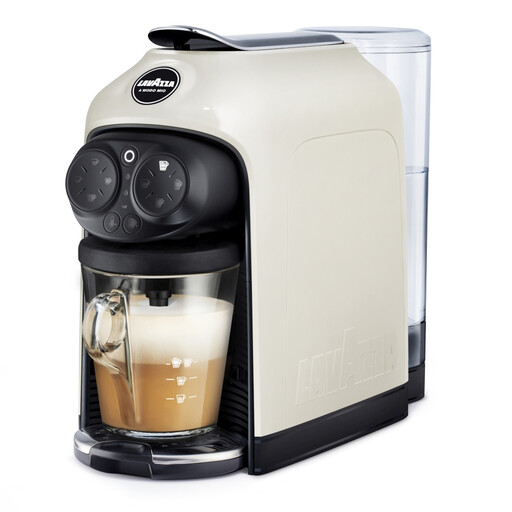
Why It Stands Out: The Lavazza Deséa is the definition of effortless elegance. It is designed for those who want a premium, one-touch experience without any complexity. Its standout feature is the integrated milk frother that works for both hot and cold drinks, making it perfect for everything from a morning cappuccino to a refreshing iced latte in the afternoon. Its quiet operation (under 43 dB) ensures a peaceful start to your day.
Pros:
Who is it for? This machine is ideal for busy individuals or families who value convenience and consistency. If you want barista-style drinks without the learning curve, the Deséa delivers a luxurious and simple solution.
Learn more about the Lavazza A Modo Mio Deséa
Why It Stands Out: The GASTROBACK Piccolo Pro brings professional-grade features into a remarkably compact package. At just 15 cm wide, this slim coffee machine is perfect for smaller kitchens. It is built for the aspiring home barista, featuring a portafilter, a powerful 15 bar ULKA pump and a pressure gauge (manometer) that gives you real-time feedback on your espresso extraction. The manual steam wand offers complete control for texturing milk.
Pros:
Who is it for? This is for the coffee enthusiast who enjoys the ritual of making coffee and wants to have more control over the final result. If you want to experiment with grind size, tamping pressure and milk texture, the Piccolo Pro is an excellent choice.
Explore the features of the GASTROBACK Piccolo Pro
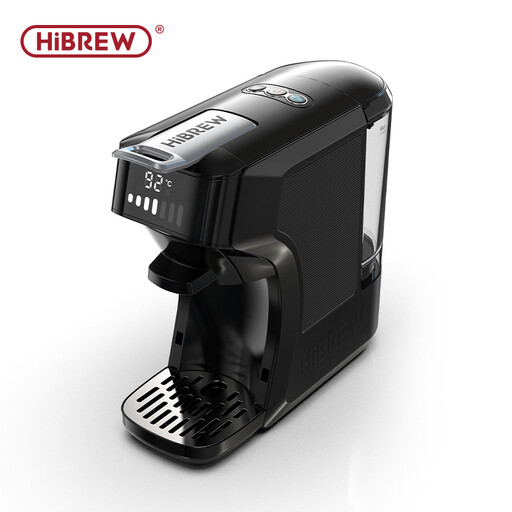
Why It Stands Out: The HiBREW H1C is all about versatility and value. As a multi capsule coffee machine, it breaks the mould of being locked into one pod system. It comes with a set of adapters that make it compatible with several popular capsule types as well as ground coffee. With a powerful 20 bar pressure pump and both hot and cold brewing modes, it offers a huge range of functions in a small, affordable unit.
Pros:
Who is it for? This machine is perfect for students, renters or anyone who wants maximum flexibility without a large investment. If you enjoy trying different coffee brands or live in a household with varied tastes, the HiBREW H1C is an incredibly practical choice.
Discover the versatility of the HiBREW H1C
While these three models cover a wide range of needs, they are just a starting point. Every coffee drinker has unique preferences, and the right machine for you might have a different set of features.
If you're still exploring, browse our full collection of espresso pod machines to find the ideal model for your kitchen.
1. What is the difference between 15 bar and 20 bar pressure in a coffee machine? Bar pressure refers to the force used to push water through the coffee. While the accepted industry standard for a true espresso is around 9 bars at the group head, a higher rating like 15 bar or 20 bar on a home machine indicates a powerful pump capable of achieving consistent and effective extraction. It is a good measure of the machine's potential, though the final taste also depends on the coffee, grind and temperature.
2. Can you use any pod in any coffee machine? Generally, no. Most pod machines are designed as closed systems for specific capsules to ensure consistent results. However, a multi capsule coffee machine like the HiBREW H1C is an exception, as it includes adapters to fit various pod types. Always check the machine's specifications for compatibility before purchasing pods.
3. Is it worth getting a coffee machine with a milk frother? If you regularly drink milk-based coffees like cappuccinos or lattes, a coffee machine with milk frother is highly recommended for its convenience. An integrated system automates the process, while a manual steam wand offers more control. If you primarily drink espresso or black coffee, this feature may not be essential.