
24/7 Customer Support

Free returns

Same-day & Next-day Delivery

Quality Guaranteed

Unlock Your Welcome Offers: FREE Delivery | Up to 80% OFF | Free 30-day JoyPlus trial
Download the APP
Investing time and money into achieving your perfect hair colour, only to see it fade or turn brassy after a few washes, is a common frustration. While shampoo often gets the spotlight, the right conditioner for coloured hair is just as crucial for locking in vibrancy and maintaining hair health. However, the market is filled with promises that don't always deliver, making it easy to choose a product that either weighs your hair down or fails to provide adequate protection.
As the Joybuy Product Recommendation Officer, my role is to help you navigate these choices. This guide will break down the common purchasing traps and highlight the key features to look for, ensuring your next conditioner works to protect your colour, not compromise it.
Many people find their colour-care routine isn't as effective as they'd hoped. This is often due to a few overlooked details when selecting a conditioner.
To make an informed choice, focus on these three non-negotiable aspects. They are far more important than marketing hype.
While a sulphate-free conditioner for coloured hair is important for gentle care, the ingredients that are included matter just as much. Look for formulas with:
The effectiveness of a conditioner is directly linked to how well it suits your hair's structure.
For those with blonde, grey or highlighted hair, a standard conditioner won't address the inevitable brassiness.
Based on these practical criteria, here are a few conditioners suited to distinct user needs.
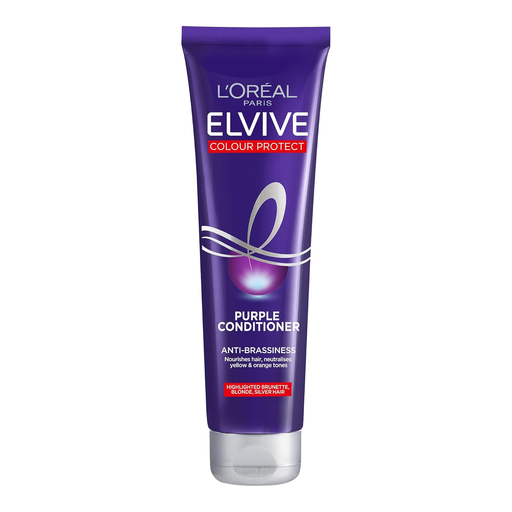
Why This Fits Their Persona: This user needs more than just general colour protection; they need active colour correction. This conditioner is specifically for those with blonde, silver or highlighted hair who want to neutralise the yellow and orange tones that appear between salon visits.
It directly counters the "Ignoring Your Specific Colour Challenge" pitfall by providing a targeted solution with its purple pigments, rather than being a generic colour-safe product.
Provides instant colour correction by neutralising brassiness while also delivering intensive nourishment to hair that is often dry from bleaching.
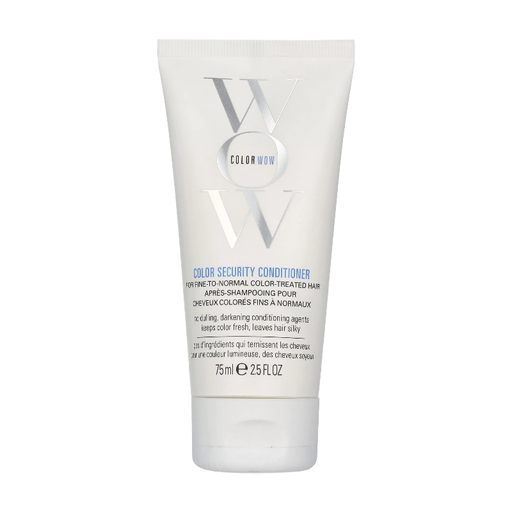
Why This Fits Their Persona: This user wants to protect their colour investment without sacrificing volume. Their fine hair is easily weighed down, so they need a professional colour safe conditioner that detangles and hydrates without leaving a heavy film.
It avoids the "Hidden Build-Up Trap" by using eight non-oxidising conditioning agents that won't dull colour and it's specifically formulated to be lightweight, tackling the "One-Size-Fits-All" myth.
Its patented Sealicon Complex creates a protective, high-gloss shield around each strand, providing thermal protection and detangling without any weight.
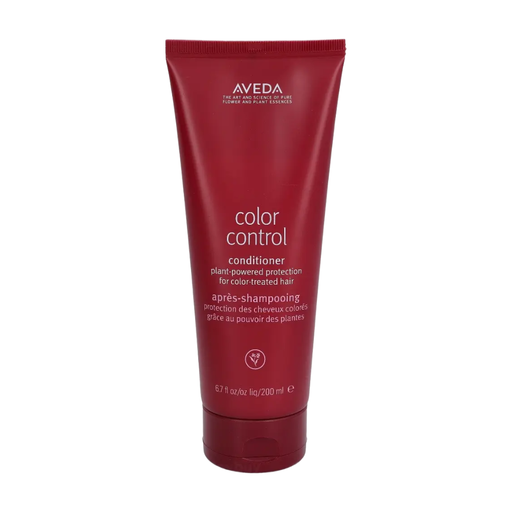
Why This Fits Their Persona: This user prioritises plant-based ingredients and avoids silicones. They want high-performance colour protection from a brand with a strong commitment to natural origins and vegan formulas, without compromising on results.
This conditioner is silicone-free, directly addressing the "Hidden Build-Up Trap" that can dull colour. Its plant-powered formula detangles and seals the cuticle without heavy synthetic ingredients.
It is 97% naturally derived and uses omega-rich apricot oil to nourish and seal the hair cuticle, helping to lock in colour and provide a radiant shine.
We have compiled a complete, real-time list of products that fully satisfy these strict selection criteria and UK safety regulations.
For most people, using a purple conditioner for brassy hair once a week is sufficient to maintain a cool tone. If your hair is particularly prone to brassiness or you've just had it freshly lightened, you might use it twice a week. On other wash days, use a regular conditioner for coloured hair to avoid over-toning, which can give hair a slight lilac tint.
Not necessarily, but it won't help preserve it either. Conditioners specifically formulated for coloured hair contain ingredients designed to seal the cuticle and often include UV filters. A regular conditioner lacks these protective features, meaning your colour is more susceptible to fading from washing and environmental exposure.
While sulphates (like SLS and SLES) are primarily foaming agents found in shampoos, some conditioners can contain harsher detergents or ingredients that strip natural oils and colour. A "sulphate-free" label on a conditioner generally indicates a gentler formulation that is less likely to cause colour to leach from the hair shaft, helping to prolong its vibrancy.