
24/7 Customer Support

Free returns

Same-day & Next-day Delivery

Quality Guaranteed

Unlock Your Welcome Offers: FREE Delivery | Up to 80% OFF | Free 30-day JoyPlus trial
Download the APP
Dealing with hair that feels dry, brittle or frizzy is a common frustration. Whether from heat styling, colouring or just the lovely British weather, damaged hair needs more than a standard conditioner. But with so many products promising miraculous transformations, it's easy to choose one that doesn't deliver, leaving your hair weighed down or just as dry as before.
As the Joybuy Product Recommendation Officer, my role is to help you navigate the crowded shelves. Let's look at the common pitfalls to avoid and what really matters when selecting a conditioner for damaged hair.
Many of us have been tempted by compelling marketing, only to be disappointed by the results. Here are two frequent traps to be aware of:
To find a truly effective product, focus on the formulation rather than the marketing claims. Here are the core parameters to check before you buy.
Not all damage is the same. The right ingredients depend on the cause of your hair's distress.
Beyond the "hero" ingredients, the base of the conditioner is crucial.
Instead of a one-size-fits-all approach, we've matched some effective options to specific needs and budgets, helping you find the right fit for your hair.
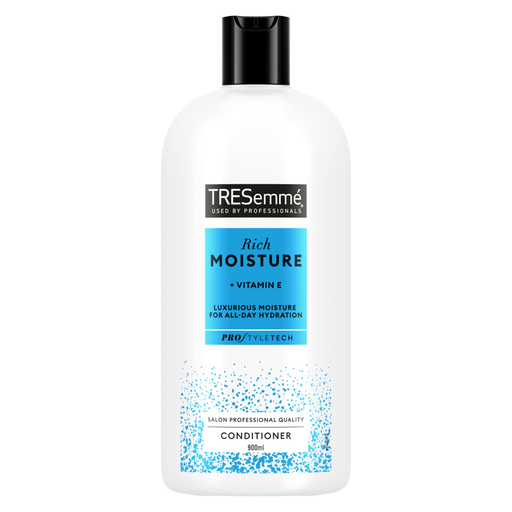
Why This Fits Their Persona: For families or anyone needing a reliable, everyday solution that won't break the bank, this large 900ml bottle offers exceptional value. It's a trusted high-street brand that delivers consistent moisture for general dryness and damage.
It avoids being a simple "silicone quick fix" by incorporating Vitamin E and a PRO Style Technology with amino acids and ceramide. This provides genuine nourishment and strength, not just a cosmetic coating.
Delivers luxurious moisture for all-day hydration, leaving hair soft and manageable. The professional-quality formula is designed to work from the inside out.
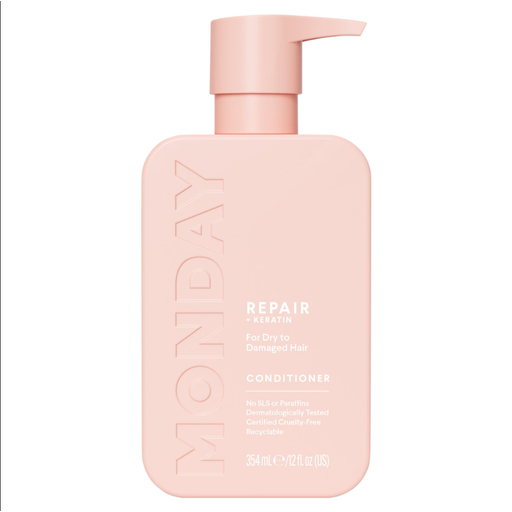
Why This Fits Their Persona: If your hair is showing signs of stress from frequent colouring, bleaching or heat styling, you need a formula focused on structural repair. This conditioner is specifically designed for damaged and depleted hair.
This goes beyond a surface-level fix. It contains Hydrolysed Keratin, a protein that helps rebuild the hair's damaged structure. It combines this with a rich blend of Coconut Oil, Shea Butter and Argan Oil for deep nourishment.
The formula is pH balanced, dermatologically tested and free from parabens and sulfates. It helps restore strength and shine, leaving hair feeling soft and smooth.
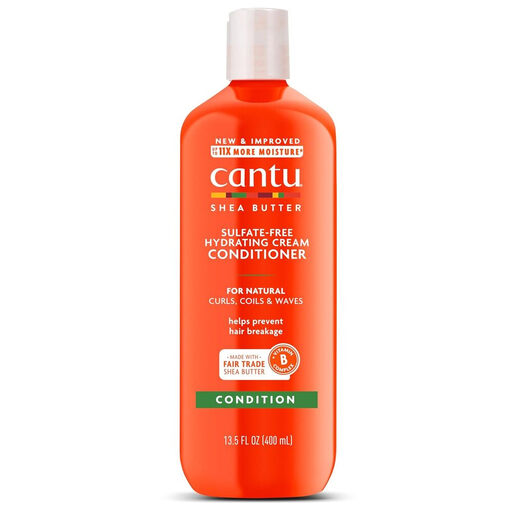
Why This Fits Their Persona: Ideal for those with naturally curly, coily or wavy hair that is prone to dryness. This conditioner is formulated without harsh ingredients that can strip delicate hair textures of their natural oils.
This product sidesteps the "miracle ingredient" trap by placing its hero ingredient, Butyrospermum Parkii (Shea) Butter, as the third ingredient on the list. This confirms a high concentration, ensuring it delivers powerful moisture.
Its unique sulfate-free formula helps hair retain its natural oils, moisturises dry and brittle hair, and helps protect against split ends. It is free from mineral oil, parabens and silicones.
We have compiled a complete, real-time list of products that fully satisfy these strict selection criteria and UK safety regulations.
For severely dry or damaged hair, using a rich, hydrating conditioner every time you wash (which might be 2-3 times a week) is generally beneficial. For less intense damage, you could alternate with a lighter, regular conditioner. Always check the product's directions, as some intensive hair repair treatments are formulated for weekly, rather than daily, use.
This is a valid concern. Heavy formulas with lots of butters and oils, while excellent for coarse hair, can leave fine hair looking flat. If you have fine but damaged hair, seek out conditioners that are described as "lightweight" or "volumising". Look for strengthening ingredients like hydrolysed proteins (e.g., wheat or soy protein), biotin or collagen. A good technique is to apply conditioner only from the mid-lengths to the ends, avoiding the root area.
A standard rinse-off conditioner is designed for frequent use. Its main job is to smooth the hair's outer layer (the cuticle), detangle and provide a quick dose of moisture after shampooing. It's typically left on for 2-3 minutes. A hair repair treatment or mask is a more concentrated product. It contains a higher percentage of active ingredients and is designed to be left on for longer (from 5 to 20 minutes) to allow these ingredients to penetrate deeper into the hair shaft for more significant, lasting repair.