
24/7 Customer Support

Free returns

Same-day & Next-day Delivery

Quality Guaranteed

Unlock Your Welcome Offers: FREE Delivery | Up to 80% OFF | Free 30-day JoyPlus trial
Download the APP
Dealing with hair that feels dry, brittle or looks frizzy can be a constant source of frustration. Whether the damage comes from colouring, heat styling or just the daily grind, finding a conditioner that actually helps can feel like searching for a needle in a haystack. The shelves are packed with promises, but many products fall short, leaving you with the same problems and less money in your pocket.
As the Joybuy Product Recommendation Officer, my role is to help you navigate the market and understand what truly makes a difference. Before you make your next purchase, let's look at a few common pitfalls that lead to disappointing results.
To make an informed choice, focus on the formula's function rather than just its marketing claims. Here are the core parameters to check.
Not all damage is the same. The right conditioner will depend on how your hair became compromised.
Look past the hero ingredient and check for a balanced blend of these functional components:
For hair that is severely damaged, a traditional rinse-out conditioner may not be enough. A leave-in conditioner for damaged hair provides continuous nourishment and protection throughout the day. It's an excellent tool for detangling, controlling frizz and often provides heat protection, making it an essential step for anyone who regularly uses styling tools.
Based on these practical criteria, we've matched several conditioners to different user needs. These selections are chosen for their formulation, intended use and value.
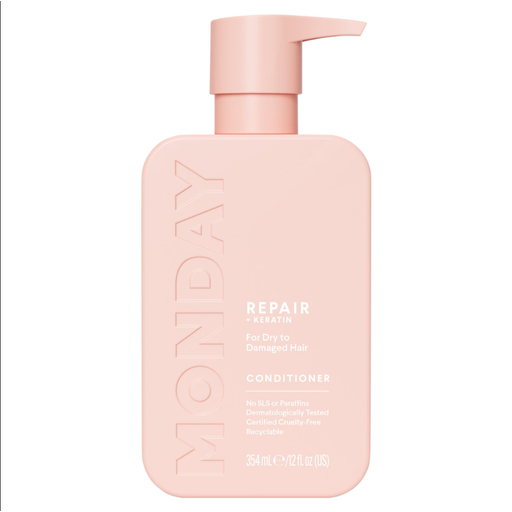
Why This Fits Their Persona: An excellent choice for students or anyone needing an effective, everyday solution without a high price tag. It addresses general dryness and damage from heat styling, making it a great all-rounder.
It avoids the "miracle ingredient" trap by offering a balanced formula with both protein (Hydrolysed Keratin) and emollients (Shea Butter, Coconut Oil), providing both strengthening and moisturising benefits.
It is pH-balanced, dermatologically tested and sulphate-free, offering a well-considered formulation at an accessible price point.
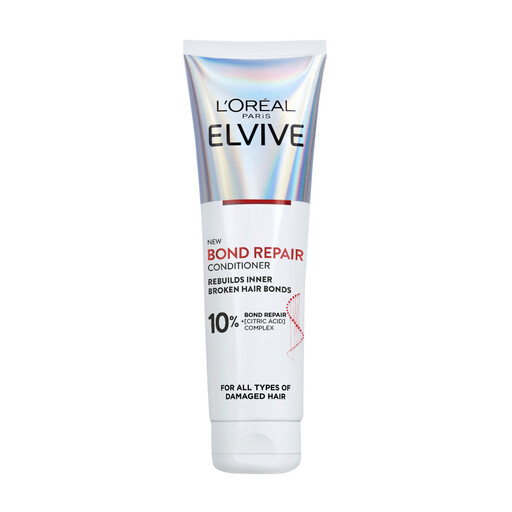
Why This Fits Their Persona: Ideal for those who regularly bleach or colour their hair and are dealing with the resulting weakness and brittleness. This is for someone seeking a targeted, intensive treatment for chemical damage.
This product directly counters the "moisturising vs. repairing" confusion. Its primary function, powered by a Citric Acid Complex, is to penetrate and help reinforce broken hair bonds, addressing the structural problem, not just the surface feel.
It is designed as part of a complete bond repair system. According to the brand's own information, using the full routine can lead to significantly less breakage and stronger hair.
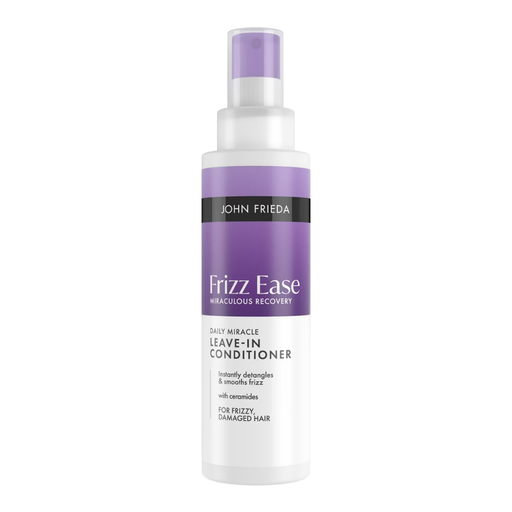
Why This Fits Their Persona: Perfect for those who battle frizz in the damp UK climate and rely on heat tools for a smooth finish. This leave-in formula offers continuous control and vital protection against styling damage.
It's a multi-functional product that goes beyond simple conditioning. It combines repair (Argan oil, Keratin) with practical, everyday needs like heat protection and humidity resistance, offering a more complete solution for a styler's routine.
Provides heat protection up to 230°C and is formulated to be gentle, with 82% freedom from the top 11 common allergens, making it suitable for those with sensitive scalps.
We have compiled a complete, real-time list of products that fully satisfy these strict selection criteria and UK safety regulations.
For most rinse-out repair conditioners, it is beneficial to use them every time you wash your hair to maintain moisture and manageability. For more intensive treatments, such as a bond repair conditioner or a deep-conditioning mask, using them once or twice a week in place of your regular conditioner is typically sufficient. A leave-in conditioner for damaged hair can be applied to damp hair after every wash and even used sparingly on dry hair to tame flyaways and add a touch of moisture.
No product can permanently fuse split ends back together; the only true solution for split ends is a haircut. However, a good keratin conditioner or a strengthening conditioner can significantly improve their appearance. These products work by temporarily sealing the split cuticle, which smooths the hair shaft, reduces frizz and helps prevent the split from travelling further up the hair. This gives your hair a healthier look and feel between trims.
Not always. While sulphate-free conditioners UK are generally a gentler choice, their suitability depends on your hair type and styling routine. If you frequently use styling products containing silicones or waxes, a very mild conditioner might not effectively remove the build-up. This can leave your hair feeling heavy, greasy or dull. The key is to find a formula that cleanses your hair adequately for your needs without stripping it of its essential natural oils.