
24/7 全天候客户支持

免费退货

当日/次日达

品质保障

开启新人专享福利: 全场免邮 | 低至 2 折 | 免费试用 30 天 JoyPlus 会员
下载 Joybuy
Fine, weak or damaged hair often needs conditioning, but the wrong formula can leave it flat, greasy or difficult to style. If you are comparing the best conditioner for thinning and damaged hair, focus less on dramatic packaging claims and more on the formula, your hair’s condition and how you plan to use it.
A conditioner can improve softness, manageability, shine and the appearance of fullness. It cannot diagnose or treat the underlying causes of hair loss. Persistent shedding, sudden thinning or scalp changes should be discussed with a GP or qualified healthcare professional.
A volumising conditioner may coat or hydrate the strands so hair looks fuller after washing. That is different from creating new growth. Terms such as “hair loss conditioner” can be used broadly, so check whether the product is designed for cosmetic conditioning, scalp care or a wider routine.
Protein, oils, silicones and rich conditioning agents can help different concerns, but more is not automatically better. Very fine hair may look weighed down by heavy butters or oils, while porous, bleached hair may need richer smoothing and bond-supporting ingredients.
Heat damage, colouring, brushing and dryness can create different problems. A bond repair conditioner is positioned for structurally compromised hair, while a protein conditioner focuses on formulas containing hydrolysed proteins. A lightweight conditioner may be preferable for fragile hair that loses volume easily.
For fine or thinning-looking hair, look for a lightweight, rinse-off formula and apply it mainly from the mid-lengths to the ends. Products described as a thickening conditioner for fine hair commonly use film-forming or moisturising ingredients to improve the feel and appearance of individual strands.
If your hair is coarse, curly, bleached or highly porous, a richer conditioner may offer better detangling and frizz control. Avoid applying substantial amounts directly to the scalp unless the label specifically recommends it.
Useful ingredient categories include:
A sulphate-free conditioner may suit shoppers who prefer to avoid sulphate cleansing agents, although conditioner itself is not usually the main source of cleansing. Always check the current packaging because formulations can change.
A 500ml bottle may offer practical value for regular use, whereas a 150ml bottle may be convenient for trying a targeted routine. Check the recommended leave-on time, whether the product is intended for daily use and whether it is colour-treated-hair friendly.
Conditioner is normally used after shampooing, with excess water squeezed out first. Apply through the lengths and ends, leave it for the stated period—often two to five minutes—and rinse thoroughly. Using more product than necessary will not necessarily improve results.
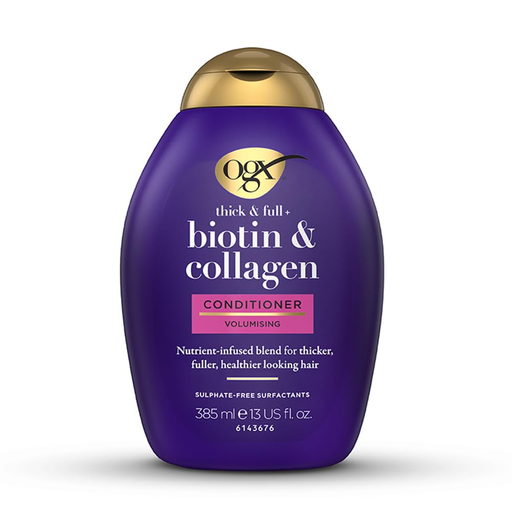
Why This Fits Their Persona: A practical option for men and women seeking a fuller-looking finish without committing to a small specialist bottle. The 385ml size suits regular washing in a typical UK household.
The label identifies a sulphate-free surfactant system, biotin, collagen and hydrolysed wheat protein, making the product’s positioning clearer than a vague volume promise.
385ml capacity; designed for fine or thin hair; three-to-five-minute application time.
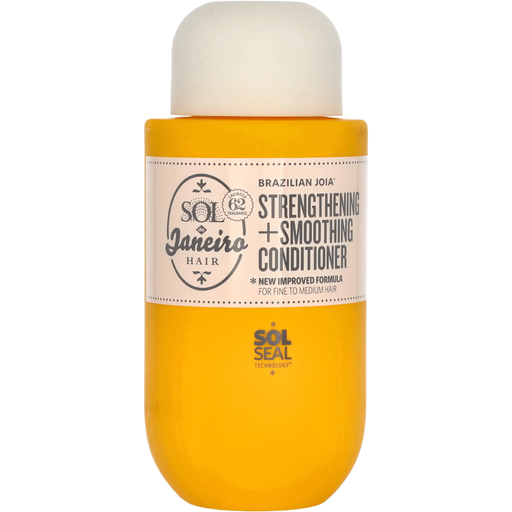
Why This Fits Their Persona: Suitable for shoppers prioritising a richer sensory routine alongside smoothing care for dry, frizzy or damaged hair.
Its product information clearly identifies a sulphate-free formula, smoothing purpose and Brazil nut content, helping shoppers check suitability before purchase.
295ml size; includes shea butter, squalane and plant oils; note that it contains nuts.
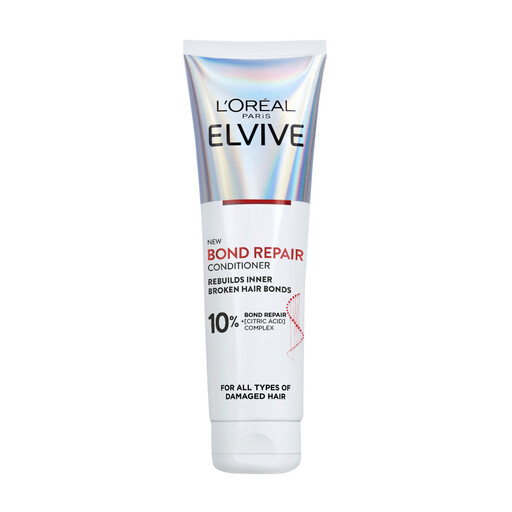
Why This Fits Their Persona: A targeted choice for hair affected by bleaching, colouring, heat styling or frequent brushing, particularly when detangling and frizz are everyday concerns.
The formula names a Citric Acid Complex and gives a clear three-minute application method, rather than relying only on general “repair” wording.
Designed as the third step in a bond repair routine; smoothing formula supports detangling and frizz control.
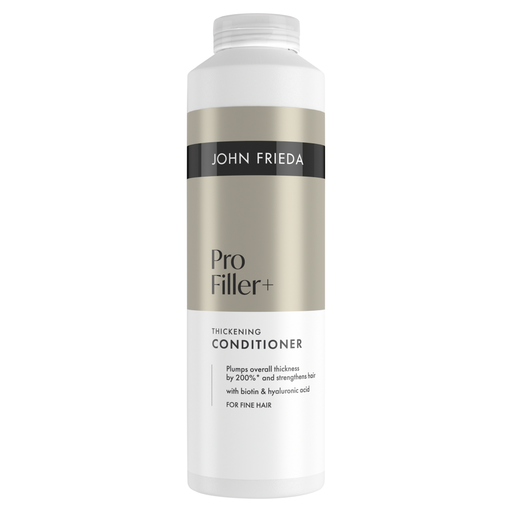
Why This Fits Their Persona: The larger bottle suits frequent users who want a lightweight thickening conditioner for fine hair and prefer a vegan, silicone-free formula.
The product details specify the 500ml volume, silicone-free format and intended use with the matching shampoo and spray, so expectations are easier to set.
Contains biotin and hyaluronic acid; listed as vegan and colour-treated-hair friendly.
We have compiled a complete, real-time list of products that fully satisfy these strict selection criteria and UK safety regulations.
A conditioner can help hair feel smoother and reduce friction during detangling, which may help minimise cosmetic breakage. It should not be treated as a medical solution for hair loss. If shedding is persistent or sudden, seek professional medical advice.
Most people can use a lightweight conditioner after shampooing, applying it from the mid-lengths to the ends. If hair looks flat, reduce the amount, rinse more thoroughly or choose a lighter volumising conditioner.
Usage depends on hair length, density and washing frequency. A 150ml bottle may suit occasional or targeted use, while 385ml and 500ml options are more practical for regular routines. Store the product as directed and follow the packaging guidance after opening.