
24/7 Customer Support

Free returns

Same-day & Next-day Delivery

Quality Guaranteed

Unlock Your Welcome Offers: FREE Delivery | Up to 80% OFF | Free 30-day JoyPlus trial
Download the APP
Finding the right cooking sauces and seasonings can feel like navigating a maze. You want to recreate that incredible dish from your favourite restaurant or a meal from your childhood, but the supermarket aisle presents a wall of jars all claiming to be "authentic." Many UK home cooks find themselves disappointed when a promising-looking sauce turns out to be overly sweet, excessively salty or simply lacking the vibrant flavour it promised. This guide will help you see past the marketing and choose the world food ingredients that will genuinely elevate your home cooking.
Before stocking your pantry, it helps to be aware of a few common traps that can lead to wasted money and bland meals.
To ensure you are getting value and flavour, focus on these key parameters. They are far more telling than the claims on the front of the bottle.
The most reliable indicator of quality is the order of ingredients. For a rich, flavourful sauce, the main component should be listed first or second.
The country of origin also provides a clue. A Thai curry paste made in Thailand or a Japanese marinade from Japan is more likely to adhere to traditional recipes and flavour profiles.
Nutritional information is not just for health-watchers; it is a window into the product's quality. Check the "per 100g" column to make fair comparisons. An unusually high sugar content can indicate that sweetness is being used to mask a lack of quality ingredients. Similarly, while salt is a crucial preservative and flavour component, excessive levels can overwhelm a dish.
Flavour enhancers like Monosodium Glutamate (MSG, E621) are common in many Asian cooking sauces. While perfectly safe for most people, their heavy use can sometimes signal that the base ingredients lack natural depth.
Instead of providing a simple list, we have matched our recommendations to specific types of home cooks. This helps ensure the product you choose fits your needs and cooking style.
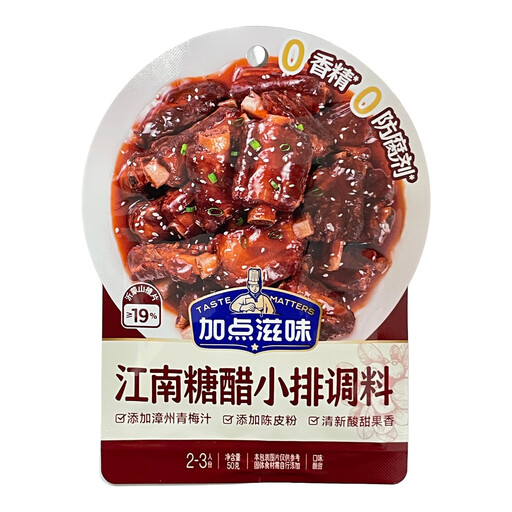
Why This Fits Their Persona: For those short on time, this seasoning packet removes the guesswork from creating a classic sweet and sour dish. It is a one-step solution that delivers a specific, regional Jiangnan-style flavour without needing to buy and measure multiple ingredients.
It avoids the "one-size-fits-all" trap by focusing on a specific regional profile. The flavour is derived from hawthorn and green plum juice, not just generic sugar and vinegar.
Ultimate convenience for a specific dish. The natural red colour comes from red yeast rice, avoiding artificial colourings.
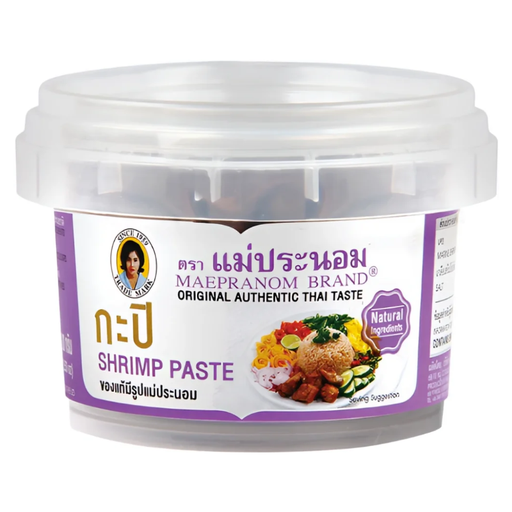
Why This Fits Their Persona: This is for the cook who wants to build flavours from the ground up. Shrimp paste is a non-negotiable, foundational ingredient for countless authentic Thai curries and dips. It provides a pungent, savoury depth that pre-made sauces cannot replicate.
It sidesteps the "inauthentic flavour" pitfall entirely. With an ingredient list of just shrimp (65%) and salt, this is a pure, unadulterated base ingredient, not a diluted sauce.
Provides the essential, concentrated umami for genuine Thai cooking. A little goes a long way, offering excellent value and control over the final flavour of your dish.
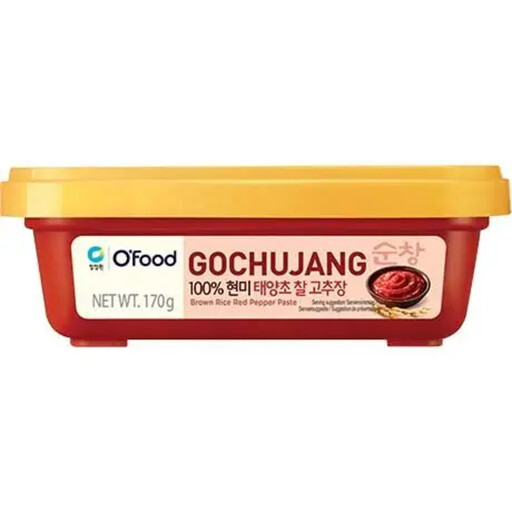
Why This Fits Their Persona: For anyone keen to dive into Korean cooking, gochujang is the cornerstone. This paste offers the signature sweet, savoury and spicy profile that is essential for dishes like bibimbap, tteokbokki and countless marinades and stews.
This is a fundamental paste, not a ready-made sauce. It delivers the core flavour of Korean cuisine, allowing you to control the final taste, rather than being a generic "spicy sauce."
Highly versatile. It can be used as a base for dozens of recipes, from simple dipping sauces to complex stews, making it a powerful and economical addition to the pantry.
We have compiled a complete, real-time list of products that fully satisfy these strict selection criteria and UK safety regulations.
1. How long do cooking sauces last after opening? This varies significantly. Sauces high in salt, vinegar or sugar, such as soy sauce or sweet chilli sauce, can last for several months in the refrigerator. Those containing dairy, nuts or fresh ingredients have a much shorter shelf life. Always refer to the storage instructions on the label, keep the product refrigerated after opening and use a clean utensil to prevent contamination.
2. What is the difference between light and dark soy sauce? This is a common point of confusion for those new to Chinese cooking. Light soy sauce is thinner, saltier and used primarily for seasoning and adding umami flavour to dishes. Dark soy sauce is aged longer with molasses or caramel, making it thicker, darker and less salty with a hint of sweetness. It is used mainly to add a rich, dark colour to stews, braises and noodle dishes.