
24/7 Customer Support

Free returns

Same-day & Next-day Delivery

Quality Guaranteed

Unlock Your Welcome Offers: FREE Delivery | Up to 80% OFF | Free 30-day JoyPlus trial
Download the APP
As a Joybuy Product Recommendation Officer, I see how a simple tin of corned beef can be a lifesaver for quick, hearty meals. It’s a classic British pantry staple for a reason, perfect for everything from a quick sandwich to a comforting corned beef hash. However, the quality can vary dramatically from one tin to the next.
Many shoppers find themselves disappointed by products that don't live up to expectations. Before you stock your cupboards, it’s worth knowing how to sidestep a few common pitfalls that can lead to a dissatisfying meal and wasted money.
tinned beef is the same. The percentage of actual beef can vary, with some products containing more filler or water, resulting in a less flavourful and satisfying product.To ensure you're getting a quality product, a quick check of the label is essential. Focus on these key parameters to make a confident choice.
The most important factor is the amount of beef in the tin. Look for the ingredients list, which should state the percentage of cooked beef. A higher percentage, typically 98% or more, indicates a denser, more flavourful product with a firmer texture that holds up well when sliced or mashed. This is a key indicator of quality that separates premium tins from budget alternatives.
The salt level is a crucial consideration, especially if you are watching your sodium intake. Nutrition labels will show salt per 100g. A standard corned beef might contain around 1.9g of salt, while a reduced salt beef version could have 1.4g or less. Choosing a lower-salt option gives you more control over the final seasoning of your corned beef hash or pie filling.
Your specific needs will also guide your choice. If you follow a Halal diet, always look for products that are explicitly certified as halal corned beef. This certification ensures the meat has been prepared according to Islamic dietary laws. Beyond the classic recipe, you can also find varieties with added ingredients like onions or peppers, offering a convenient flavour boost for your meals.
Based on these practical criteria, here are a few recommendations matched to different household needs.
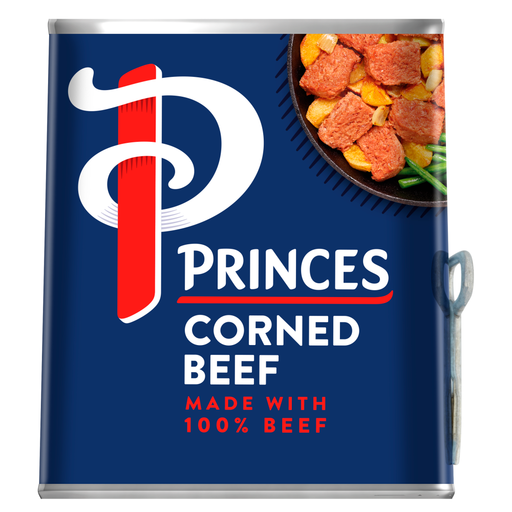
Why This Fits Their Persona: This is a go-to choice for those who grew up with corned beef hash and hearty sandwiches. It offers the classic, reliable flavour and texture expected for traditional British comfort food.
It avoids the mushy texture trap with a 98% cooked beef content, ensuring a firm product that can be sliced cleanly for sandwiches or mashed without turning into a paste.
Consistent quality from a long-standing brand. Its firm texture makes it exceptionally versatile for both hot and cold dishes.

Why This Fits Their Persona: For families requiring Halal-certified food, this product provides a reliable and flavourful option. It's ideal for a wide range of meals, from fried rice to pies, without any dietary concerns.
It sidesteps the vague content trap by being made with 120g of beef per 100g of finished product, indicating a dense, high-quality meat content. The clear Halal certification removes any guesswork.
Provides a fully certified halal corned beef option. It has a slightly lower salt content (1.5g) than some standard versions.
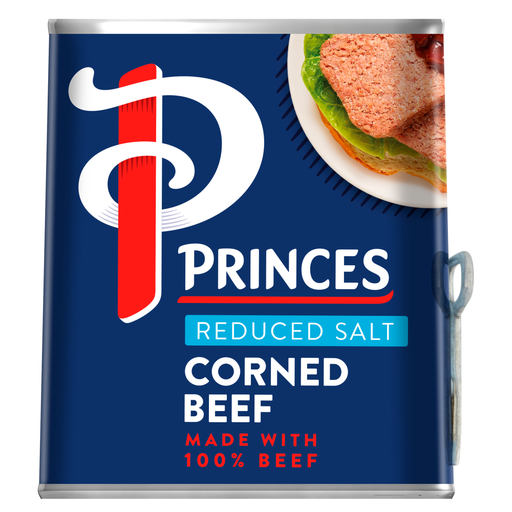
Why This Fits Their Persona: This is an excellent choice for anyone actively managing their salt intake but who doesn't want to give up the convenience and flavour of corned beef. It allows for healthier meal preparation.
It directly tackles the salt overload pitfall. With 1.4g of salt per 100g, it contains significantly less sodium than the standard 1.9g, giving you full control over your dish's seasoning.
Made with 99% beef, it doesn't compromise on quality or texture. It's a straightforward way to make a classic meal a bit healthier.
We have compiled a complete, real-time list of products that fully satisfy these strict selection criteria and UK safety regulations.
The key to getting perfect, clean slices for sandwiches is to chill the can thoroughly before opening. Place the unopened tin in the refrigerator for at least a few hours. Once chilled, the fat will be firm, allowing the block to hold its shape so you can slice it neatly with a sharp knife.
The main difference lies in the preparation. Corned beef is beef brisket that has been cured in a salt brine (the "corns" refer to the large-grain rock salt used in the process). This curing process gives it its distinctive flavour and texture. Other types of tinned beef, like stewed steak, are simply cooked and canned, often in gravy, without the curing stage.
Absolutely. Making a simple gravy is a great way to elevate your corned beef hash. Using beef stock cubes or beef gravy granules is a quick and effective method. For a well-balanced dish, especially if you are not using a reduced-salt corned beef, consider using a reduced-salt stock or gravy mix, such as Bisto Reduced Salt Beef Gravy Granules, to avoid the final dish becoming too salty.