
24/7 Customer Support

Free returns

Same-day & Next-day Delivery

Quality Guaranteed

Unlock Your Welcome Offers: FREE Delivery | Up to 80% OFF | Free 30-day JoyPlus trial
Download the APP
The supermarket spread aisle can be a confusing place. With countless jars vying for your attention, it’s difficult to know which crunchy nut and seed butters are genuinely wholesome and which are simply hiding behind clever marketing. Many are loaded with unnecessary sugars, palm oil and artificial additives, making the search for a truly healthy spread a challenge.
This guide is designed to help you navigate the options. We'll break down what to look for on the label and highlight a few standout products that deliver on both flavour and nutritional value. Whether you're a fitness enthusiast seeking a protein boost, a parent packing a school-safe lunch or simply a foodie in search of a delicious, satisfying spread, we’re here to provide some clear, practical advice.
Before we get to our recommendations, here are a few key points to consider when you're making your selection. A little label-reading can make all the difference.
The foundation of a quality nut or seed butter is simple: roasted nuts or seeds and perhaps a pinch of salt. Be wary of long ingredient lists. A key ingredient to watch for is palm oil, which is often used as an emulsifier to prevent oil separation. Many consumers choose to seek out a palm oil free nut butter due to environmental and health considerations. Similarly, check for added refined sugars or hydrogenated oils, which can detract from the product's nutritional benefits.
Different nuts and seeds offer different benefits. If you're looking for high protein spreads, almond and peanut butters are excellent choices, often containing over 25g of protein per 100g. For a good source of healthy fats, particularly monounsaturated fats, look for butters made from hi-oleic peanuts. Seed butters, like sunflower seed butter, are often rich in Vitamin E and magnesium. Reading the nutritional panel helps you align your choice with your personal health goals.
For many households, allergies are a primary concern. If you need a nut butter alternative for school lunches or due to an allergy, seed butters are a fantastic option. Many are produced in dedicated nut-free facilities to avoid cross-contamination. Most natural nut and seed butters are also inherently gluten-free and suitable for vegan spreads, but it's always wise to check the label for certifications if this is a priority for you.
Here are a few crunchy spreads that stand out for their quality ingredients and excellent nutritional profiles.
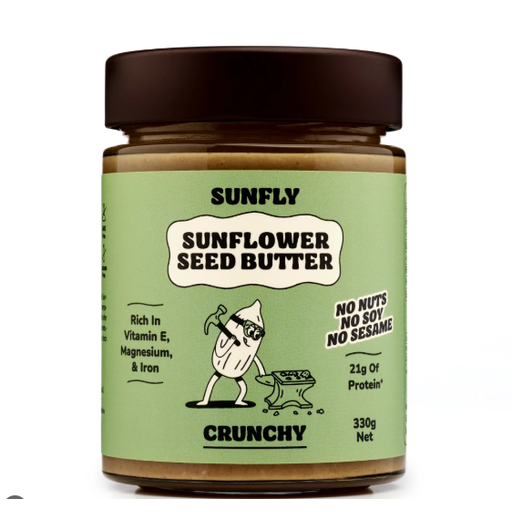
Why It Stands Out: This sunflower seed butter is a superb plant-based alternative to traditional nut butters. It’s crafted from gently roasted sunflower seeds, blending a smooth base with crunchy kernel pieces for a satisfying texture. Notably, it is produced in a dedicated facility that works exclusively with sunflower seeds, which is a critical detail for those concerned with allergen cross-contamination. It’s naturally rich in plant protein (21.1g per 100g), Vitamin E and magnesium, without any palm oil or preservatives.
Pros:
Who is it for?: Ideal for families looking for a school-safe spread, individuals with nut allergies or anyone seeking a nutritious and flavourful nut butter alternative.
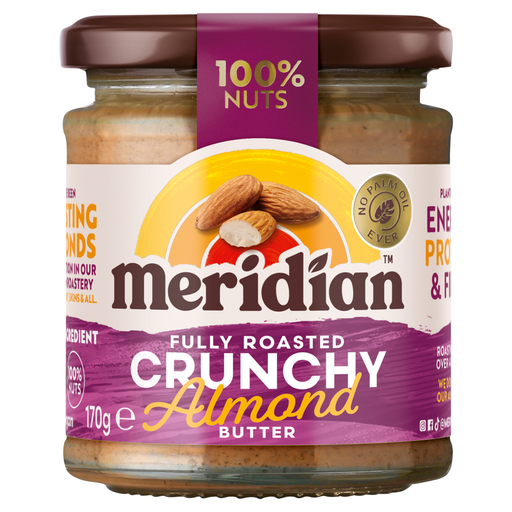
Why It Stands Out: Meridian is known for its commitment to purity, and this almond butter is a prime example. The ingredient list is as short as it gets: 100% roasted almond kernels with their skins left on. There is no added sugar, salt or palm oil. The almonds are simply roasted and ground, resulting in a robust flavour and a fantastic protein content of 25.4g per 100g. The natural oil separation is a clear indicator of its pure composition—just give it a good stir.
Pros:
Who is it for?: A perfect match for fitness enthusiasts, those on low-sugar diets and food purists who want one of the cleanest, high protein spreads available.
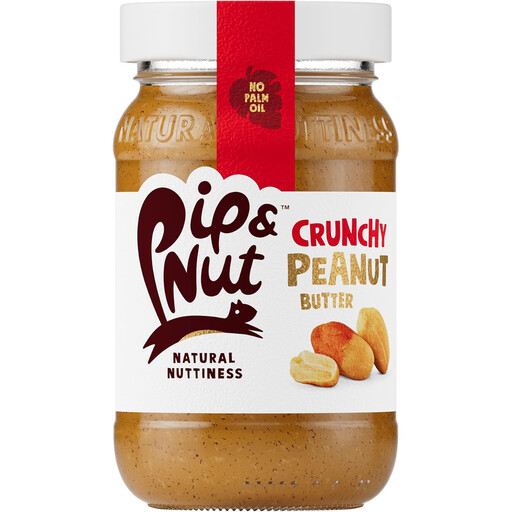
Why It Stands Out: Pip & Nut elevates classic peanut butter by using Argentinian hi-oleic peanuts. These peanuts are known for being naturally sweeter and containing a higher proportion of monounsaturated fats, similar to those found in olive oil. The recipe is refreshingly simple, containing 99.4% peanuts and a touch of sea salt for flavour enhancement. It is proudly palm oil-free and delivers a substantial 27g of protein per 100g, making it one of the most popular healthy spreads UK consumers reach for.
Pros:
Who is it for?: An excellent choice for peanut butter lovers who appreciate high-quality ingredients and a superior nutritional profile without compromising on that classic crunchy taste.
While these three are excellent starting points, the world of nut and seed butters is vast and varied. If you're curious about other textures, flavours or nut types, there are many more to discover.
Explore our complete range of crunchy spreads to find your new pantry staple.
Q1: Is crunchy nut butter healthier than smooth? The nutritional difference between crunchy and smooth varieties is generally minimal. Crunchy butters may contain slightly more fibre due to the solid nut or seed pieces, but the core health benefits are derived from the main ingredient itself. The choice largely comes down to personal texture preference.
Q2: Why is there a layer of oil on top of my natural nut butter? This is known as oil separation and is a perfectly normal sign of a natural product. Butters that do not contain emulsifiers (like palm oil) will naturally separate over time, with the lighter oil from the nuts or seeds rising to the top. Simply stir it back in thoroughly to restore the creamy, consistent texture.
Q3: What is a good nut-free alternative to peanut butter? Sunflower seed butter is one of the most popular and widely available nut-free alternatives. It offers a rich, roasted flavour and a satisfying texture that is very similar to peanut butter. It is an excellent choice for those with nut allergies and is often permitted in schools with nut-free policies.