
24/7 Customer Support

Free returns

Same-day & Next-day Delivery

Quality Guaranteed

Unlock Your Welcome Offers: FREE Delivery | Up to 80% OFF | Free 30-day JoyPlus trial
Download the APP
Navigating the peanut butter aisle can feel surprisingly complex. Jars proclaim themselves as "natural," "high protein," or "wholesome," but a closer look at the label often tells a different story. As a Joybuy Product Recommendation Officer, my role is to help you see past the marketing jargon and make a choice that genuinely suits your household's needs and preferences. Many shoppers find themselves disappointed by a spread that’s overly sweet, oily or simply not what they expected. Let's break down the common pitfalls to ensure your next jar is a satisfying one.
The two most frequent traps are:
To find a quality crunchy peanut butter, focus on the facts printed on the label, not the claims on the front. Here are the three most important parameters to analyse.
The most straightforward indicator of quality is the length of the ingredient list. For a pure peanut butter experience, less is more.
You will notice that many peanut butters list palm oil as an ingredient. It's used as an emulsifier to prevent the natural peanut oil from separating, creating a consistently smooth, no-stir texture. However, there are two main reasons why shoppers are increasingly seeking no palm oil peanut butter:
Peanut butter is well-known as a plant-based source of protein, making it a favourite among fitness enthusiasts and those needing to fuel an active lifestyle. A typical high protein peanut butter will contain around 25-30g of protein per 100g. This makes it an excellent addition to post-workout smoothies, porridge or simply on a slice of wholemeal toast.
Beyond the classic jar, the market now offers a variety of peanut butter snacks and even peanut butter alternatives for those with allergies, ensuring everyone can enjoy this popular flavour profile.
Based on these practical criteria, we've matched a few standout products to different needs. These selections represent clear, honest choices that deliver on their promises.
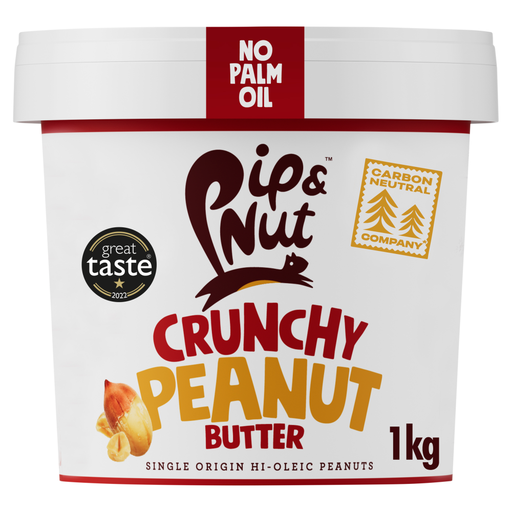
Why This Fits Their Persona: Ideal for the household that values clean eating and gets through a lot of peanut butter. This bulk peanut butter tub is made from 99.4% hi-oleic peanuts and a touch of sea salt, with no added sugar or palm oil. It's a straightforward, high-quality staple.
It sidesteps the "healthy halo" trap with an exceptionally clean ingredient list. The natural oil separation is a clear sign that no artificial emulsifiers like palm oil are used.
Contains hi-oleic peanuts, which are higher in monounsaturated fats. The 1kg tub offers great value for regular users.
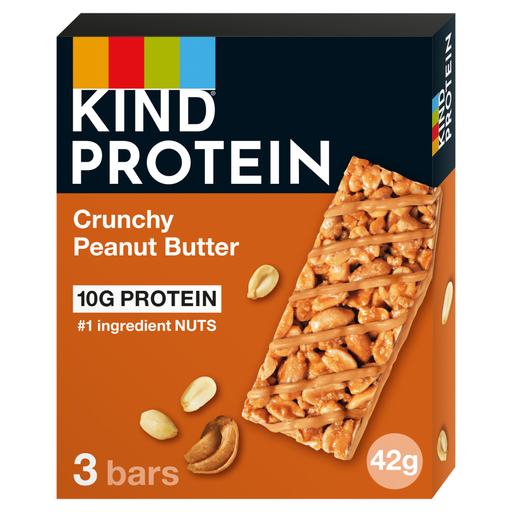
Why This Fits Their Persona: This isn't a spread, but a convenient bar for those who need a protein hit on the move. It's one of the most practical peanut butter snacks for stashing in a gym bag or desk drawer for a post-workout or mid-afternoon boost.
It is transparently a protein-fortified snack, not a simple peanut butter. The ingredients are chosen to deliver a specific nutritional outcome (8.4g of protein per bar) for active individuals.
Ultimate convenience and portion control. The combination of peanuts and soy protein isolate provides a substantial protein boost.
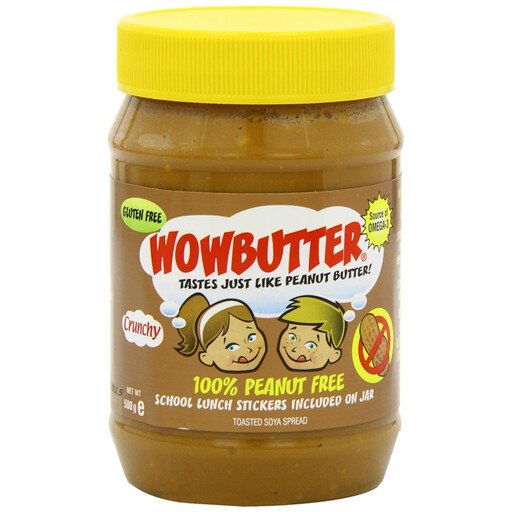
Why This Fits Their Persona: For families, schools or individuals managing nut allergies, finding a safe alternative is paramount. This toasted soya spread is a leading peanut butter alternative, specifically made in a 100% peanut and tree nut-free facility.
It directly solves the most critical issue for this user: allergen safety. It doesn't pretend to be peanut butter but instead offers a carefully formulated, safe alternative with a similar taste and texture.
Made from toasted soya, it's a source of complete protein and Omega-3s. It provides peace of mind for those with severe nut allergies.
We have compiled a complete, real-time list of products that fully satisfy these strict selection criteria and UK safety regulations.
This is completely normal for any no palm oil peanut butter. The oil is from the peanuts themselves and separates over time because there are no artificial emulsifiers to bind it. It is not a sign of spoilage. Simply stir the oil back into the peanut butter with a knife or spoon until it's smooth and creamy again. Storing the jar upside down for a while can also help make stirring easier.
The protein content can vary, but a good quality crunchy peanut butter typically provides between 24g to 28g of protein per 100g. This makes it an excellent source of plant-based protein. Always check the nutritional information on the label for the exact amount, as it can differ slightly between brands depending on the type of peanuts used and other ingredients.
Hi-oleic peanuts are a specific variety of peanut that contains a higher level of monounsaturated fat, similar to the levels found in olive oil. This fat profile is more stable, which can give the peanut butter a longer shelf life and, according to some, a creamier texture and fresher taste. Brands like Pip & Nut and ManiLife often use them for these properties.