
24/7 Customer Support

Free returns

Same-day & Next-day Delivery

Quality Guaranteed

Unlock Your Welcome Offers: FREE Delivery | Up to 80% OFF | Free 30-day JoyPlus trial
Download the APP
From a satisfying spread on your morning toast to a post-workout energy boost, crunchy peanut snacks are a staple in many UK households. Yet, the journey from shelf to shopping basket is often filled with confusing labels and marketing claims. Many products that appear healthy can hide unwanted ingredients, while others promise bold flavours that fail to deliver.
As a Joybuy Product Recommendation Officer, my role is to help you navigate this crowded market. This guide will highlight common purchasing pitfalls and break down the key factors to consider, ensuring you choose a product that genuinely meets your needs for taste, texture and nutrition.
Before you buy, be aware of these frequent issues that can lead to a disappointing purchase:
To avoid these traps, focus on what is actually in the product. A quick check of these three areas will tell you almost everything you need to know.
The ingredients list is your most reliable source of information. For crunchy peanut butter, look for a high percentage of peanuts—ideally above 95%. A truly natural peanut butter will often contain just peanuts and a little salt. If you see a long list of emulsifiers, sugars and oils, it is worth a second thought. Many shoppers now actively seek out no palm oil peanut butter; these products often use the peanut's own natural oils or are made with hi-oleic peanuts, which are higher in monounsaturated fats. For those with dietary requirements, checking for a vegan peanut butter certification is also straightforward here.
For a genuinely beneficial high protein snack, compare the protein content to the sugar content per 100g. A product that offers substantial protein (e.g., over 20g) with relatively low sugar (e.g., under 10g) is generally a more balanced choice for fitness enthusiasts and health-conscious individuals. This simple check helps you see past the "high protein" claim on the front of the pack.
When it comes to flavoured peanuts, check how that flavour is delivered. Does the list include real coconut cream for coconut peanuts, or actual chilli and garlic for sriracha peanuts? Authentic ingredients almost always provide a more satisfying and complex taste. Similarly, understand how the crunch is made. Is it from simply roasting the peanuts, or from a baked or fried coating made of wheat or rice flour? This will impact the overall nutritional profile and texture.
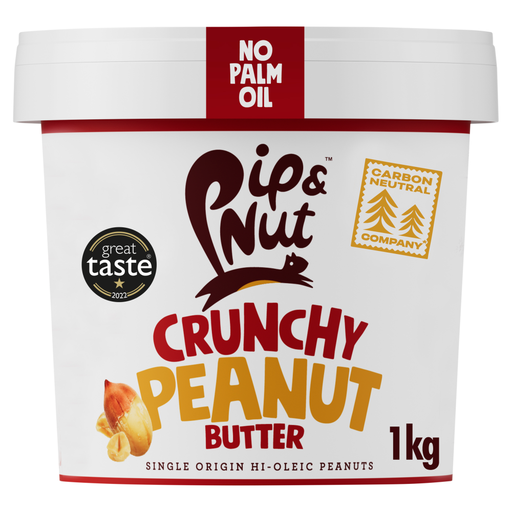
Why This Fits Their Persona: Ideal for those who want a clean, simple peanut butter for daily use. The bulk peanut butter 1kg tub is great value for families or regular consumers who get through a lot of it.
It completely avoids the "healthy halo" trap with a transparent ingredient list: 99.4% Argentinian hi-oleic peanuts and a sprinkle of sea salt. There is no palm oil and no added sugar.
Made with hi-oleic peanuts, which are higher in monounsaturated fats. It is also a natural source of protein and fibre.
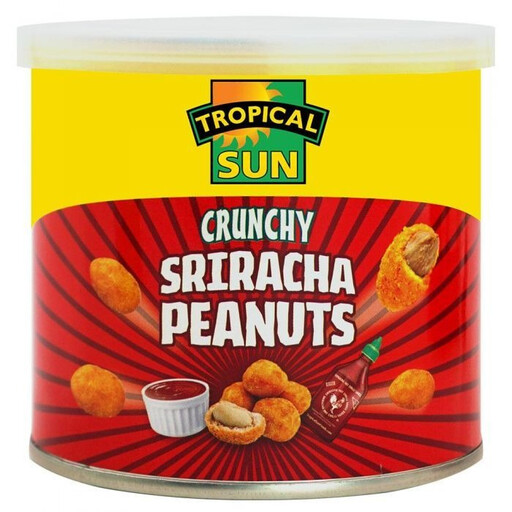
Why This Fits Their Persona: Perfect for someone who loves bold, spicy flavours and is looking for a more exciting snack. These sriracha peanuts are great for parties or enjoying with a cold drink.
This product avoids the "flavour vs. reality" trap by using actual chilli sauce in its coating, delivering an authentic blend of chilli and garlic rather than a synthetic powder flavour.
The crispy coating, made from wheat and glutinous rice flour, provides a satisfying crunch that complements the spicy and savoury flavour profile.
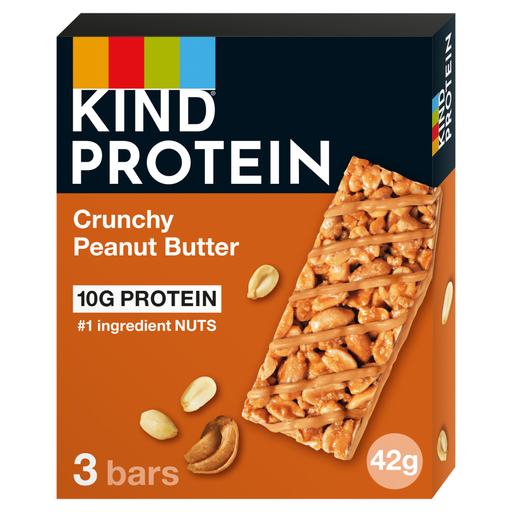
Why This Fits Their Persona: These peanut protein bars are designed for convenience. They are easy to carry in a gym bag or backpack for a quick post-workout refuel or a midday energy lift.
It provides clear nutritional information, allowing you to assess the protein-to-sugar ratio. With 8.4g of protein per 42g bar, it offers a substantial protein boost for its size.
The main ingredient is peanuts, combined with soy protein isolate for an enhanced protein content. The portion-controlled format helps manage intake.
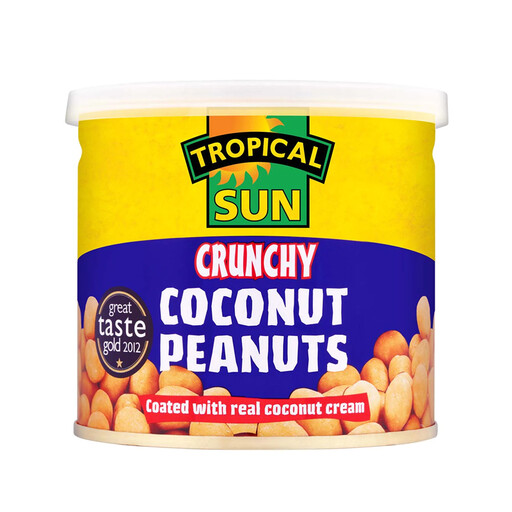
Why This Fits Their Persona: For those seeking a snack that feels like a treat, these coconut peanuts offer a unique tropical twist. The balance of sweet coconut and savoury peanut is highly satisfying.
It avoids the "crunch deception" by using a baked coating of wheat flour and real coconut cream (3%), creating a crisp shell without deep-frying. The Great Taste Award also signals a high-quality product.
The use of real coconut cream provides an authentic, fragrant sweetness that sets it apart from artificially flavoured snacks. It also offers a respectable 17g of protein per 100g.
We have compiled a complete, real-time list of products that fully satisfy these strict selection criteria and UK safety regulations.
1. Is crunchy peanut butter with no palm oil a better choice? Many consumers prefer peanut butter without palm oil due to environmental concerns associated with its production and a preference for fewer processed ingredients. Products without palm oil, such as those made with 100% peanuts, will experience natural oil separation. This is normal; simply stir the oil back in before use.
2. What should I look for in a high-protein peanut snack? Beyond the "high protein" label, check the nutrition panel. A good indicator is a protein content that is significantly higher than the sugar content per 100g. Also, check that the protein comes from whole food sources like peanuts and nuts, rather than being propped up by fillers.
3. How do I keep flavoured peanuts like wasabi peanuts crunchy after opening? To maintain maximum crunch, store them in an airtight container in a cool, dry place, away from direct sunlight. Moisture is the main enemy of crunchiness, so ensuring the container is sealed tightly after each use is key.