
24/7 Customer Support

Free returns

Same-day & Next-day Delivery

Quality Guaranteed

Unlock Your Welcome Offers: FREE Delivery | Up to 80% OFF | Free 30-day JoyPlus trial
Download the APP
As a Joybuy Product Recommendation Officer, my role is to help you navigate the crowded market of quick meals. Cup noodles promise a fast, flavourful and satisfying meal, but the reality can often be a letdown. Many of us have been lured by vibrant packaging promising an authentic taste of Asia, only to be met with a disappointing experience.
Before you add another pot noodle to your basket, let’s look at the common pitfalls that lead to buyer’s remorse and how to sidestep them.
To avoid these traps, you need to look beyond the marketing and focus on a few key product characteristics. These are the non-negotiable factors that separate a genuinely good instant noodle from a mediocre one.
The secret to a great broth lies in the seasoning sachets. A simple powder sachet often results in a salt-forward, one-dimensional taste. For a richer, more complex flavour, look for cups that include multiple components:
The noodle is the star of the show, and its texture can make or break the meal. The main distinction is between fried and non-fried noodles.
The small packet of dehydrated vegetables is often an afterthought. However, better quality cup noodles offer more. Check the ingredient list for more substantial additions like:
These additions provide varied textures and flavours, making the cup feel more like a complete meal. For those seeking value, considering multipack noodles can be a cost-effective way to stock up on your favourites.
Based on these criteria, here are a few recommendations tailored to different tastes and preferences.

Why This Fits Their Persona: For those who actively seek out fiery foods and are familiar with the bold flavours of Korean street food. This isn't just spicy; it's a flavour challenge known globally, perfect for anyone who finds typical spicy noodles too tame.
It directly counters the "bland flavour" pitfall. The separate liquid sauce sachet delivers a powerful, complex heat with a savoury, slightly sweet finish, far from a one-note salty broth.
Features a thick, chewy noodle that holds up well to the potent sauce without becoming mushy. The iconic, intense spicy chicken flavour is consistent and satisfying for heat lovers.
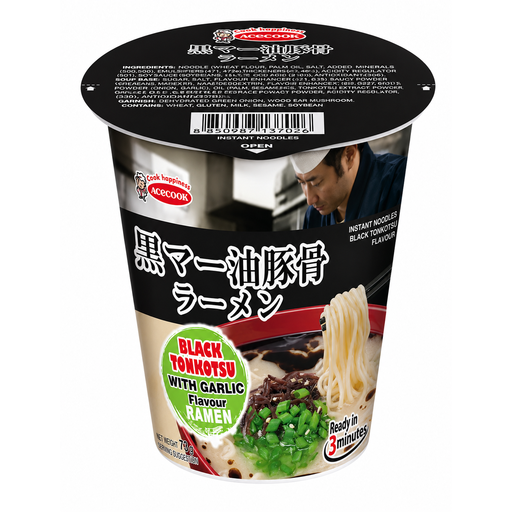
Why This Fits Their Persona: Ideal for someone who appreciates the deep, savoury notes of a traditional Japanese ramen bar. They are looking for a rich, pork-style broth with layers of flavour, not just salt and spice.
This cup includes a separate oil sachet, which creates the "black" garlic flavour. This combination of powder and oil provides a much deeper, more aromatic and less one-dimensional broth than basic alternatives.
Delivers a rich, creamy tonkotsu-style broth with a distinct roasted garlic aroma. The inclusions of woodear mushrooms and sesame add authentic texture.
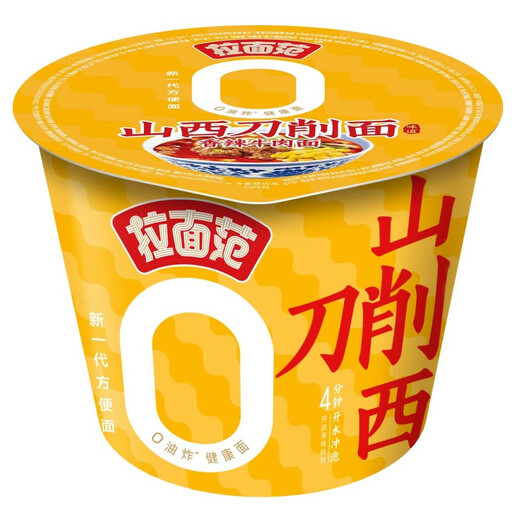
Why This Fits Their Persona: For the person who is bored of standard ramen and wants to try something new. The appeal here is the unique texture of the noodles and the authentic mala (numbing-spicy) flavour of Sichuan cuisine.
It directly solves the "soggy noodle" problem. The wide, thick, non-fried knife-cut noodles provide a substantial, chewy and springy bite that is completely different from standard thin noodles.
Offers a unique noodle texture you won't find in most cups. The broth has a complex mala flavour from Sichuan pepper and broad bean paste, and it includes a separate vinegar sachet to balance the richness.
We have compiled a complete, real-time list of products that fully satisfy these strict selection criteria and UK safety regulations.
A simple way to enhance any instant ramen cup is to add fresh ingredients. Consider dropping in a soft-boiled egg, some chopped spring onions, a slice of processed cheese for creaminess or some leftover cooked meat. A dash of sesame oil or chilli crisp just before serving can also dramatically improve the flavour and aroma.
Non-fried noodles are prepared by air-drying instead of flash-frying, which typically results in a lower fat content for the noodle block itself. While this is a factor, the overall nutritional profile of the meal also depends heavily on the seasoning and sauce packets, which can be high in sodium. The primary difference most users will notice is in the texture—non-fried noodles often have a firmer, chewier bite, similar to restaurant-style noodles.
While there is huge variety within each country, some general trends exist.