
24/7 Customer Support

Free returns

Same-day & Next-day Delivery

Quality Guaranteed

Unlock Your Welcome Offers: FREE Delivery | Up to 80% OFF | Free 30-day JoyPlus trial
Download the APP
For many of us, from students needing quick student meals to busy professionals seeking a fast office lunch, cup noodles are a pantry staple. They promise a hot, flavourful meal in minutes. Yet, the reality can often be disappointing. Navigating the ever-expanding aisle of instant noodles can feel like a gamble and it's easy to end up with a purchase that doesn't live up to its packaging.
As a Joybuy Product Recommendation Officer, my role is to help you see past the marketing and make choices that deliver on taste and convenience. Here are a few common pitfalls to watch out for:
tonkotsu ramen or a tangy kimchi stew can fall flat.instant ramen and the soft, sometimes mushy consistency of more basic pot noodles. The packaging rarely explains the noodle type (fried, non-fried and air-dried), leaving the final texture to chance.By understanding a few key factors, you can avoid these issues and find the cup noodles that perfectly match your preference.
Before adding to your basket, consider these core elements. They are the true indicators of the experience you'll get, far more than the flashy pictures on the cup.
The heart of any cup noodle is, of course, the noodle. The production method is the single biggest factor influencing its final texture and mouthfeel.
Asian noodles UK selections. By avoiding the frying process, these noodles often have a texture closer to freshly cooked pasta or ramen—firmer, chewier and with a cleaner taste that allows the broth to shine. Options like Lamianfan Shanxi Knife-Cut Noodles offer a uniquely broad and chewy bite that mimics traditional hand-pulled styles.The flavour profile is determined by the seasoning sachets. Understanding the style can help you find exactly what you're craving.
Japanese ramen cup might specify a tonkotsu (rich pork bone), shoyu (soy sauce) or miso base. A Korean ramen like the Nongshim shin cup is known for its deep, spicy beef-based broth.Samyang buldak range is a prime example, known for its powerful, spicy chicken sauce that coats every noodle.To find a truly satisfying flavour, look at the ingredients in the seasoning packs. The presence of fermented ingredients like kimchi powder, soybean paste (miso) or gochujang (Korean chilli paste) indicates a more complex and authentic flavour profile. For spicy noodles, check for specific peppers or spice blends. A Sichuan pepper will provide a numbing heat (mala), which is very different from the direct, sharp heat of a habanero-based sauce.
To help you find your perfect match, we've selected a few options tailored to different tastes and preferences.

Why This Fits Their Persona: For those who actively seek out a fiery food challenge, this is the benchmark. It's not just "spicy"; it's the iconic Korean buldak (fire chicken) flavour that balances intense heat with a savoury and slightly sweet finish. It's a go-to for a bold and satisfying meal.
This product avoids the vague "spicy" label by delivering a specific, well-known flavour profile. The dry-style sauce ensures the heat is concentrated and doesn't get diluted in a watery broth.
Features a thick, coating sauce for intense flavour in every bite. The noodles are satisfyingly chewy, holding up well to the powerful sauce. It is also halal-certified.
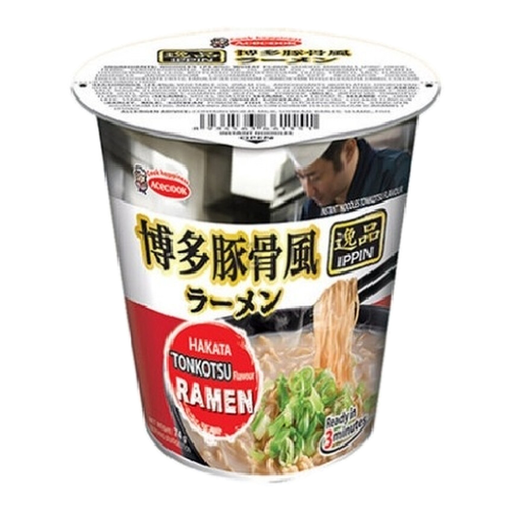
Why This Fits Their Persona: For those craving a genuine Japanese ramen experience without the fuss. This cup captures the essence of Hakata-style tonkotsu, known for its rich, creamy and deeply savoury pork-flavoured broth. It's a quick lunch idea that feels more like a restaurant treat.
It avoids the "authentic flavour" illusion by using a creamer powder and specific tonkotsu flavourings to replicate the milky, umami-rich broth of its namesake, rather than just using a generic salty base.
Delivers a complex and creamy broth profile. The inclusion of roasted sesame and dried leek adds layers of texture and aroma, enhancing the overall experience.

Why This Fits Their Persona: Perfect for those seeking a mild, savoury and wholesome meal. It's a vegetarian-friendly option that doesn't compromise on flavour, offering a clean, vegetable-based broth that is comforting and satisfying without any intense spice. Ideal for a simple, reliable lunch.
This cup avoids the blandness trap common in non-spicy noodles by building a rich umami flavour from a blend of vegetables like cabbage, carrot and onion, balanced with garlic and sesame.
It is suitable for vegetarians and has a clean, savoury flavour profile with a mild spice level. The non-fried noodles provide a pleasant, springy texture.
We have compiled a complete, real-time list of products that fully satisfy these strict selection criteria and UK safety regulations.
Elevating your cup noodles is simple. Consider adding a soft-boiled egg, some sliced spring onions or a handful of fresh greens like spinach or pak choi in the last minute of steeping. A drizzle of sesame oil, a slice of processed cheese or some leftover cooked meat can also transform a simple snack into a more substantial meal.
While both are convenient quick lunch ideas, the main differences lie in the noodle texture and flavour complexity. Traditional UK-style pot noodles often use softer, wheat-flour noodles that cook very quickly in a creamy or gravy-like sauce. Asian instant ramen, particularly from Korea and Japan, typically features firmer, chewier noodles (often air-dried or non-fried) and focuses on creating a more complex broth, inspired by traditional dishes like tonkotsu ramen or spicy stews.
Instant noodles are primarily a convenience food. They can be high in sodium and saturated fats. To make them part of a more balanced meal, consider them a base. Add fresh vegetables, a source of protein like an egg or tofu and be mindful of using the entire seasoning packet if you are monitoring your salt intake. Enjoying them in moderation is key.