Bringing the vibrant, aromatic flavours of world cuisine into your kitchen should be a joy, not a gamble. Yet, the supermarket aisle for curry pastes and sauces can be a confusing place. Many adventurous home cooks in the UK, eager to recreate a delicious Thai green curry or a rich Malaysian dish, end up with a meal that doesn't quite hit the mark. As a Joybuy Product Recommendation Officer, my role is to help you navigate the options and find the right product for a truly satisfying home-cooked meal.
Before you make your next purchase, let's look at a few common pitfalls that can lead to a disappointing dinner.
- The "Authentic Flavour" Let-Down: Many products are labelled with exotic names and imagery, promising an authentic taste. However, some are formulated with a muted flavour profile, lacking the fragrant punch of lemongrass, the warmth of galangal or the specific chilli heat you were expecting.
- The Paste vs. Sauce Mix-Up: This is a frequent source of frustration. You might buy a highly concentrated curry paste expecting a ready to use cooking sauce, resulting in an overwhelmingly salty or spicy dish. Conversely, using a ready-made sauce as if it were a paste can lead to a watery, bland curry.
- The Hidden Ingredient Trap: Traditional recipes for many Southeast Asian curries, particularly Thai varieties, use shrimp paste as a fundamental ingredient for depth and umami. This is a problem for those following a vegan diet or with shellfish allergies, as it's not always prominently advertised on the front of the pack.
Decoding the Label: Key Factors for Your Selection
To avoid these issues, a quick check of the packaging can tell you everything you need to know. Here are the core parameters to focus on.
1. Format: Paste, Sauce or Seasoning?
Understanding the format is the first step to getting your dish right.
- Curry Paste: This is a concentrated, thick blend of ground fresh herbs, spices and aromatics. It is the traditional authentic curry base and requires cooking. You typically fry the paste in a little oil to release its aromas before adding a liquid like coconut milk or stock, along with your protein and vegetables. This format offers the most control over the final flavour and consistency.
- Ready to Use Cooking Sauce: This product has done the mixing for you. It's a complete sauce, usually combining a curry paste with coconut milk, stock and sometimes tamarind or sugar. You simply heat it and add your other ingredients. It's the most convenient option for a quick meal.
- Curry Seasoning: This is a dry powder mix of ground spices. It's common for dishes like Caribbean curried goat or certain Indian recipes. Like a paste, it needs to be cooked with liquids and other ingredients to form the final sauce.
2. Ingredient List and Regional Profile
The ingredient list is your best guide to a product's flavour profile and authenticity.
- Thai Curries: For a classic Thai green curry paste, look for green chillies high on the list, along with lemongrass, galangal and kaffir lime. For a red curry paste, you'll see dried red chillies instead. A massaman curry paste or panang curry paste will be milder and often includes spices like cardamom, cinnamon and cumin, giving it a warmer, nuttier profile. Always check for shrimp paste if you require a vegan curry paste.
- Malaysian & Indian Curries: A Malaysian curry paste often features ingredients like candlenut, turmeric and curry leaves for a rich, earthy flavour. An Indian curry sauce, such as a Madras, will be built on a base of tomatoes, onions and a blend of ground spices like turmeric, cumin and coriander.
Our Top Product Recommendations
To make things simpler, we've matched some excellent options to different cooking styles and needs.
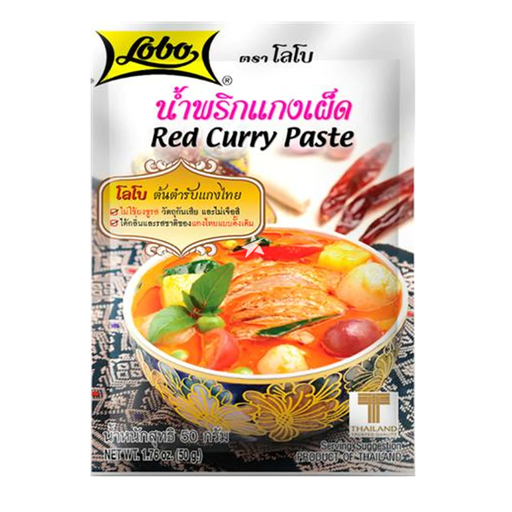
MATCH FOR: The Thai Curry Apprentice
Why This Fits Their Persona: Perfect for those new to cooking Thai curry from scratch. The 50g sachet is a small, low-commitment size for making a meal for two, allowing you to experiment without waste. It provides a classic, robust red curry flavour that serves as a great introduction.
How It Avoids the Trap
This is a concentrated curry paste, not a sauce. It encourages you to learn the proper technique of frying the paste with coconut milk, avoiding the pitfall of a weak, watery curry and giving you an authentic result.
Key Advantage & Pros
Delivers a rich, aromatic flavour profile with balanced heat. The ingredient list features classic Thai components like lemongrass, galangal and kaffir lime peel.
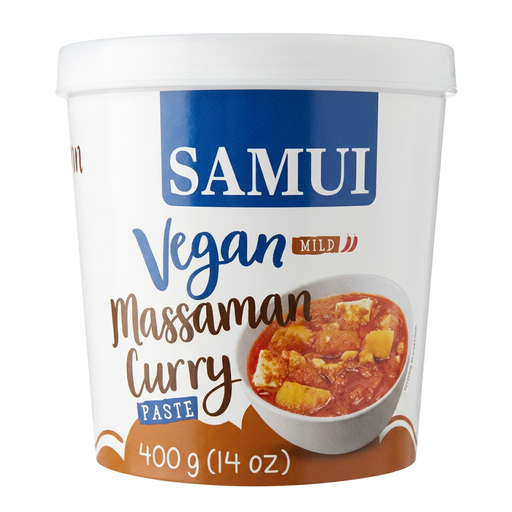
MATCH FOR: The Plant-Based Purist
Why This Fits Their Persona: For the home cook who wants deep, authentic flavour without any animal products. This paste is specifically designed for vegan cooking, making it perfect for curries with tofu, chickpeas or hearty vegetables like potatoes and squash.
How It Avoids the Trap
This vegan curry paste directly solves the "hidden ingredient" problem. It is formulated without shrimp paste, so you can be confident your meal is entirely plant-based without sacrificing the complex, aromatic flavour of a traditional Massaman.
Key Advantage & Pros
Offers a harmonious blend of roasted spices, galangal and lemongrass for a mild, nutty and fragrant warmth. Contains soy but is free from other common allergens.
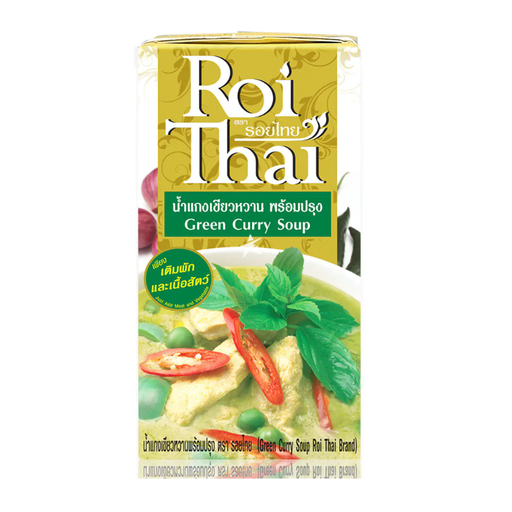
MATCH FOR: The Time-Pressed Professional
Why This Fits Their Persona: For busy individuals who crave a delicious, home-cooked meal but have limited time. This sauce provides the full, authentic flavour of a Thai green curry without the need for extra steps or ingredients like coconut milk.
How It Avoids the Trap
This is a ready to use cooking sauce, completely eliminating the paste vs. sauce confusion. You just heat it and add your protein and vegetables for a perfect meal in minutes, ensuring a consistent and flavourful result every time.
Key Advantage & Pros
Maximum convenience. The sauce is pre-balanced with coconut milk for a rich, creamy texture and a vibrant, herbaceous flavour from green chillies and Thai herbs.
Looking for More Options?
We have compiled a complete, real-time list of products that fully satisfy these strict selection criteria and UK safety regulations.
Frequently Asked Questions About Curry Paste
How should I store curry paste after opening?
Once a jar or tub of curry paste is opened, it should be sealed tightly and stored in the refrigerator. Most manufacturers recommend using the paste within a few weeks to a month for the best flavour and quality. The high salt content acts as a preservative, but refrigeration is key to maintaining its aromatic properties. Always check the packaging for specific storage instructions.
What is the main difference between red, green and yellow Thai curry pastes?
The primary difference lies in the type of chillies used, which affects both colour and heat level.
- Green Curry Paste: Made from fresh green chillies, it is typically the most fiery and has a bright, herbaceous flavour from ingredients like fresh coriander, kaffir lime and basil.
- Red Curry Paste: Made from dried red chillies, it has a deep, rich and robust spiciness that is often more of a slow burn than the sharp heat of green curry.
- Yellow Curry Paste: This is the mildest of the three. It gets its colour and gentle, earthy flavour from turmeric and often includes dried spices like cumin and coriander.
Can I use curry paste for dishes other than curry?
Absolutely. Curry paste is a versatile flavour base. You can mix a small amount with oil and a little lime juice to create a fragrant marinade for chicken, fish or tofu before grilling or roasting. It can also be added to stir-fries for a quick flavour boost, or used to add depth to soups and noodle dishes.