
24/7 Customer Support

Free returns

Same-day & Next-day Delivery

Quality Guaranteed

Unlock Your Welcome Offers: FREE Delivery | Up to 80% OFF | Free 30-day JoyPlus trial
Download the APP
A good jar of curry sauce can be the secret to a fantastic 'fakeaway' night, transforming a simple Tuesday dinner into something special. Yet, the supermarket aisle presents a dizzying array of options, from familiar names like Patak's and Sharwood's to newer brands. Many promise an "authentic" experience but deliver a meal that's disappointingly bland, overly sweet or nothing like the restaurant favourite you were hoping for.
As the Joybuy Product Recommendation Officer, my role is to help you see past the marketing claims. Before you make your next purchase, be aware of these common pitfalls that can lead to a lacklustre quick curry meal.
To avoid these issues, focus on a few key details on the label. These non-negotiable parameters are a far better indicator of quality than the picture on the front of the jar.
The foundation of any good Indian cooking sauce is its base. Look at the first few ingredients listed. For a rich and creamy sauce like a tikka masala sauce or korma sauce, you should see ingredients like tomato, yogurt, cream or coconut listed prominently. If water and sugar appear before these, the sauce may lack depth. For a more robust, savoury sauce like a jalfrezi sauce, look for a high percentage of tomatoes and onions.
A quality sauce will list its spices individually (e.g., cumin, coriander, turmeric, fenugreek) rather than hiding them under the generic term "spices" or "curry powder." This transparency suggests a more carefully constructed flavour profile. For hot sauces like a madras sauce, the presence of different chillies can indicate a focus on flavour as well as heat.
This is crucial for many households. If you require a gluten free curry sauce or a vegan curry sauce, always look for a clear certification on the packaging. Many classic recipes contain dairy (milk, yogurt, cream) or may have warnings for nuts and peanuts due to manufacturing processes. Taking a moment to read the allergen advice is essential.
Instead of a generic list, we've matched some popular options to the specific needs of UK households.
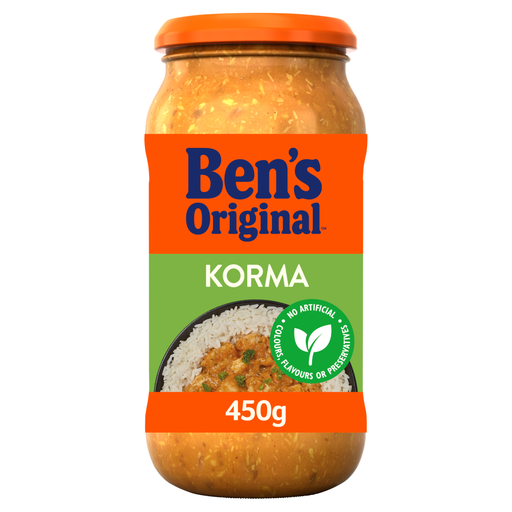
Why This Fits Their Persona: This user needs a quick, reliable and mild curry sauce that will please everyone, including children. This Korma is creamy, sweet and familiar, making it a safe and easy choice for a weeknight family dinner.
It avoids the "inconsistent heat" trap by being explicitly mild. The ingredients list features fresh cream and coconut, ensuring a rich base rather than just relying on starch and sugar.
Very convenient and suitable for vegetarians. Its mild, creamy profile makes it a versatile pantry staple for quick meals.

Why This Fits Their Persona: This person wants to replicate a restaurant-style favourite at home. They appreciate a balanced, flavourful curry that isn't overly spicy but has a recognisable, classic taste.
It sidesteps the "bland authentic" trap by using a proper base of tomato (22%) and yogurt (9%), giving it a tangy depth that many sweeter sauces lack. The spice blend is also clearly defined.
It's gluten-free and offers a reliable medium spice level. A great all-rounder for a quick and satisfying chicken or paneer tikka masala.
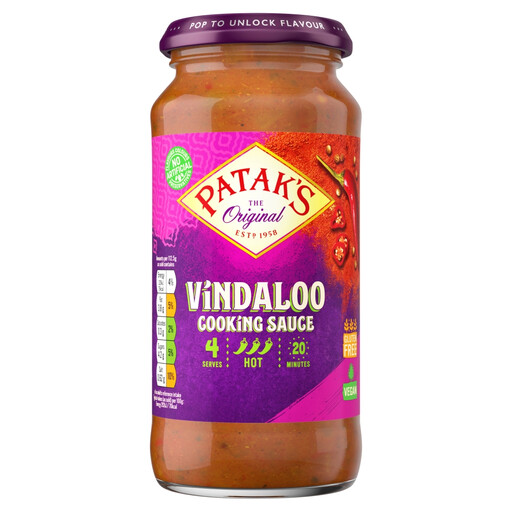
Why This Fits Their Persona: For the curry lover who is consistently let down by "hot" sauces that don't deliver. This user wants a genuine, fiery heat that doesn't compromise on flavour.
This sauce directly solves the "misleading heat" problem. It is clearly labelled as "Hot - 3" and contains 6% spices, including chilli, ensuring a robust and spicy flavour that lives up to its name.
It is suitable for vegans and is gluten-free, making it an accessible option for those who want a properly hot curry without common allergens.
We have compiled a complete, real-time list of products that fully satisfy these strict selection criteria and UK safety regulations.
To elevate any ready made curry sauce, start by frying some fresh ingredients. Gently fry a chopped onion in a little oil until soft, then add fresh minced garlic and ginger for a minute until fragrant. Brown your chosen meat or vegetables in the pan before adding the jar of sauce. This creates a much richer flavour base. To finish, a squeeze of lemon juice and a handful of fresh coriander can brighten the entire dish.
The nutritional value varies greatly between products. The most effective approach is to check the nutritional information per 100g. Pay close attention to the sugar and salt content. Sauces based primarily on tomatoes and vegetables, with lower levels of cream and sugar, are often a more balanced choice. Many brands, including Patak's and Sharwood's, now offer ranges with no artificial colours, flavours or preservatives.
A standard Indian cooking sauce, like a korma or butter chicken sauce, is a complete, ready-to-use product. You simply add it to your cooked protein or vegetables and simmer. A tarka sauce or paste is a concentrated flavour base, typically made from slow-fried onions, tomatoes and spices. You use it as a starter, often adding water, coconut milk, or cream to build the final curry. This offers more flexibility to adjust the consistency and richness to your liking.