
24/7 Customer Support

Free returns

Same-day & Next-day Delivery

Quality Guaranteed

Unlock Your Welcome Offers: FREE Delivery | Up to 80% OFF | Free 30-day JoyPlus trial
Download the APP
A dollop of warm, creamy custard can transform a simple dessert into a comforting classic. Whether generously poured over a steaming apple crumble or enjoyed chilled on its own, it’s a staple in many UK households. However, the journey from browsing online to finding the right product can be surprisingly tricky. With so many options available, from traditional powders to international varieties, it's easy to make a purchase you might regret.
Before you add that carton or tin to your basket, let's look at some common pitfalls. Many shoppers are caught out by misleading labels or simply don't know what to look for.
To ensure you get the quality and taste you're looking for, focus on these core parameters. They will help you navigate the options and make a choice that suits your needs perfectly.
Your first decision is often between convenience and control.
To avoid the 'lighter option' trap, always check the nutritional table, specifically the 'per 100g' column for a fair comparison.
The world of custard extends far beyond the classic British recipe.
To help you find the right fit, we've matched some popular options to different household needs.
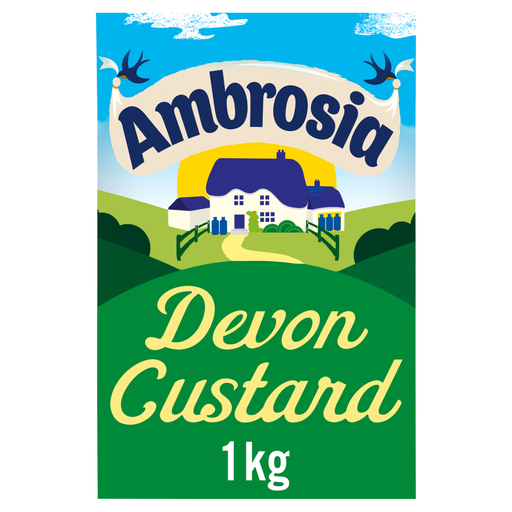
Why This Fits Their Persona: This large 1kg carton is perfect for family gatherings or ensuring there's enough to go around for puddings throughout the week. It's a ready-to-serve classic that saves time in a busy household.
It sidesteps the 'convenience vs. quality' gamble by being a trusted, well-known brand. Its flavour is consistent and reliable, avoiding the disappointment of lesser-quality ready-mades.
Made with West Country milk and a source of calcium. The large format offers good value and can be stored in the fridge for up to three days after opening.

Why This Fits Their Persona: For those who love custard but want to make a more mindful choice, this option offers the classic creamy taste with reduced fat and sugar, making it a suitable treat.
This product directly counters the 'lighter option' illusion. It clearly states it has 30% less sugar and 30% less fat than the standard version, providing transparent information for an informed choice.
It delivers a lighter dessert without artificial colours or preservatives. It remains a source of calcium and is made with 75% milk content, maintaining a good quality base.
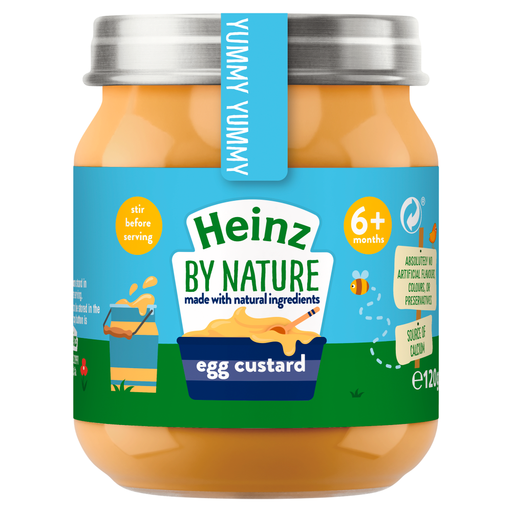
Why This Fits Their Persona: Specifically created for the weaning journey, this baby custard provides a safe, smooth and appropriately formulated dessert for infants aged 6 months and over.
This avoids the serious pitfall of giving adult custard to a baby. It is clearly labelled as a baby custard, with a recipe free from artificial additives and with sugar and salt levels suitable for an infant.
It's a source of calcium for bone development and has a gluten-free recipe. The 120g jar is perfectly portioned, making it a convenient and trusted cupboard staple.
We have compiled a complete, real-time list of products that fully satisfy these strict selection criteria and UK safety regulations.
Yes, absolutely. Most traditional custard powders, such as Bird's, are milk-free themselves, with the main ingredient being cornflour. This means you can easily prepare it with plant-based milks like oat, soya or almond milk. The final taste and thickness may vary slightly depending on the milk alternative you choose, so you might need to adjust the powder-to-liquid ratio to achieve your desired consistency.
Once opened, ready-to-serve custard should be treated like any fresh dairy product. It's important to transfer any leftovers from a tin into a sealed container or ensure cartons are properly closed. Keep it refrigerated and aim to consume it within three days. Always refer to the specific instructions on the product's packaging for the most accurate guidance.
The main distinction lies in the origin of the ingredients and the richness. Devon custard is traditionally made using milk sourced from the West Country and often contains fresh cream, which gives it a characteristically rich and creamy texture. While other 'regular' custards are also delicious, they may use milk from other regions or have a slightly lighter formulation without the addition of cream.