
24/7 Customer Support

Free returns

Same-day & Next-day Delivery

Quality Guaranteed

Unlock Your Welcome Offers: FREE Delivery | Up to 80% OFF | Free 30-day JoyPlus trial
Download the APP
For any paper craft enthusiast, the right tools can transform a simple piece of card into a work of art. If you're looking to add precision, elegance and intricate detail to your projects, cutting dies are an essential part of your toolkit. Yet, with so many shapes, sizes and designs available, choosing the right ones can feel overwhelming.
This guide is designed to help you navigate the options. We will walk through what to consider when selecting new die cutting templates and share some of our top recommendations to help you create stunning handmade cards, beautiful scrapbook layouts and personalised gifts with a professional finish.
Before adding to your collection, a little thought can ensure you get the most value and use from your new paper craft supplies. Here are a few key points to consider.
The vast majority of metal die cuts on the market are designed to be universally compatible with standard manual die-cutting machines. However, it's always wise to confirm. Look for dies made from 100% carbon steel, as this material offers durability and ensures a clean, sharp cut time after time. A well-made die will not only perform better but will also last for years, making it a sound investment for your craft box.
Consider how a new die will fit into your existing collection. While a highly specific, novelty shape can be perfect for a one-off project, versatile designs often provide more long-term creative potential. Sets that include alphabets, numbers or basic geometric shapes and frames are foundational tools. These types of scrapbooking dies and card making dies can be used across countless projects, from personalising photo albums to creating custom greetings for any occasion.
It's important to understand the primary function of the tool you are buying. Most thin metal dies are designed purely for cutting. However, some can also be used as embossing stencils with the correct combination of plates and mats in your die-cutting machine. This dual functionality can add subtle, textured patterns to your paper crafts. If you're interested in both techniques, look for dies with intricate internal patterns, as these often produce the most interesting embossed effects.
Here are a few standout options that offer great creative possibilities for a range of paper craft projects.

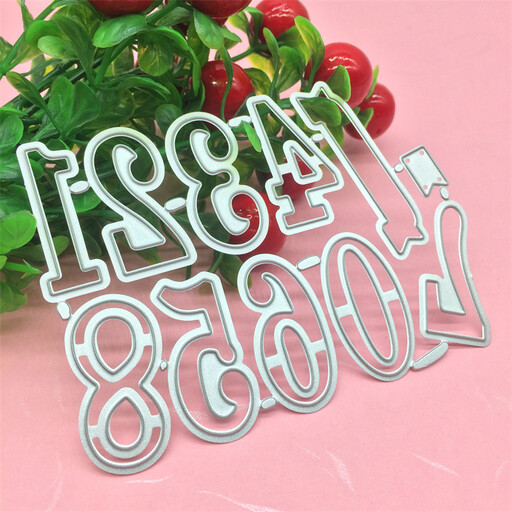
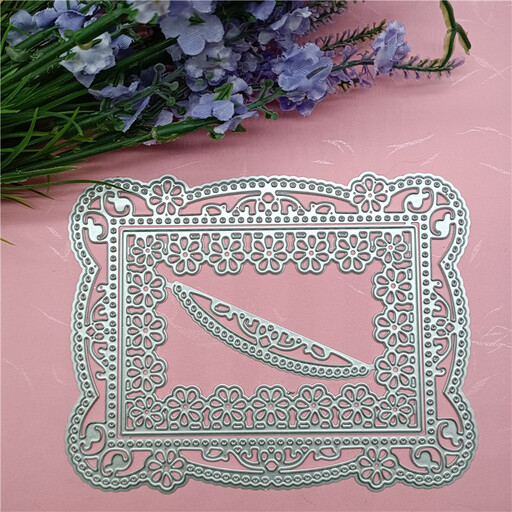
The right design can spark inspiration for your next dozen projects. If the recommendations above aren't quite what you need, there is a whole world of shapes and patterns to discover. For a wider selection of creative tools, explore our full range of embossed stationery to find the perfect addition to your craft supplies.
Cutting dies, also known as metal die cuts, are sharp metal templates used in a die-cutting machine to cut precise shapes from materials like paper and cardstock. In contrast, embossing stencils (often plastic folders) are used to press a raised, textured pattern into the paper without cutting through it. While their functions are different, some thin metal dies can be used for light embossing with the right machine setup.
The primary materials used with cutting dies are paper, cardstock, vellum and thin craft foam. The ability to cut through thicker materials depends heavily on the quality of the die and the pressure capacity of your die-cutting machine. It is always best to start with thinner materials and consult your machine's manual for guidance on different material types.
Most modern die cutting templates are manufactured to a standard thickness, making them compatible with the majority of personal die-cutting machines available in the UK from leading brands. The key is to use the correct "sandwich" of plates and shims as recommended by your machine's manufacturer to ensure you get a clean cut without damaging the die or the machine.