
24/7 Customer Support

Free returns

Same-day & Next-day Delivery

Quality Guaranteed

Unlock Your Welcome Offers: FREE Delivery | Up to 80% OFF | Free 30-day JoyPlus trial
Download the APP
Whether you are navigating winding country lanes or tackling technical singletrack, the right pair of cycling sunglasses is more than just an accessory. They are a critical piece of equipment. Glare from a wet road, dust from a dry trail or the constant buffeting of wind can turn a pleasant ride into a hazardous one. Choosing the right eyewear helps protect your vision and allows you to focus on your performance and the road ahead.
This guide is designed to help you understand the key features to look for in a quality pair of sports sunglasses. We will break down the technical jargon and provide some practical recommendations to help you find a pair that suits your cycling needs.
Selecting the perfect pair involves balancing protection, comfort and visual clarity. Here are a few key considerations to keep in mind during your search.
The most important feature of any sunglasses is the lens. For cyclists, two specifications are paramount: UV protection and glare reduction. All reputable UV400 sports sunglasses will block 100% of harmful UVA and UVB rays, a non-negotiable feature for protecting your eyes during long hours outdoors.
Beyond UV protection, consider whether you need polarised cycling glasses. Polarised lenses contain a special filter that blocks intense reflected light, significantly reducing glare from surfaces like wet roads, puddles and car bonnets. This can reduce eye strain and improve visibility in bright, sunny conditions. However, some riders prefer non-polarised lenses as they can make it easier to spot icy patches or oil slicks on the road.
When you are several hours into a ride, you do not want to be distracted by uncomfortable or slipping glasses. Modern frames are often made from materials like TR90, a thermoplastic that is incredibly durable, flexible and lightweight. These lightweight cycling glasses offer a secure fit without creating uncomfortable pressure points on your nose or temples.
A good fit is essential for both road cycling sunglasses and mountain bike glasses. For road cyclists, a close, aerodynamic fit helps reduce wind turbulence around the eyes. For mountain bikers, a secure grip with non-slip nose pads and temple tips is crucial to keep the glasses in place over rough and unpredictable terrain.
Stones, insects and trail debris can be kicked up at high speed, making impact resistant sunglasses a vital safety feature. Lenses made from polycarbonate are a popular choice as they are significantly more impact-resistant than standard plastic or glass lenses. This provides a crucial layer of protection for your eyes, whether you are on a busy road or a remote trail.
Based on features that matter to cyclists—protection, weight and fit—here are our recommendations.
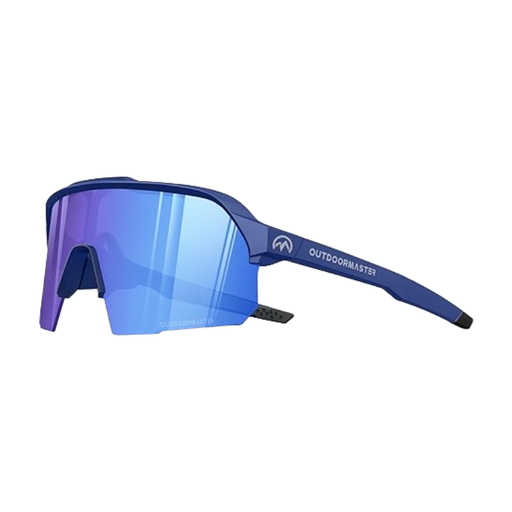

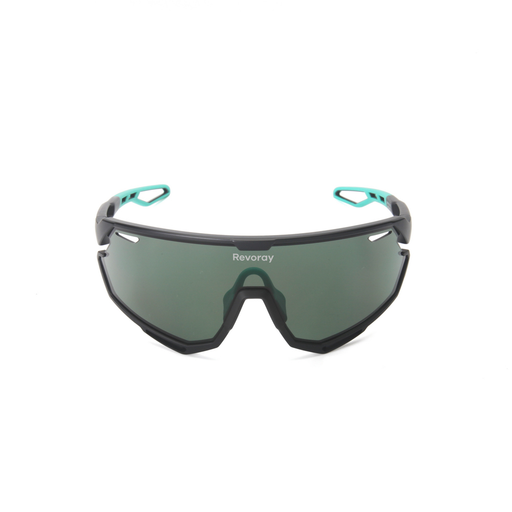
Our recommendations cover some excellent all-rounders for different types of riders, but the world of performance eyewear is vast. If you are looking for different lens colours, frame styles or specific features not highlighted here, you can explore a wider variety.
Browse our full collection of sunglasses and lenses to find the perfect match for your needs.
For many cyclists, yes. Polarised lenses are excellent for reducing glare from wet roads and other reflective surfaces, which can enhance comfort and reduce eye fatigue. However, some riders, particularly those who need to spot subtle changes in road texture like ice or oil, may prefer non-polarised lenses. It often comes down to personal preference and typical riding conditions.
UV400 protection means the lenses are engineered to block 99% to 100% of ultraviolet light, including both UVA and UVB rays with wavelengths up to 400 nanometres. This is the highest level of protection available for sunglasses and is considered essential for protecting your eyes from sun damage during outdoor activities.
While there is a lot of overlap, there are some general differences. Road cycling sunglasses often prioritise a lightweight, aerodynamic design to minimise wind resistance. Mountain bike glasses tend to focus more on robust durability, a very secure fit to handle bumps and often have a larger lens for wider coverage against trail debris like mud and branches.