
24/7 Customer Support

Free returns

Same-day & Next-day Delivery

Quality Guaranteed

Unlock Your Welcome Offers: FREE Delivery | Up to 80% OFF | Free 30-day JoyPlus trial
Download the APP
Navigating the world of skincare can feel like a full-time job, especially when you are trying to address concerns like hyperpigmentation. Whether it is the lingering reminder of a past breakout, sun spots from a surprisingly sunny British summer or just a general uneven skin tone, finding an effective solution is a common goal. However, the market is saturated with products making bold claims, making it easy to spend money on a face cream for dark spots that ultimately disappoints.
As a Joybuy Product Recommendation Officer, my role is to help you see past the marketing clutter. Before you add another jar to your basket, let’s look at the common pitfalls that lead to wasted money and frustration, and what you should really be looking for.
Many of us have been drawn in by a promising-looking pot, only to find it ineffective. This often happens by falling into one of these frequent traps:
To make an informed choice, focus on the formulation rather than the marketing. Here are the non-negotiable factors to analyse.
A good dark spot correcting cream rarely relies on a single ingredient. Look for a thoughtful combination that works on different pathways to brighten the skin.
The texture of your cream is just as important as its ingredients. A product should feel comfortable and support your skin's needs throughout the day.
Instead of a generic list, we have matched some standout products to specific user needs. This way, you can find a formula that truly works for you.
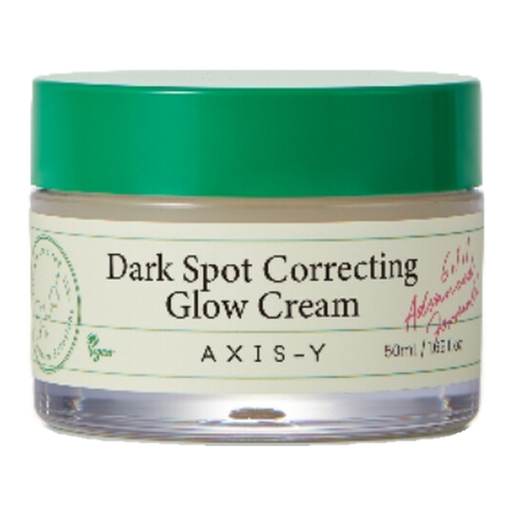
Why This Fits Their Persona: This user wants a trendy yet effective korean brightening cream that won't irritate their reactive skin. This Axis-Y glow cream is a cult favourite for a reason: it delivers visible brightening while actively soothing the skin, making it a reliable choice for those prone to redness or sensitivity.
It avoids the "one-size-fits-all" trap by pairing potent actives (5% Niacinamide, 2% Alpha-Arbutin) with a host of calming botanicals like Centella Asiatica and Heartleaf, plus barrier-fortifying Ceramide NP.
The unique gel-to-water texture provides refreshing hydration without stickiness, making it suitable for daily use on all skin types, especially combination and sensitive.
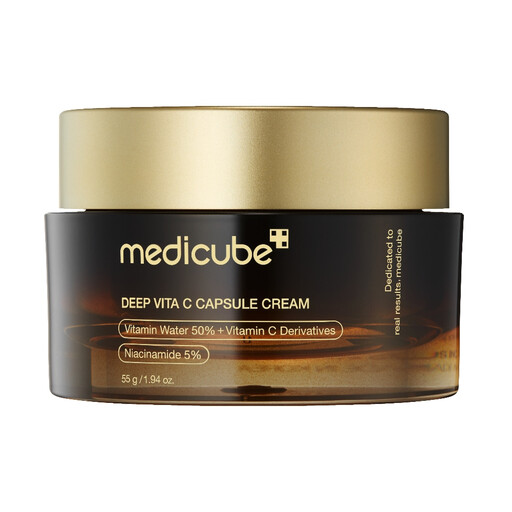
Why This Fits Their Persona: This user invests in high-performance skincare and is concerned with ingredient stability and potency. They want a product that feels luxurious and delivers a noticeable improvement in radiance and evenness.
It directly counters the "miracle ingredient" trap. The innovative capsule design protects the Vitamin C from oxidation, ensuring it remains fresh and potent until the moment of application, avoiding the issue of product degradation.
The formula is customisable; you can mix the gel and vitamin capsules to create a texture that suits your skin's needs. It uses a blend of stable Vitamin C derivatives to minimise irritation.
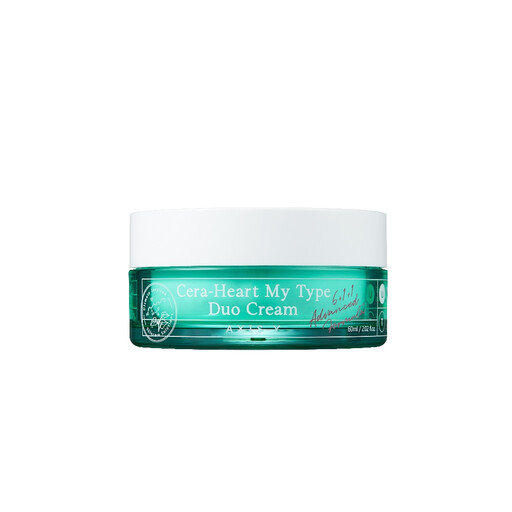
Why This Fits Their Persona: This user struggles with the classic combination skin dilemma: an oily, pore-prone T-zone and dry, tight cheeks. They need a practical, targeted solution that doesn't require buying two separate products.
This product is the antithesis of the "one-size-fits-all" approach. It provides two distinct formulas in one jar—a lightweight gel for the oily T-zone and a rich cream for the dry U-zone—for truly customised care.
It offers unparalleled customisation. The T-Zone cream controls oil with Heartleaf, while the U-Zone cream nourishes with Ceramide NP. This helps balance the skin, reducing breakouts and subsequent post-inflammatory marks.
We have compiled a complete, real-time list of products that fully satisfy these strict selection criteria and UK safety regulations.
Patience and consistency are crucial. The skin's natural turnover cycle is about 4 to 6 weeks, so you should not expect to see significant changes before then. For most people, noticeable improvements in hyperpigmentation can take anywhere from 8 to 12 weeks of consistent daily use.
Most dark spot correcting creams are formulated as daily moisturisers and are safe for twice-daily use. However, if your chosen product is particularly potent or your skin is sensitive, it is wise to introduce it gradually—perhaps every other night at first. Most importantly, always apply a broad-spectrum sunscreen with at least SPF 30 every morning. Brightening ingredients can make your skin more susceptible to sun damage, which would undo all your hard work.
Traditionally, serums are lightweight, highly concentrated treatments designed to be applied after cleansing and before moisturising to tackle a specific concern. A cream's primary role is to hydrate and form a protective barrier. A dark spot correcting cream often combines these roles, delivering active ingredients alongside moisturising and barrier-supporting components. It can be a great way to streamline your routine without sacrificing efficacy.